
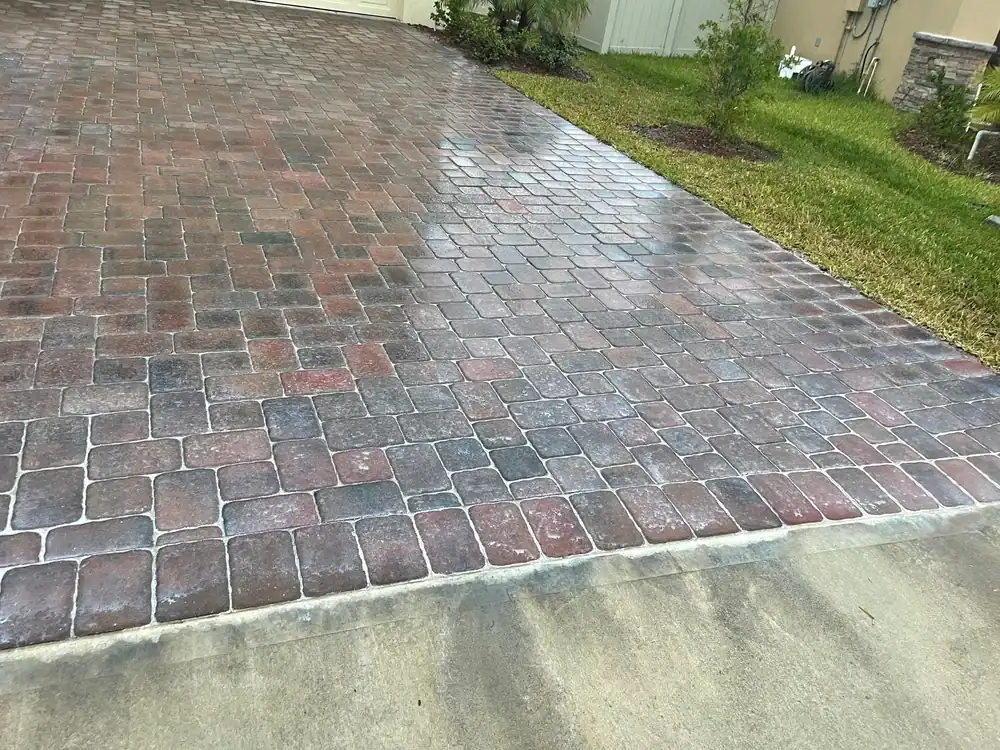
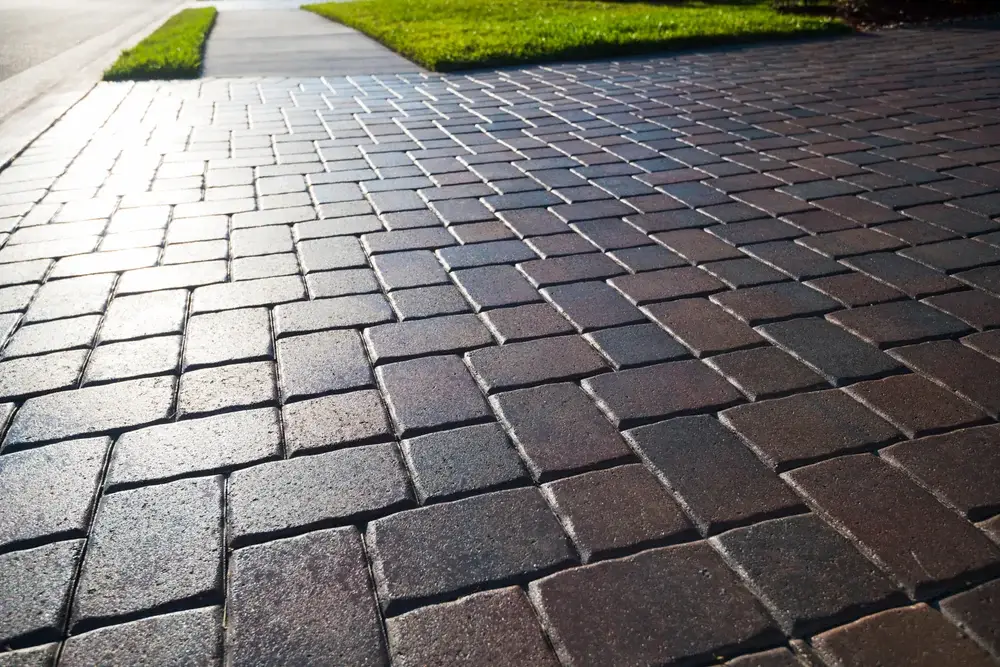
Your pavers take a beating in Silver Springs. Between the relentless UV exposure, afternoon storms that roll through like clockwork, and humidity that never seems to quit, unsealed pavers fade fast. You’ve probably noticed the color washing out, weeds popping up between joints, or stains that won’t budge no matter how much you scrub.
Sealing changes that. A proper seal blocks UV rays before they bleach your pavers, repels water instead of letting it seep in and cause shifting, and locks joint sand in place so weeds can’t take root. Stains from oil, rust, or organic matter sit on the surface instead of soaking in, which means cleanup takes minutes instead of hours.
You also get structural benefits you can’t see but definitely feel. Sealed pavers stay level longer because the sand stays put. They don’t shift as much during heavy rain. And when you hose them down or pressure wash, dirt lifts right off instead of grinding into the pores.
The result is outdoor space that looks newer, longer, with way less effort on your end. That’s what sealing is supposed to do when it’s done right.
We’ve been serving Silver Springs and Citrus County since 1995. We’re a family-owned company, state-licensed, and we’re authorized contractors for Tremron, Flagstone, and Belgard. That means we know these pavers inside and out because we install them, maintain them, and seal them.
We’re also the exclusive Seal ‘n Lock distributor in Citrus County. We don’t use whatever’s cheapest or fastest. We use products designed specifically for Florida’s climate, applied by crews who’ve been doing this for decades.
You’re not getting a fly-by-night outfit or a guy with a sprayer who watched a YouTube video. You’re getting a local team that’s still here because we do the work right the first time. That’s how we’ve stayed in business for nearly 30 years in the same community.
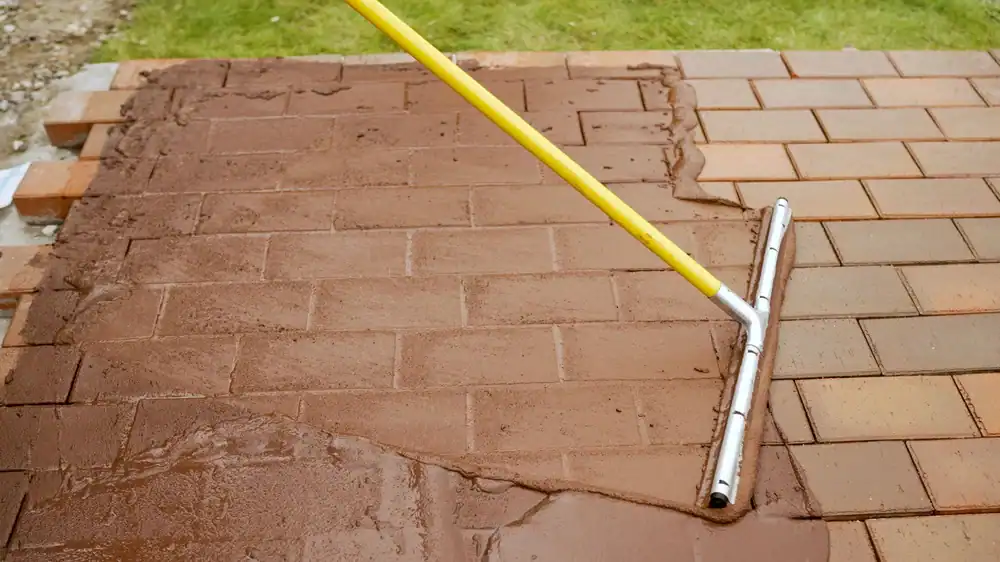
First, we clean the surface. That means pressure washing to remove dirt, algae, mildew, old sealer residue, and anything else sitting on or in the pavers. If there are stains, we treat them. If there’s efflorescence (that white haze), we address it. The pavers need to be completely clean and dry before sealer touches them, or the job fails.
Next, we check the joint sand. If it’s low or washed out, we refill and compact it. This step matters because sealer locks that sand in place. If the sand isn’t there or isn’t level, you lose the structural benefit and invite weeds back in.
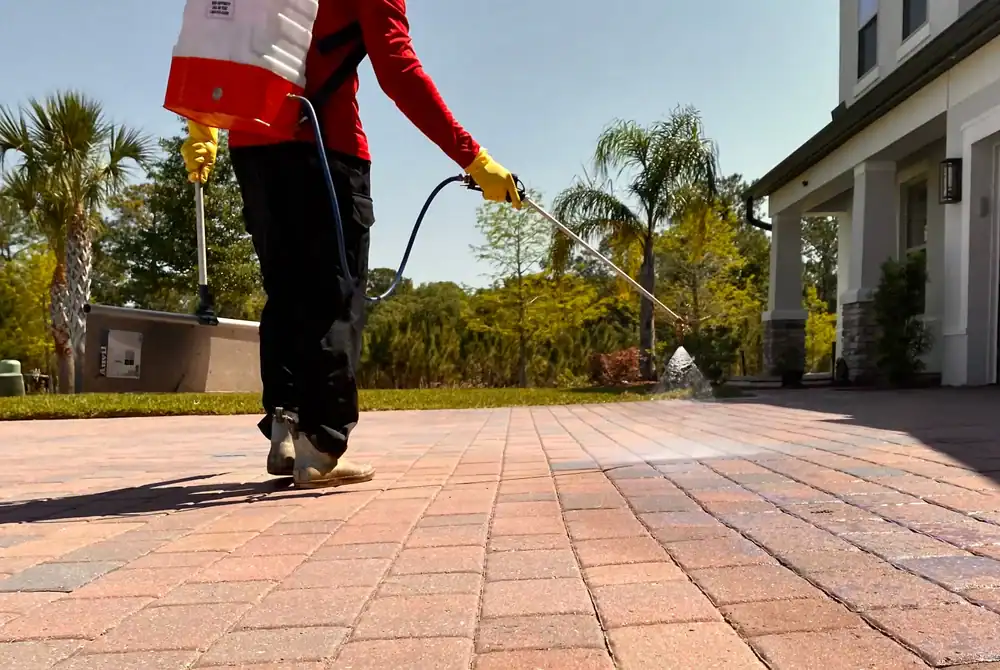
Then we apply the sealer. We use the right product for your specific paver type and finish preference, whether that’s a natural matte look or a wet, glossy finish. We apply it evenly, in the right conditions, and let it cure properly. Rushing this step or sealing in the wrong weather ruins everything.
Once cured, your pavers are protected. You’ll see the color come back, water bead up instead of soak in, and a surface that’s easier to keep clean. We recommend resealing every three to five years depending on exposure and wear, but you’ll know when it’s time because the water stops beading and the color starts to dull again.
Ready to get started?
We handle driveways, walkways, patios, pool decks, and any other paver surface on your property. Each one gets the same process: thorough cleaning, joint sand inspection and refill if needed, stain treatment, and professional-grade sealer application.
In Silver Springs, we see a lot of travertine, brick pavers, and interlocking concrete pavers. Each material responds differently to sealers, and Florida’s climate makes product selection critical. Too much gloss traps moisture. The wrong base lets UV break it down in months. We match the sealer to your pavers and your goals, whether that’s maximum protection, a specific look, or both.
You also get crews who show up on time, communicate clearly, and clean up when they’re done. We don’t leave equipment sitting in your driveway for days or ghost you when the job’s finished. We’re local, we’re licensed, and we’ve been doing this long enough to know that how you treat people matters as much as how you seal pavers.
We also offer discounts for military members and first responders, because that’s just how we operate. You serve the community, we take care of you.
Most professionally sealed pavers in Silver Springs last three to five years before they need resealing. That range depends on a few factors: how much sun exposure the pavers get, how much foot or vehicle traffic they see, and whether they’re around a pool where they’re constantly wet.
Driveways tend to wear faster because of tire friction and oil drips. Pool decks take a beating from chlorine, sunscreen, and constant moisture. Walkways in shaded areas can last longer because they’re not getting blasted by UV all day.
You’ll know it’s time to reseal when water stops beading on the surface and starts soaking in, or when the color looks faded and dull again. Those are signs the sealer is breaking down and your pavers are exposed. Waiting too long means you’re back to dealing with stains, weeds, and potential damage, so it’s better to stay ahead of it.
Matte sealers give a natural, low-sheen look that enhances the color without making pavers look wet or shiny. Glossy sealers create that wet look with more shine and deeper color saturation. It’s mostly a preference thing, but there are practical differences too.
Glossy finishes tend to show wear patterns and scuffs more visibly, especially in high-traffic areas. They can also get slippery when wet, which is something to consider around pools. Matte finishes hide wear better and offer more traction, but they don’t pop the color as much.
In Silver Springs, we see a pretty even split. Some homeowners love the dramatic look of a glossy finish on a patio or walkway. Others want their pavers protected but prefer the understated matte look. Both options protect equally well when applied correctly, so it really comes down to what you want your outdoor space to look like.
Yes, and honestly, those are some of the most satisfying jobs we do. Pavers that have never been sealed usually have years of dirt, stains, and fading built up. Once we clean and seal them, the transformation is dramatic.
The process is the same: deep clean, treat any stains or efflorescence, refill joint sand if needed, then seal. The difference is we’re often dealing with more embedded grime and weathering, so the cleaning phase takes longer. But once that’s done and the sealer goes on, you’re looking at pavers that look closer to how they did when they were first installed.
If your pavers are older and have never been sealed, don’t assume it’s too late. As long as they’re structurally sound and not cracked or crumbling, sealing them will protect what’s left and give you several more years of life. It’s a lot cheaper than replacement and makes a bigger visual difference than most people expect.
That white haze is called sealer delamination, and it happens when moisture gets trapped under the sealer. It’s one of the most common paver sealing failures in Florida, and it’s almost always caused by sealing too soon after cleaning or using the wrong product.
Pavers are porous. If they’re still damp when sealer is applied, that moisture has nowhere to go. It gets trapped, and as it tries to escape, it pushes the sealer up and creates that cloudy, milky look. In Florida’s high humidity, pavers can take longer to dry than you’d think, especially if they’re in a shaded area or the ground underneath has a high water table.
The fix is to let pavers dry completely before sealing, sometimes 24 to 48 hours depending on conditions. We also use sealers designed to handle Florida’s moisture levels. Cheap or incompatible products might work fine in Arizona, but here they fail fast. That’s why product selection and timing matter just as much as application technique.
Paver sealing in Silver Springs typically runs between $1.50 and $3.00 per square foot, depending on the condition of the pavers, the type of sealer, and the size of the area. Smaller jobs or surfaces that need heavy stain treatment or repairs cost more per square foot. Larger, straightforward jobs cost less.
If your pavers haven’t been cleaned in years, or if there’s old failing sealer that needs stripping, that adds time and cost. If the joint sand is mostly gone and needs full replacement, same thing. We give you a clear estimate upfront so there’s no confusion about what you’re paying for.
What you’re really paying for is the difference between a sealer job that lasts and one that fails in six months. We’ve seen plenty of homeowners try to save money with a cheap company or a DIY kit, only to end up paying us to strip it and redo it correctly. Doing it right the first time costs more upfront, but it’s cheaper in the long run and you actually get the protection and look you’re paying for.
Yes. Pool decks and driveways are two of the most common surfaces we seal in Silver Springs, and both come with their own challenges. Pool decks deal with constant water exposure, pool chemicals, sunscreen, and foot traffic. Driveways handle vehicle weight, tire marks, oil stains, and sun exposure.
For pool decks, we use sealers that resist chlorine and won’t get slippery when wet. Traction matters around water, so we avoid high-gloss finishes unless the homeowner specifically wants that look and understands the trade-off. We also make sure the sealer can handle the moisture load, because pool decks are wet more often than not.
For driveways, we focus on stain resistance and durability. Oil, transmission fluid, and tire rubber are tough on sealers, so we use products that create a strong barrier and make cleanup easier. We also pay close attention to joint sand stability, because driveways shift more than patios if the sand isn’t locked in properly. Both surfaces benefit from sealing, but the approach and product choice are tailored to what each one has to deal with.
Useful Links
Other Services we provide in Silver Springs