
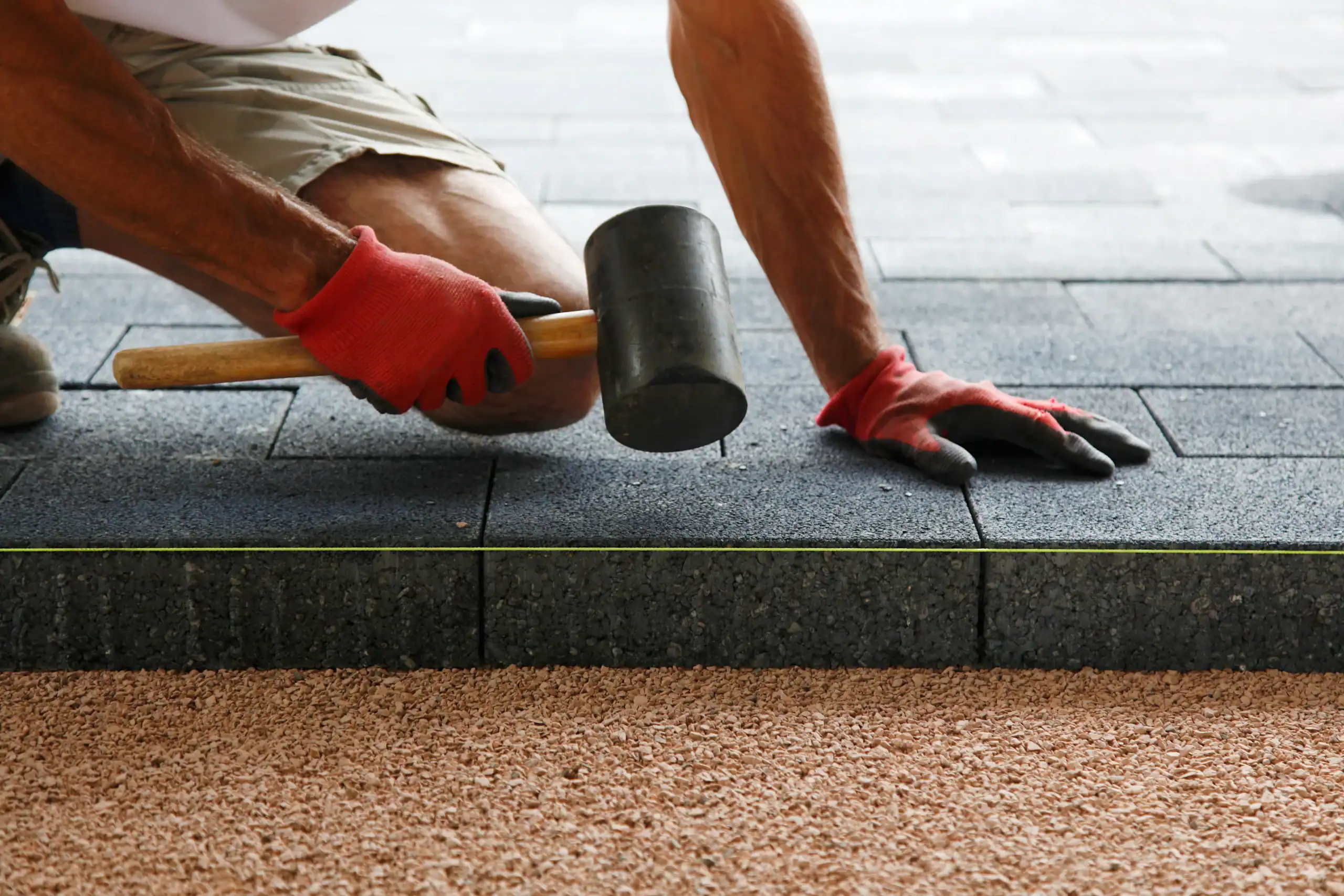
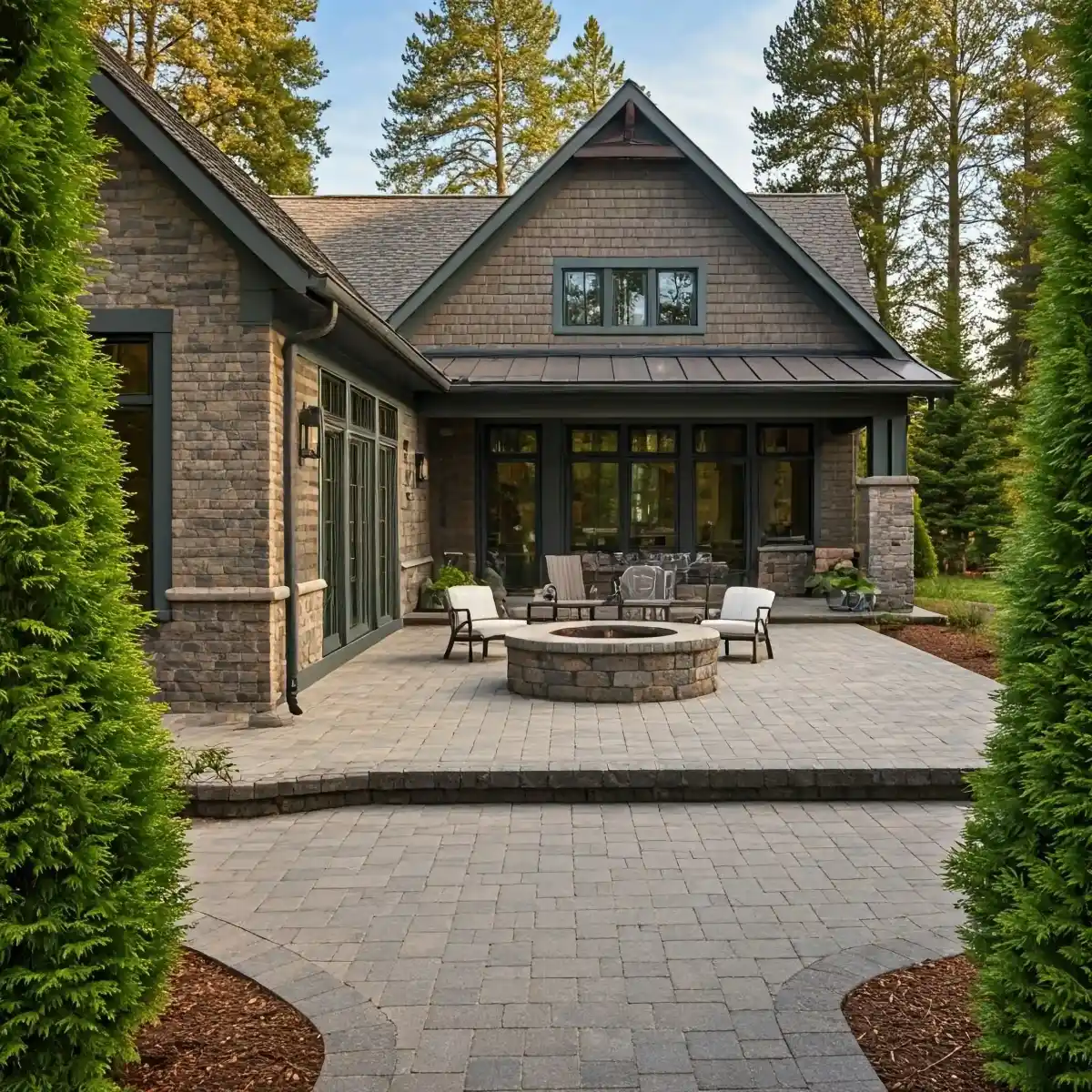
You stop worrying about cracks every time the temperature shifts. Florida’s sandy soil and humidity destroy concrete driveways—it’s not a matter of if, but when. Pavers handle up to 8,000 PSI while concrete maxes out at 4,000. That’s double the strength under the same Florida sun, rain, and heat.
Your driveway becomes something you’re actually proud to pull into. No more avoiding eye contact with neighbors because of that spiderweb of cracks spreading across your entrance. Pavers give you clean lines, custom patterns, and colors that make your home look intentional.
If something does go wrong years down the road, you replace one paver. Not the whole driveway. No jackhammering. No weeks of construction. You’re looking at 50 years of life expectancy with proper care, compared to 20-25 for concrete. And when it’s time to sell? Expect around 69% return on your investment.
We’ve been operating in Citrus County since 1995. That’s 29 years of Florida driveways, Florida weather, and Florida homeowners who need work done right. We’re not a franchise or a crew that shows up from three counties over.
We’re Authorized Contractors for Tremron, Flagstone, and Belgard—the top paver manufacturers in the state. We’re also the only Seal ‘n Lock distributor in the county, which means we control quality from material selection to final sealing. Our crews are state-licensed, and we’ve built our reputation on doing the job correctly the first time, not coming back to fix shortcuts.
You’ll talk to the same people from estimate to installation. No handoffs, no confusion. Just clear communication and work that reflects nearly three decades of experience in this exact market.
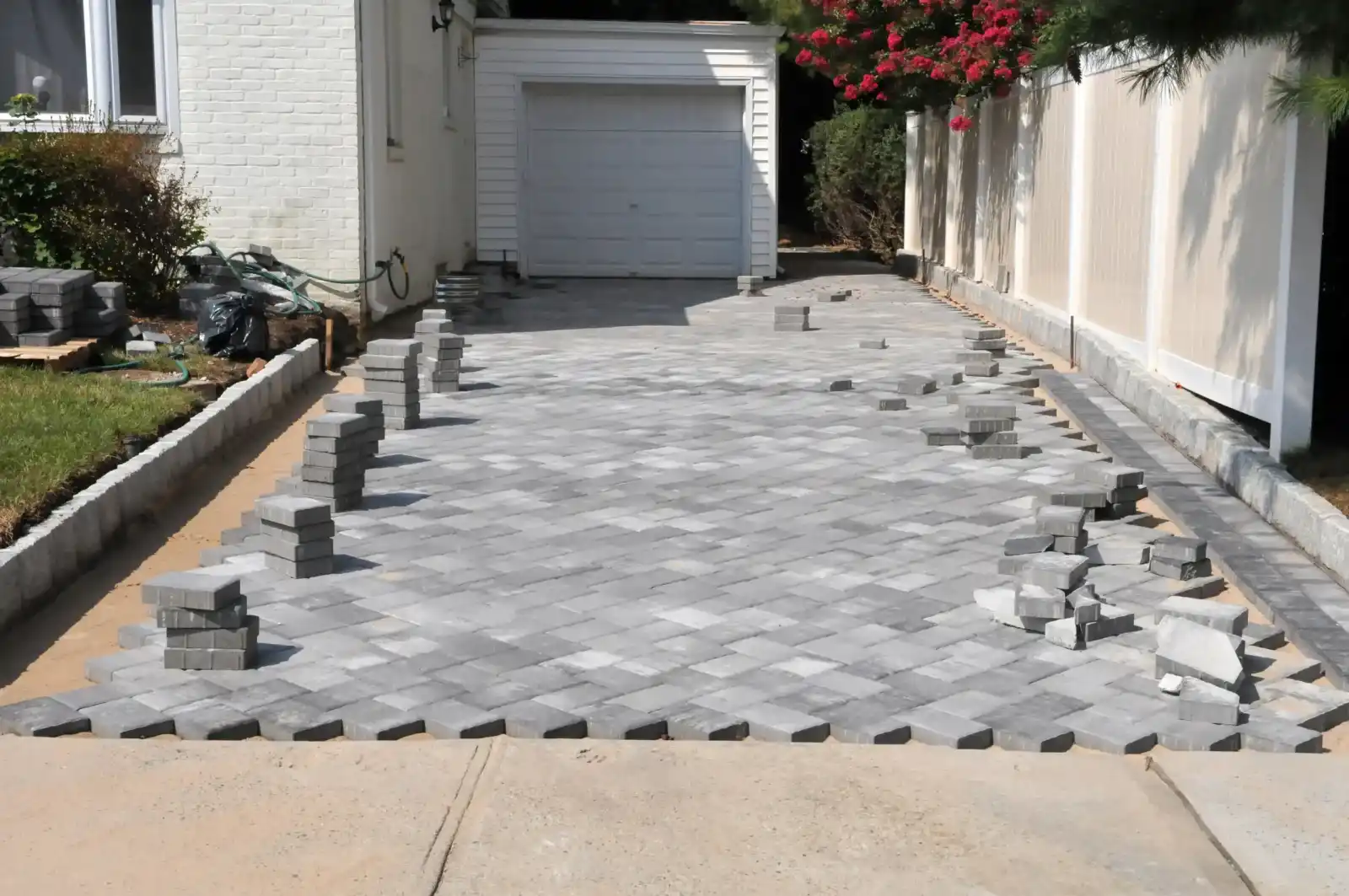
First, we come out and assess your current driveway. We’re looking at drainage, soil conditions, and how the existing surface is failing. You’ll get a clear estimate with no surprises buried in fine print.
Once you approve, we remove the old concrete or asphalt and prepare the base. This is where most contractors cut corners—we don’t. Proper compaction and grading prevent settling and ensure water drains away from your home, which matters in Florida where storms dump inches in hours.
Then we lay the pavers in your chosen pattern and color. Every edge gets locked in. Every joint gets filled. Once the surface is set, we apply a commercial-grade sealant that protects against UV damage, stains, and moisture. You’re left with a driveway that’s ready to handle daily use immediately and built to last decades.
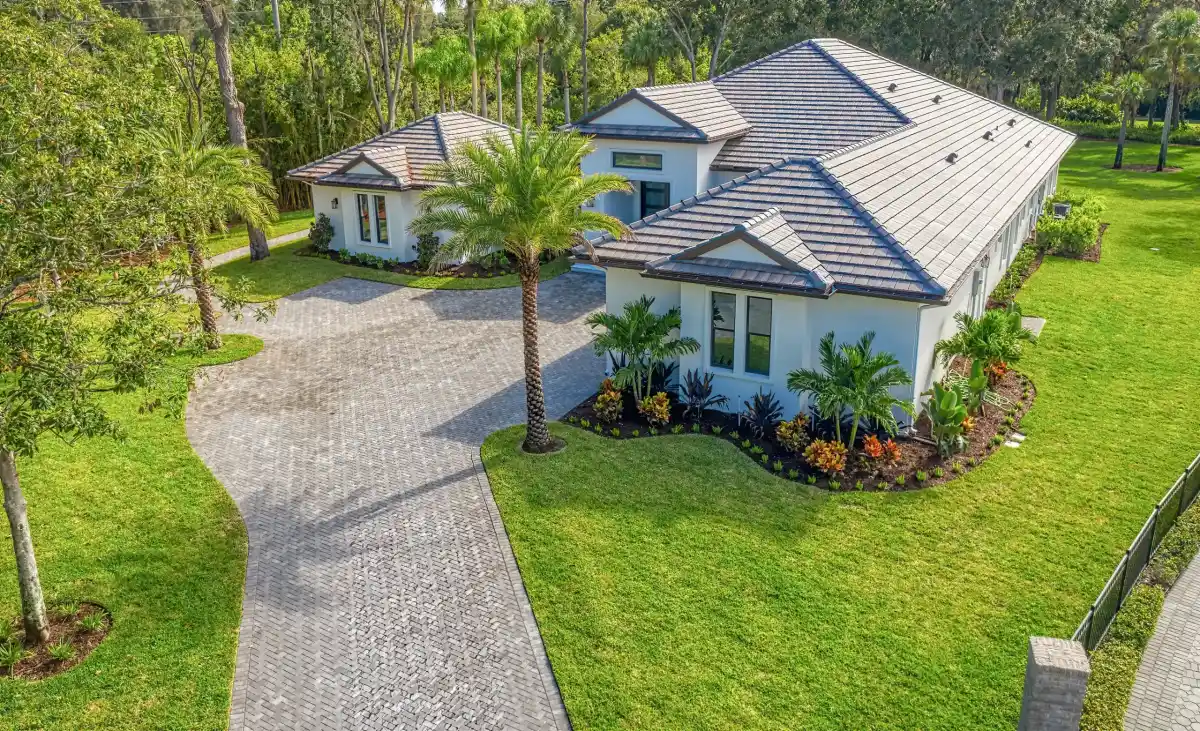
Ready to get started?
You get full removal of your existing driveway surface—we haul it away, you don’t deal with debris. The base gets engineered for Florida’s soil conditions, which are nothing like what you’d find up north. Compaction, drainage slope, and material depth all get calculated for long-term stability.
Paver selection comes from Tremron, Flagstone, or Belgard. These aren’t big-box store pavers. They’re manufactured to handle high heat, salt air if you’re near the coast, and the kind of humidity that makes cheaper materials break down in five years. You’ll choose from patterns and colors that match your home’s style, whether that’s classic cobblestone or modern linear layouts.
Garden Grove homeowners are upgrading to pavers because concrete doesn’t hold up here. The return on investment is real—around 69% when you sell. But more immediately, you stop dealing with trip hazards, alignment issues when you pull in and out, and the embarrassment of a driveway that looks like it’s been through a war. We also offer discounts for military members and first responders, because that’s who we are as a company.
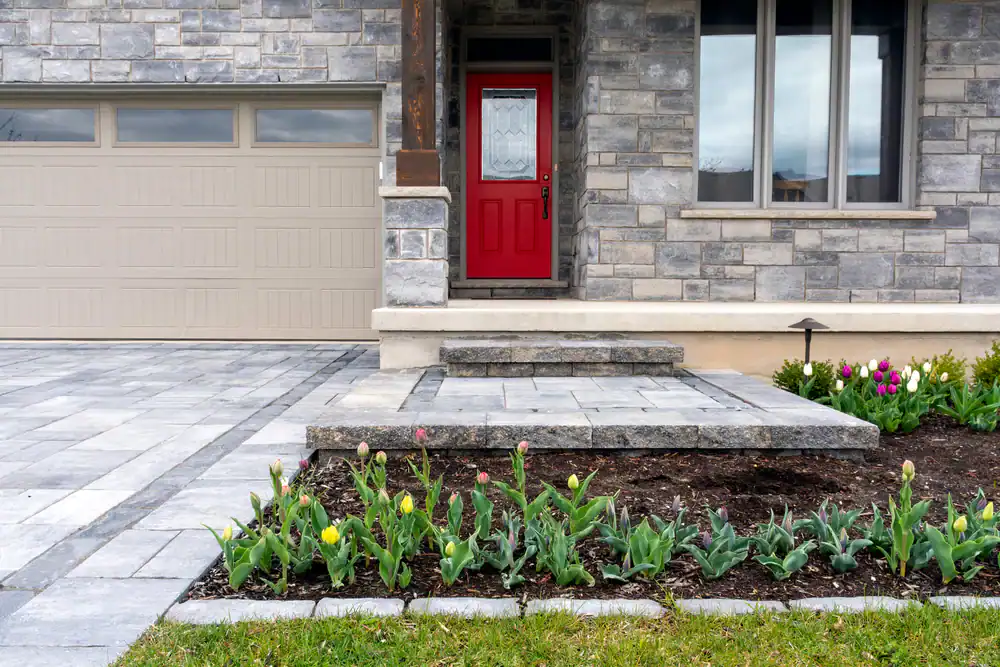
Most driveway paver installations in Florida run between $10 and $30 per square foot, but local pricing in Garden Grove tends to land closer to $7 per square foot depending on the paver type and site conditions. That’s significantly lower than national averages, and it includes removal, base prep, paver installation, and sealing.
The size of your driveway matters most. A standard two-car driveway runs around 400-600 square feet, so you’re looking at a range of $2,800 to $4,200 for quality work. If your driveway has curves, needs significant grading work, or you choose premium pavers, that number goes up.
What you’re really paying for is 50 years of durability versus 20 with concrete, no major repairs, and a 69% return on investment when you sell. Concrete might seem cheaper up front, but you’ll replace it twice in the time pavers are still going strong. Get a free estimate and we’ll give you an exact number based on your property.
Paver driveways last up to 50 years in Florida when installed correctly and maintained. Concrete driveways last 20-25 years at best before they need full replacement. The difference comes down to how each material handles heat, moisture, and ground movement.
Pavers are individual units, so when Florida’s sandy soil shifts or tree roots push up from below, the pavers adjust without cracking. Concrete is one solid slab—any movement creates cracks that spread and get worse every season. Pavers also handle thermal expansion better. When temperatures swing from 90 degrees during the day to 70 at night, pavers expand and contract in their joints. Concrete has nowhere to go, so it cracks.
You will need to reseal pavers every few years and occasionally replace joint sand, but that’s minor maintenance compared to resurfacing or replacing an entire concrete driveway. With proper care, your paver driveway will outlast you.
The best paver for your driveway depends on your home’s style and your budget, but Tremron, Belgard, and Flagstone pavers are all built to handle Florida’s weather. Right now, homeowners in Garden Grove are going with rich browns, cobblestone textures, and modern linear patterns that give a clean, contemporary look.
If you want classic curb appeal, cobblestone or tumbled pavers in earth tones work well with traditional homes. For modern builds, large-format pavers in grays or blues with tight joints give you that sleek, high-end look. Permeable pavers are also gaining traction because they let water drain through instead of running off, which helps during Florida’s heavy storms.
Avoid cheap pavers from big-box stores. They fade, crack, and don’t hold up to UV exposure or the freeze-thaw cycles we get in winter. Stick with manufacturer-backed pavers installed by an authorized contractor, and you’ll get a driveway that actually lasts and looks good doing it.
Yes, and that’s one of the biggest advantages pavers have over concrete. If a paver cracks or stains, you pull that one paver out and drop a new one in. You don’t need to replace the whole driveway or even a section. The repair takes minutes, not days.
With concrete, any crack means you’re either patching it temporarily or cutting out and replacing an entire section. Those patches never match, and they usually fail within a year or two. Then you’re looking at full driveway replacement, which means jackhammering, hauling, re-pouring, and waiting for it to cure.
Paver repairs are so simple that most homeowners can do them if they keep a few extra pavers on hand. But if you’d rather not deal with it, a quick service call gets it handled without tearing up your whole entrance. That kind of flexibility saves you thousands over the life of the driveway.
Yes. Paver driveways return an average of 69% of their installation cost when you sell your home, and they significantly boost curb appeal, which is the first thing buyers notice. A cracked concrete driveway signals deferred maintenance and gives buyers a reason to lowball your asking price.
Pavers signal quality. They show that you’ve invested in the property and taken care of it. Buyers see a paver driveway and assume the rest of the home is equally well-maintained. In a competitive market like Garden Grove, that perception matters.
Beyond resale value, you get to enjoy the upgrade while you live there. No more avoiding your driveway in photos or feeling embarrassed when guests pull up. It’s a quality-of-life improvement that pays you back financially when it’s time to move.
Maintenance is straightforward: sweep it regularly, rinse it off when it gets dirty, and reseal it every 2-3 years. That’s it. The sealant protects against UV damage, oil stains, and moisture infiltration, which are the main threats in Florida’s climate.
If weeds pop up between pavers, pull them or use a weed killer safe for pavers. If joint sand washes out during heavy rain, add polymeric sand to refill the gaps—it hardens when wet and stays in place better than regular sand. These are small tasks that take an hour or two once or twice a year.
The biggest mistake homeowners make is pressure washing pavers at too high a PSI, which can damage the surface or blast out joint sand. Stick to a garden hose or low-pressure wash, and you’ll be fine. Compared to concrete, which cracks no matter what you do, paver maintenance is minimal and actually prevents problems instead of just reacting to them.
Useful Links
Other Services we provide in Garden Grove