
You’re not just getting pavers laid down. You’re getting a surface that bears 8,000 pounds compared to concrete’s 3,000-pound limit—important when you’ve got multiple vehicles, boats, or equipment sitting in your driveway.
Your new driveway handles Florida’s 49 inches of annual rainfall without the stress fractures that destroy traditional concrete. Individual pavers flex with ground movement instead of fighting it. That means no cracks spreading across your driveway three years later.
And when Florida’s sun beats down day after day, properly sealed pavers don’t fade into that washed-out gray you see everywhere. The color stays. The surface stays level. If a paver ever needs replacing, you swap out that one piece—not the whole slab.
This is what happens when the base is prepped right, the materials are chosen for Florida’s climate, and the installation is done by people who’ve been doing this since 1995.
We’ve been installing driveway pavers in Hill ‘N Dale, FL and throughout Citrus County since 1995. That’s long enough to see which shortcuts fail and which methods actually hold up in Florida’s sandy soil and heavy rain.
We’re Authorized Contractors for Tremron, Flagstone, and Belgard—the manufacturers whose materials are engineered for this climate. We’re also the exclusive Seal ‘n Lock distributor in Citrus County, which means we’re using protection systems other contractors can’t access.
You’re working with a family-owned business that’s been here through hurricanes, housing booms, and everything in between. We’re not expanding into your area—we live here. Our kids go to school here. When we say we’re doing this right, it’s because we’ll see you at the grocery store next month.
First, we assess your property’s drainage, soil type, and how water moves across your driveway area. In Hill ‘N Dale, FL, that sandy soil and high water table mean base preparation isn’t optional—it’s everything.
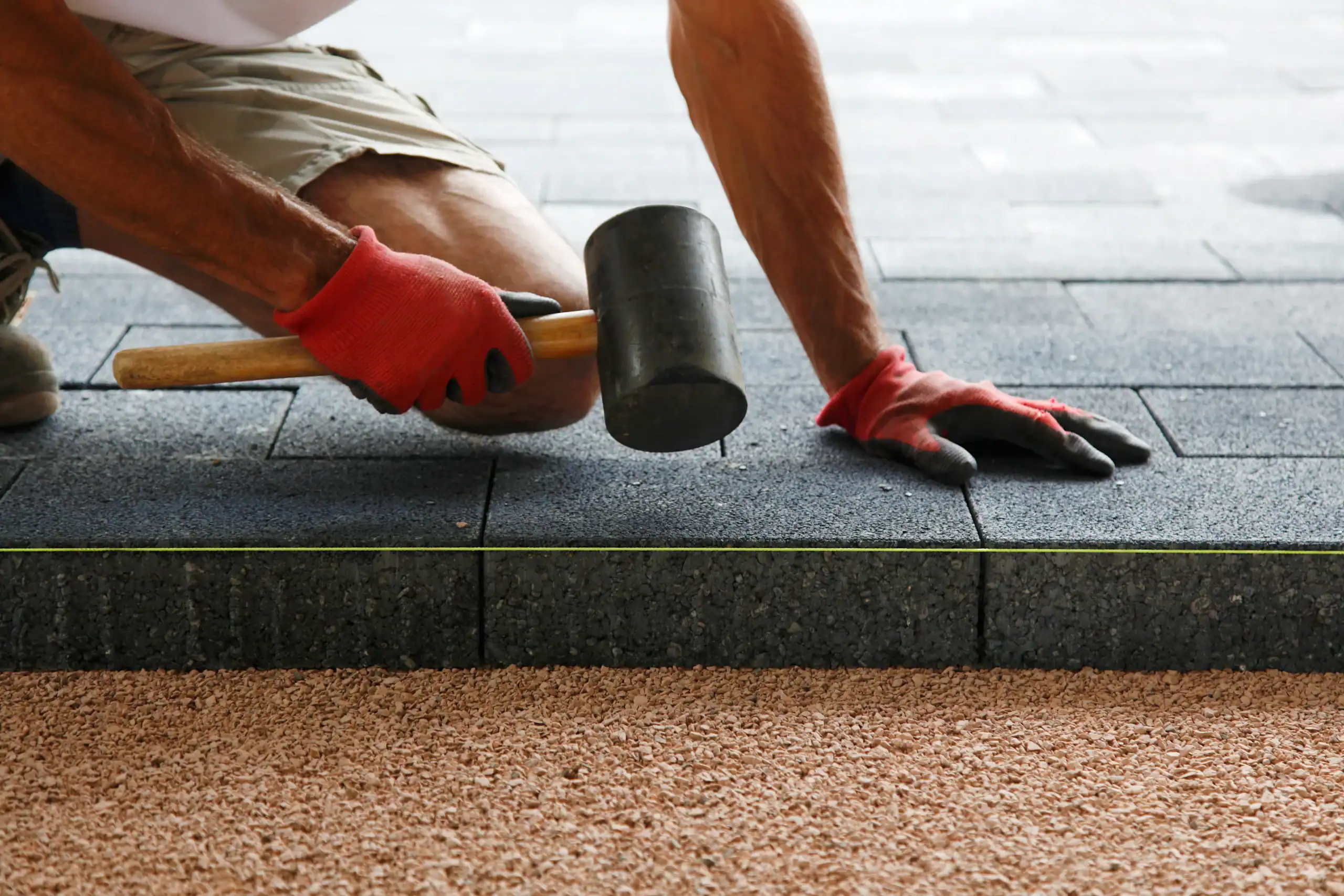
We excavate to the proper depth and install the right base material. For driveways, that’s typically road base II, compacted in layers. Most installers put down two or three inches. We lay down six inches for any surface that vehicles travel over—much thicker and more stable than the average job.
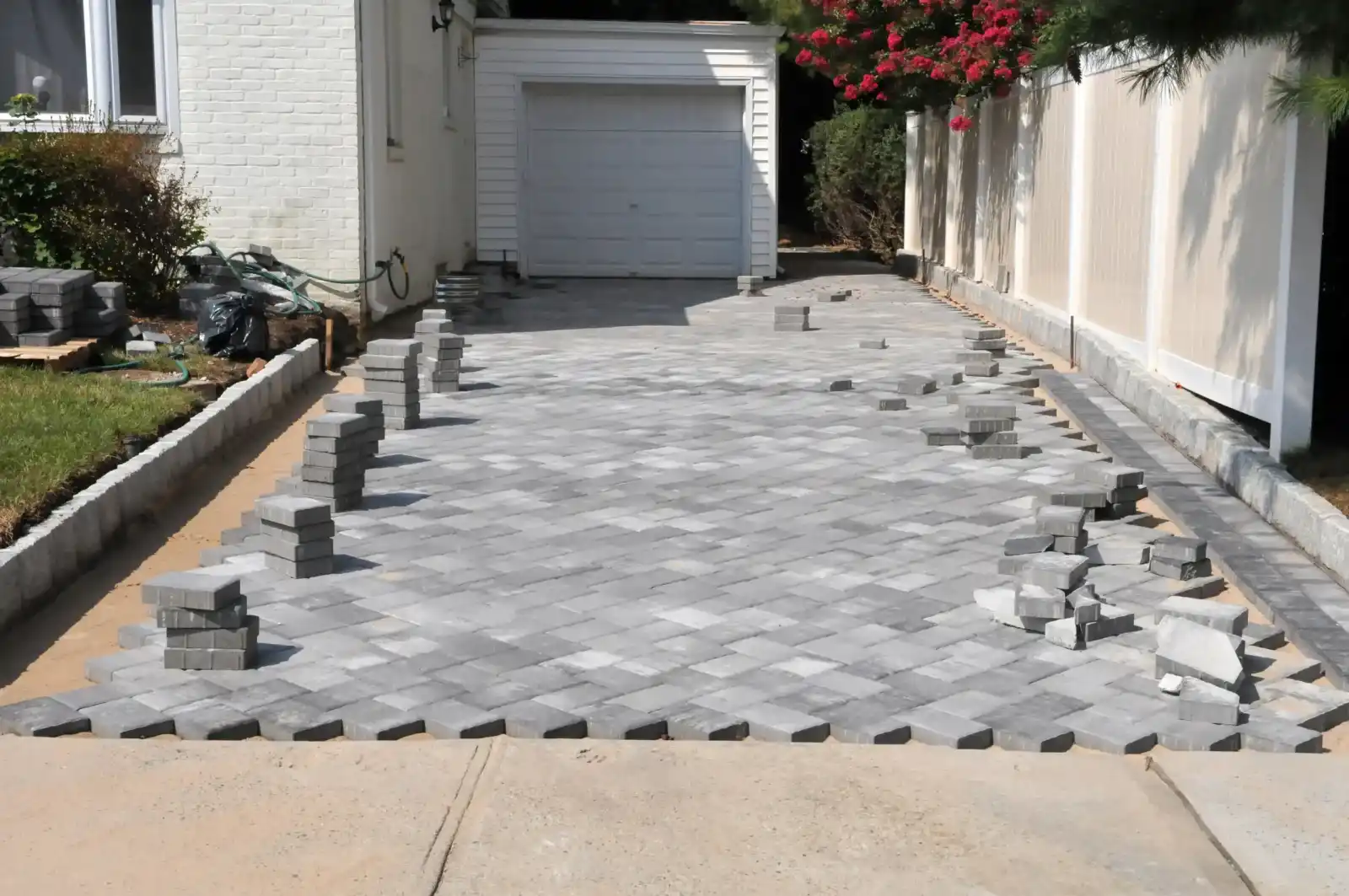
Then comes the paver installation itself. We account for proper slope, ensure joints are tight, and make sure downspouts aren’t emptying onto your pavers where water flow can loosen sand over time. Every edge is secured. Every transition is planned.
Finally, we apply polymeric sand between joints and seal the surface. That locks everything in place, protects against fading, and keeps weeds and ants from setting up shop between your pavers. The result is a driveway that looks sharp and stays that way.
Ready to get started?
You get a site assessment that accounts for Hill ‘N Dale, FL’s specific challenges—sandy soil, drainage patterns, and how your property handles Florida’s heavy rainfall. We’re not guessing. We’re looking at how water moves and where problems could show up five years from now.
You get premium materials from manufacturers we’re authorized to install: Tremron, Flagstone, and Belgard. These aren’t big-box pavers that fade in two summers. They’re engineered for Florida’s UV exposure and humidity.
You get a six-inch compacted base on driveway installations—twice as thick as most contractors use. That’s the difference between a driveway that settles and shifts versus one that stays level for decades.
And you get professional sealing with Seal ‘n Lock, which we’re the exclusive distributor for in Citrus County. It prevents fading, locks in joint sand, and protects against weathering. Your driveway doesn’t just look good on day one—it looks good on day 3,000.
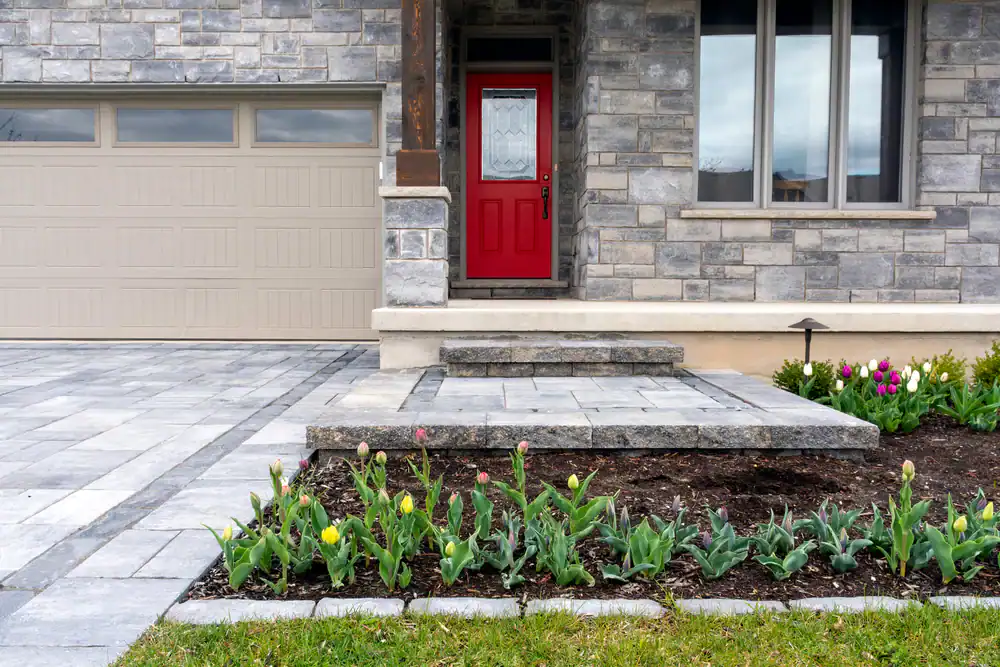
Properly installed driveway pavers in Hill ‘N Dale, FL typically last 25 to 30 years or more with minimal maintenance. The key is using materials designed for Florida’s humid subtropical climate and ensuring proper base preparation.
Pavers outlast concrete because they flex with ground movement instead of cracking under pressure. In Hill ‘N Dale’s sandy soil, that flexibility matters. Concrete fights the ground and loses. Pavers move with it.
The other factor is UV protection. Florida’s sun is brutal. Unsealed pavers fade within a few years. Properly sealed pavers maintain their color for decades. We use Seal ‘n Lock, which we’re the exclusive distributor for in Citrus County, specifically because it holds up better than standard sealers in Florida’s climate.
Paver failures in Central Florida are almost always caused by weak base preparation, poor drainage, or unplanned irrigation conflicts. In Hill ‘N Dale, FL, where you’ve got sandy soil and heavy rainfall, those issues show up fast.
If the base isn’t thick enough or properly compacted, the pavers settle unevenly. Water finds its way underneath, washes out the base material, and you get dips and shifting. Most installers use a two or three-inch base. We use six inches on driveways because we’ve seen what happens when you don’t.
The other common issue is water flow. If a downspout empties onto your pavers, that constant water flow loosens the joint sand and causes shifting. A good installer relocates downspouts or redirects drainage before it becomes a problem. We handle that during the site assessment, not after you’re already dealing with sunken pavers.
Driveway paver installation cost depends on the size of your driveway, the paver style you choose, and how much site prep is needed. In Hill ‘N Dale, FL, where soil conditions and drainage require proper base work, you’re looking at a real investment—not a quick fix.
Cheaper installations skip steps. They use thin bases, standard sand instead of polymeric sand, and they don’t seal the surface. You’ll pay less up front and more later when you’re dealing with settling, weeds, and faded pavers.
We price based on doing it right the first time: six-inch compacted base, premium materials from Tremron, Flagstone, or Belgard, polymeric joint sand, and professional sealing. That’s not the cheapest option. It’s the one that’s still looking sharp and staying level 20 years from now. If you want an accurate number for your property, we’ll come out and assess your site. No guessing, no pressure.
No. Driveway pavers don’t crack like concrete because they’re designed to flex with ground movement instead of fighting it. Concrete is rigid—it cracks when the ground shifts, which happens constantly in Hill ‘N Dale, FL’s sandy soil.
Each paver is an individual unit. When the ground moves, the pavers adjust without creating stress fractures. That’s why you don’t see the spiderweb cracks and broken slabs that show up in concrete driveways after a few years.
Florida’s heat does expand and contract materials, but pavers handle that thermal movement without issue. The joints between pavers allow for that expansion. Concrete has nowhere to go, so it cracks. If a paver ever does get damaged—say, from a heavy impact—you replace that one paver. With concrete, you’re cutting out and replacing entire sections.
Driveway paver maintenance is straightforward. You’re looking at occasional cleaning, resealing every few years, and keeping an eye on joint sand levels. That’s it.
For cleaning, a pressure washer handles most dirt and stains. Florida grows everything, so you might get some organic staining from leaves or algae. A pressure wash once or twice a year keeps your driveway looking fresh.
Resealing depends on traffic and sun exposure, but generally every three to five years. The sealer protects against UV fading, locks in joint sand, and makes cleaning easier. We use Seal ‘n Lock, which lasts longer than standard sealers in Florida’s climate.
If you notice joint sand washing out over time—usually from heavy rain or pressure washing—you can add more polymeric sand. Sweep it into the joints, mist it down, and it hardens in place. That keeps pavers locked together and prevents weeds from taking root.
Sometimes, yes—but only if the existing concrete is in good condition, properly sloped for drainage, and structurally sound. If your concrete is cracked, settling, or has drainage issues, installing pavers over it just transfers those problems to your new surface.
In Hill ‘N Dale, FL, where ground movement and drainage are constant challenges, we usually recommend removing the old concrete and starting with a proper base. That six-inch compacted base is what keeps your driveway level for decades. Skipping that step to save money up front almost always costs more later.
If your concrete is solid and draining well, we can install a thinner base and lay pavers over it. But we’re not doing that if it means your new driveway is going to settle or hold water. We’ll assess your existing surface and tell you honestly whether an overlay makes sense or whether you’re better off starting fresh.
Useful Links
Other Services we provide in Hill 'N Dale