
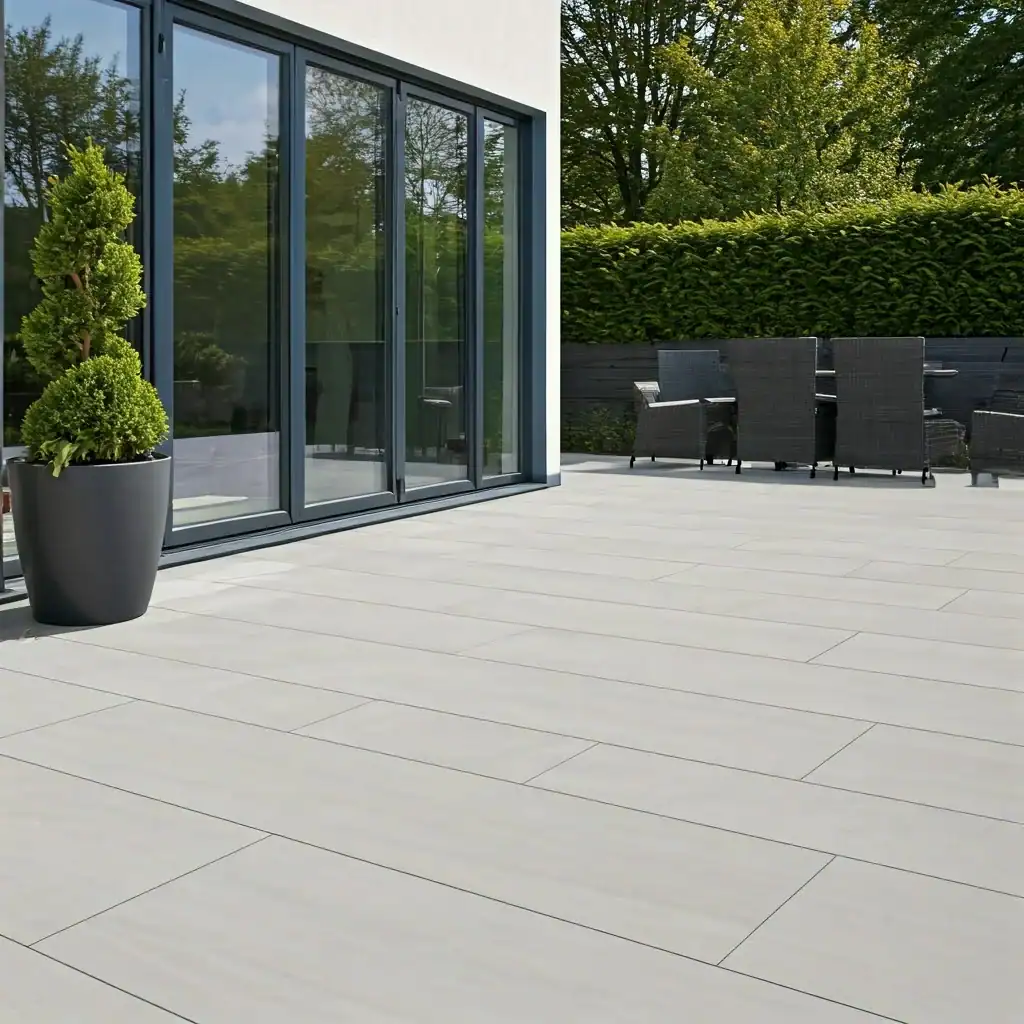
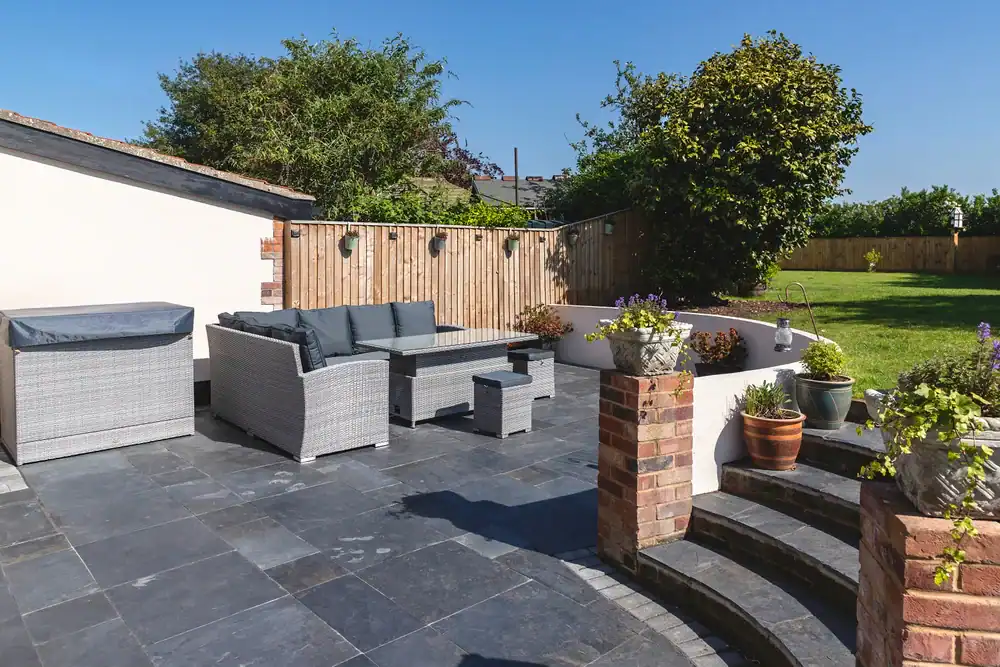
Your patio should expand your living space, not create new problems. When we install patio pavers correctly in Citrus Hills, you get a surface that drains properly during heavy rain, stays level through ground movement, and holds up to Florida’s UV exposure without fading or cracking.
You’re not dealing with weeds pushing through joints every few months. Water flows away from your foundation instead of pooling. The pavers stay put during storm season because we built the base thick enough to handle our sandy soil.
This is what happens when the installation matches the climate. You use the space instead of maintaining it. Friends come over and you’re not apologizing for uneven sections or explaining why certain areas look different. It just works the way you expected it to when you signed the contract.
Mainstreet Landscaping isn’t new to Citrus County. We’re the family-owned patio paver contractor in Citrus Hills, FL that’s been handling installations here for nearly 30 years. We know exactly how the sandy soil behaves, what drainage issues pop up in different neighborhoods, and which materials hold up best in this specific climate.
We’re Authorized Contractors for Tremron, Flagstone, and Belgard. That means factory training, access to warranties, and installation standards that meet manufacturer specs. We’re also the exclusive Seal ‘n Lock distributor in Citrus County, so your pavers get the protective treatment that keeps them looking new longer.
You’ll see our work throughout Citrus Hills. We’re not a crew passing through between bigger markets. We live here, our kids go to school here, and we’re active in the Chamber of Commerce. When you call five years from now with a question, we’ll still be here to answer it.
First, we assess your specific site. That means looking at how water currently drains, checking soil composition, and identifying any grade issues that’ll affect the finished surface. In Citrus Hills, this step matters more than most contractors realize because our sandy soil doesn’t behave like clay or loam.
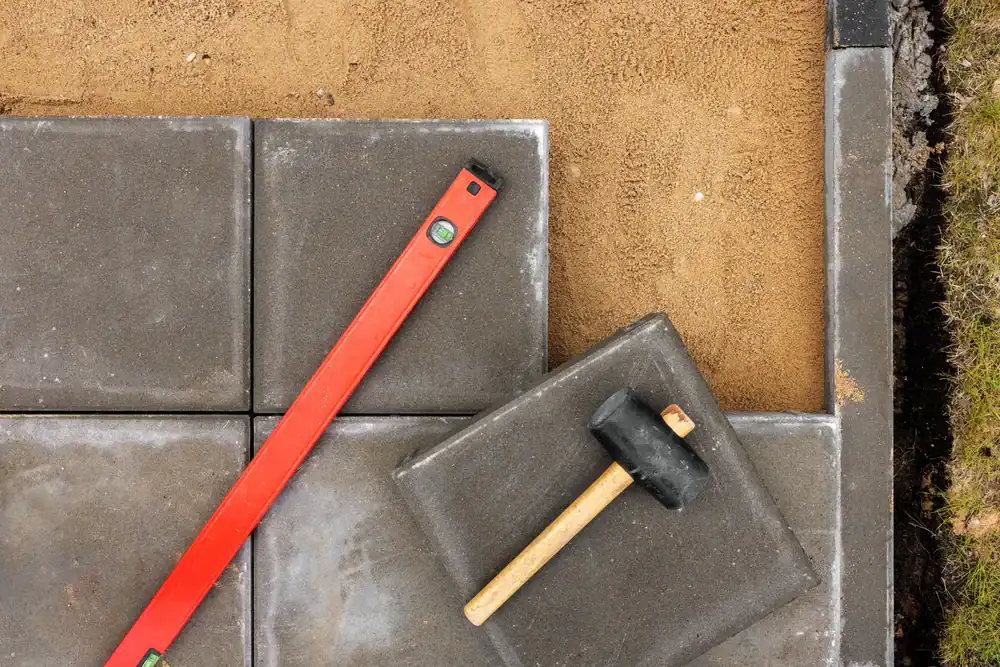
Next comes base preparation. We excavate to proper depth and install a six-inch compacted base for patios. That’s thicker than standard because Florida’s soil conditions demand it. We’re creating a stable foundation that won’t shift when the ground gets saturated during rainy season. Edge restraints go in using concrete molding, not plastic spikes that pull out of sandy soil.
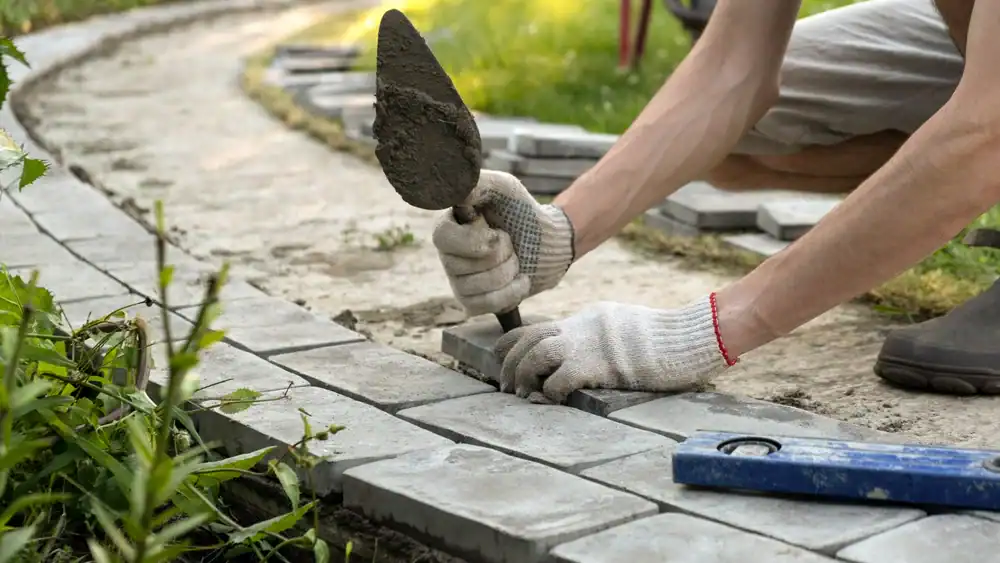
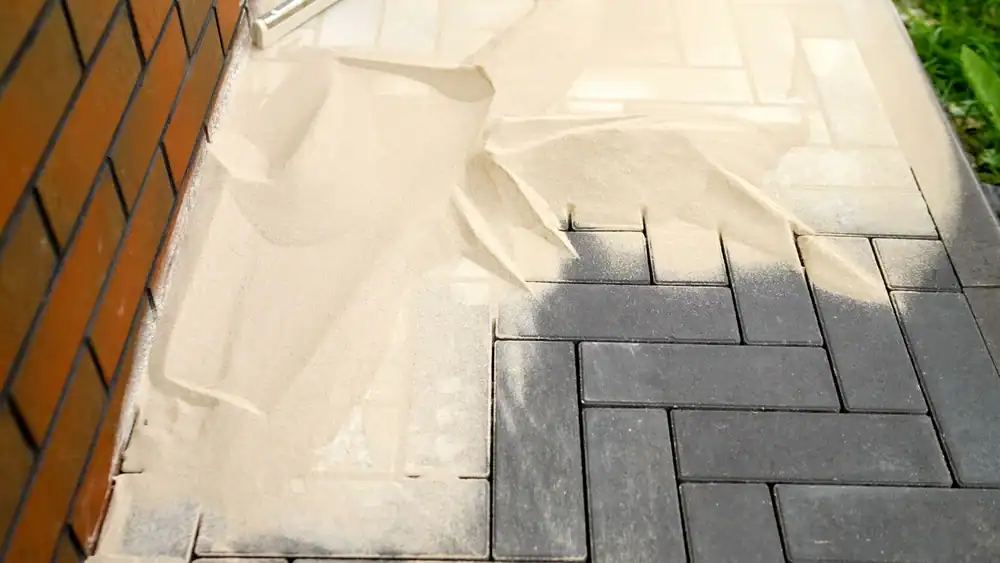
Then we lay the pavers with proper joint spacing and install polymeric sand that locks everything together. Final compaction ensures full contact between pavers and base. We slope everything correctly so water moves away from your home. The last step is applying Seal ‘n Lock protection, which guards against UV damage, staining, and weed growth between joints.
Ready to get started?
Every patio paver installation we do in Citrus Hills, FL starts with proper site preparation. You’re getting excavation to correct depth, a compacted base that meets manufacturer specifications, and edge restraints that actually hold in our soil conditions. We handle all the grading work to ensure water drains away from structures.
Material selection matters here. We work with Tremron, Flagstone, and Belgard pavers that are rated for Florida’s climate. You’ll see options like travertine that stays cool underfoot and slip-resistant porcelain that handles wet conditions. We’ll walk you through which materials make sense for your specific use case, whether that’s a high-traffic entertaining area or a quiet sitting space.
The installation includes polymeric sand application and professional-grade sealant. That’s not an upsell, it’s standard. In Citrus Hills, unsealed pavers fade faster and collect more organic staining from our humid climate. The Seal ‘n Lock treatment we apply protects your investment and cuts your maintenance time significantly. You’re also getting our knowledge of local conditions—we’ve seen what works and what fails in this specific area over 30 years of installations.
A properly installed paver patio in Citrus Hills should last 25 to 30 years, sometimes longer. The key phrase there is “properly installed.” Florida’s climate is tough on outdoor surfaces, but pavers handle it better than poured concrete because they flex with ground movement instead of cracking.
What kills paver patios early is poor base preparation. When contractors skip the thick base layer or don’t compact properly, you get settling within the first few years. In our sandy soil, that base needs to be at least six inches of compacted material. Anything less and you’re looking at repairs before the decade mark.
The other factor is UV protection. Florida sun will fade unsealed pavers within 3-5 years. A quality sealant reapplication every few years keeps the color intact and prevents organic staining from our humid climate. With proper installation and basic maintenance, your patio should outlast most other outdoor improvements you’ll make.
Three things stop pavers from moving: a thick compacted base, proper edge restraints, and polymeric sand between joints. All three have to be done right or you’ll see shifting within a couple years.
The base is your foundation. In Citrus County, we’re dealing with sandy soil that doesn’t provide natural stability. A six-inch layer of compacted aggregate creates the solid platform pavers need. Skimping here is the number one reason patios fail. We compact in lifts, not all at once, because that’s what actually creates density.
Edge restraints keep the perimeter from spreading outward. Plastic edging with spikes doesn’t work in our soil—the spikes pull out. We use concrete molding that creates a permanent border. Then polymeric sand locks the pavers together at the joints. When it gets wet during installation, it hardens and prevents individual pavers from shifting independently. That’s what keeps your patio looking the same five years later.
Drainage is built into the installation from the start. We slope the patio surface at minimum 2% grade away from your home. That means for every 10 feet of patio, the surface drops about 2.5 inches. You won’t notice it when you’re standing there, but water definitely notices it when it rains.
The base layer also plays a role. Properly compacted aggregate allows water to percolate through instead of pooling on top. If your property has specific drainage challenges, we can install permeable pavers that let water pass directly through the surface into the ground below. That’s becoming more common in areas where standing water has been an issue.
We also look at where water goes after it leaves the patio. Sometimes that means adding a small swale or connecting to existing drainage systems. In Citrus Hills, heavy rain is a given, not an exception. Your patio installation should account for 4-6 inches of rain in a short period without creating erosion or foundation issues. That’s why we assess the entire site before we start digging, not after we’ve already committed to a layout.
Base thickness and material quality. That’s where corners get cut. A cheap job uses 2-3 inches of base, installs pavers directly on sand, or skips edge restraints entirely. You’ll save money upfront and spend it all back in repairs within three years.
Quality installations in Florida require a minimum six-inch compacted base. That’s not negotiable in our soil conditions. The aggregate needs to be the right material, not whatever’s cheapest that week. Proper compaction takes time and the right equipment. Contractors who show up without a plate compactor aren’t doing it right.
The other difference is in the details. Quality work includes proper polymeric sand installation, not just sweeping regular sand into joints. It means using concrete edge restraints instead of plastic. It includes applying UV-protective sealant as part of the job, not as an expensive add-on. And it means the crew understands how to grade for drainage in Florida’s flat terrain. When you’re comparing quotes, ask specifically about base depth, edge restraint type, and what kind of compaction equipment they’ll use. The answers tell you everything.
Yes, but the return depends on execution. A well-designed paver patio in Citrus Hills typically returns 50-75% of the installation cost when you sell. That’s higher than most outdoor improvements because buyers in Florida specifically look for functional outdoor living space.
The value comes from expanding usable square footage. A paver patio effectively adds an outdoor room to your home. In a 55+ community like Citrus Hills where outdoor lifestyle matters, that’s a real selling point. Buyers see it as move-in ready entertainment space, not a project they’ll need to tackle.
But here’s the catch: poorly installed pavers actually hurt value. If a buyer sees settling, weed growth, or drainage issues during the showing, they’ll either walk away or negotiate the price down to cover replacement. That’s why installation quality matters beyond just enjoying the space yourself. You want pavers that still look good and function properly years later when it’s time to sell. The homes in Citrus Hills with professional hardscaping consistently sell faster and for more than comparable homes without it.
Less than you’d think if they’re installed and sealed correctly. You’re looking at occasional sweeping, periodic rinsing, and resealing every 2-3 years. That’s the realistic maintenance schedule for pavers in our climate.
Sweeping removes organic debris before it stains. In Citrus Hills, that means dealing with oak leaves, pine needles, and the occasional buildup from our sandy soil. A quick sweep every week or two prevents most staining issues. Rinsing with a garden hose handles the rest for routine cleaning. You can use a pressure washer on a low setting if needed, but it’s rarely necessary.
The resealing is what keeps pavers looking new. Florida’s UV exposure breaks down sealant over time. Every 2-3 years, you’ll want to clean the surface thoroughly and apply a fresh coat of sealer. That protects against fading, makes spills easier to clean, and prevents weeds from taking root in the joints. As the exclusive Seal ‘n Lock distributor in Citrus County, we handle resealing for clients who’d rather not do it themselves. Compared to maintaining a wood deck or repainting concrete, pavers are low-effort. You’re not dealing with rot, splinters, or peeling. Just basic cleaning and occasional resealing.
Useful Links
Other Services we provide in Citrus Hills