
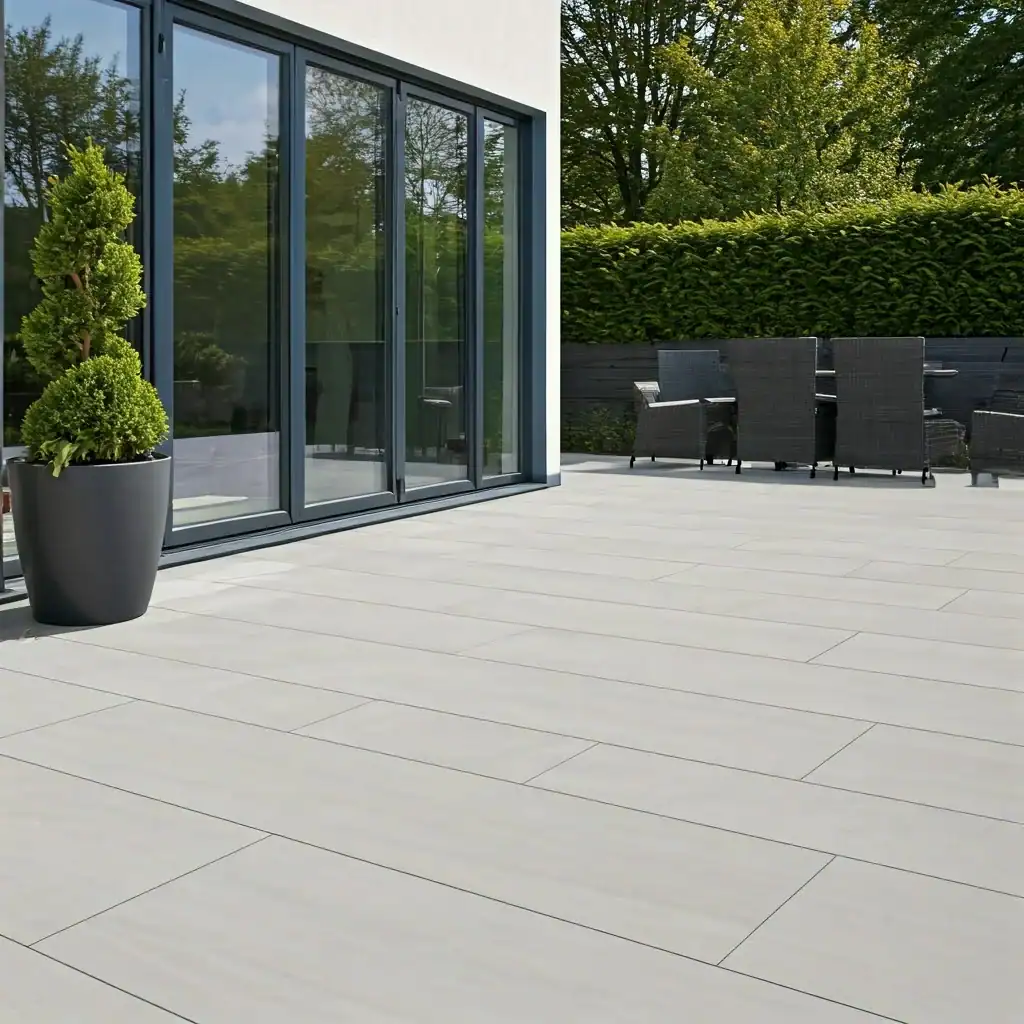
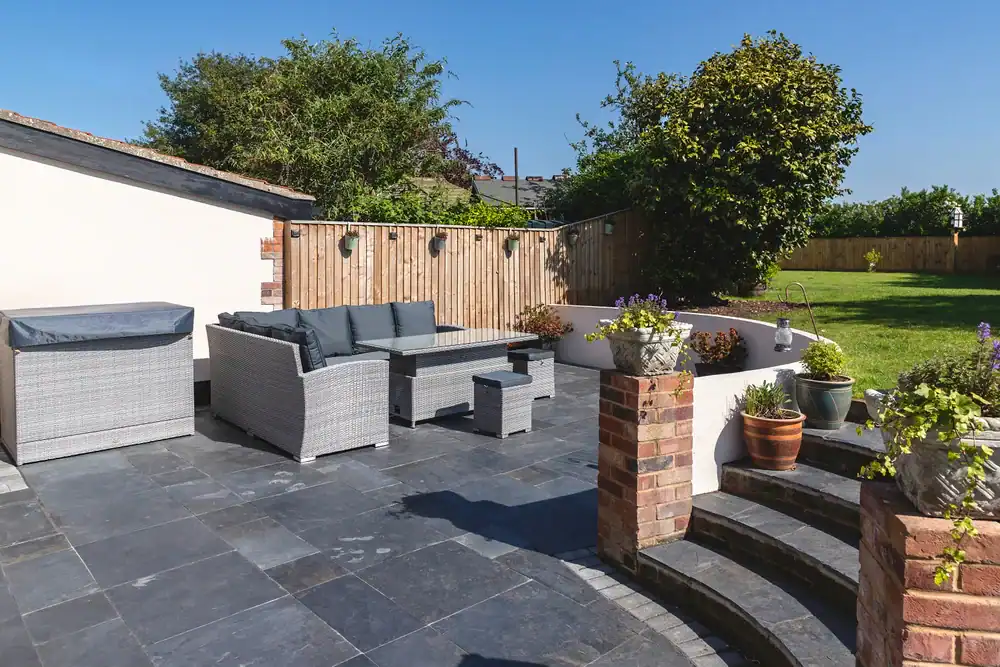
You’re looking at standing water after every afternoon storm. Or maybe your concrete slab cracked again and you’re tired of patching it. Florida’s climate doesn’t give you much choice—you either build it right or you rebuild it constantly.
Patio pavers handle drainage differently than solid concrete. Water moves between the joints instead of pooling on the surface. That means fewer slip hazards during rainy season and less erosion around your foundation when the heavy rains hit.
The other advantage? Repairs. When one paver cracks or settles, you replace that piece. Not the whole patio. You’re looking at a fraction of the cost and disruption compared to tearing out and re-pouring concrete. That’s the difference between a weekend project and a week-long headache.
Spring Hill gets its share of storms. Your patio should be built with that in mind from day one—not as an afterthought when something breaks.
We’ve been operating in Citrus County for nearly three decades. We’re family-owned, and we’ve seen what works in Florida’s climate and what doesn’t. We’re not running crews across five counties—we’re focused here, where we live.
We’re authorized contractors for Tremron, Flagstone, and Belgard. That means access to better materials and manufacturer-backed warranties. We’re also the only Seal ‘n Lock distributor in the county, which matters when you’re sealing pavers in a humid environment where algae and weeds love to grow.
You’ll work directly with people who know Spring Hill’s soil conditions, drainage challenges, and storm patterns. We’ve cleaned up after hurricanes here. We know what holds up and what fails when the weather turns.
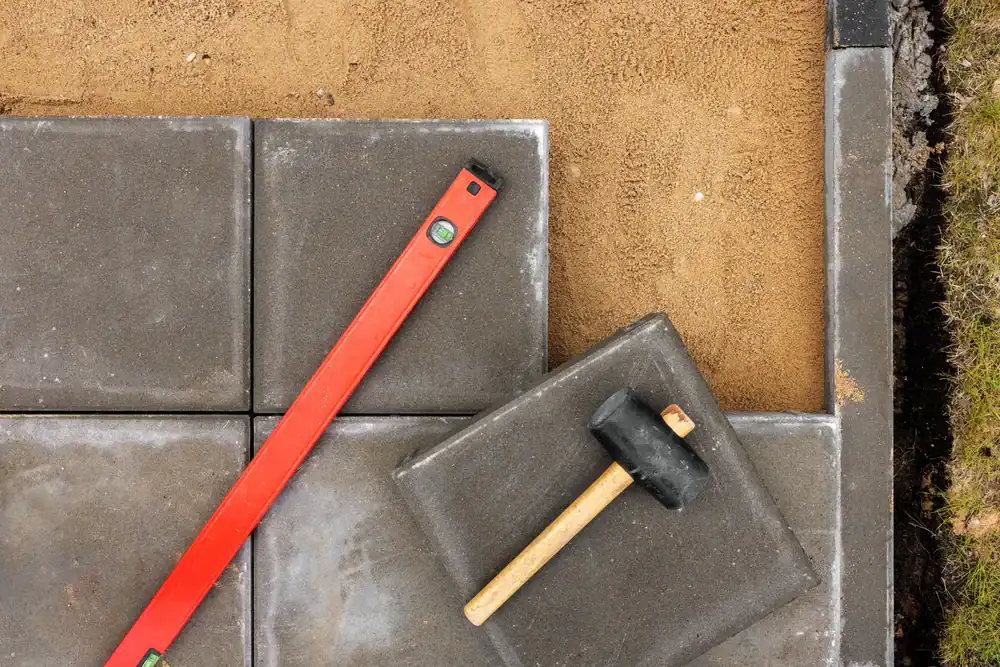
First, we assess your property’s drainage. Florida’s sandy soil and heavy rainfall mean the base layer is everything. If water doesn’t move away from your patio properly, you’ll have settling and shifting within a year. We grade and compact the base to handle Spring Hill’s rain volume.
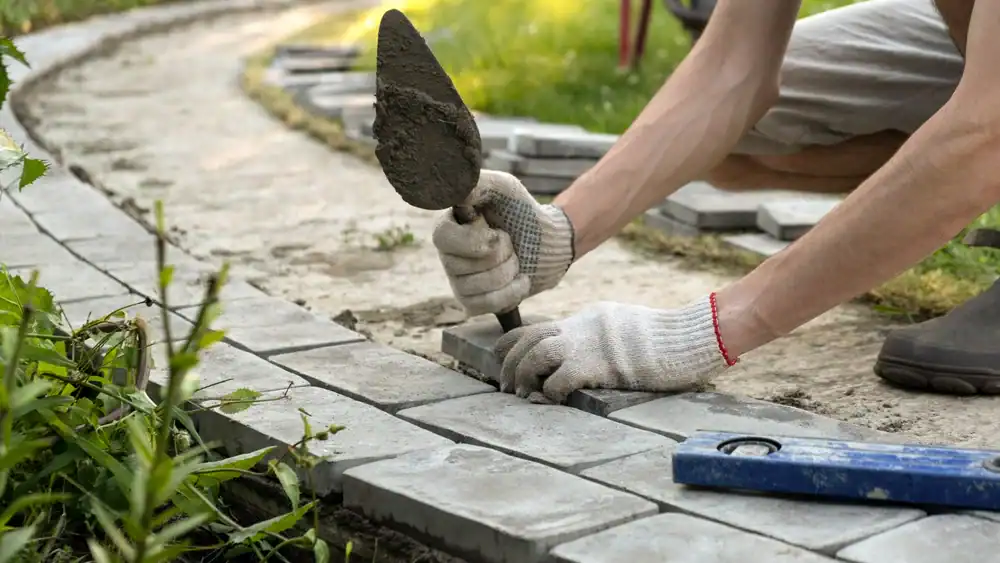
Next, we install the pavers with proper joint spacing and edge restraints. The edges keep everything locked in place during storms. The joints allow water to drain and give the surface flexibility when the ground shifts—which it will in Florida.
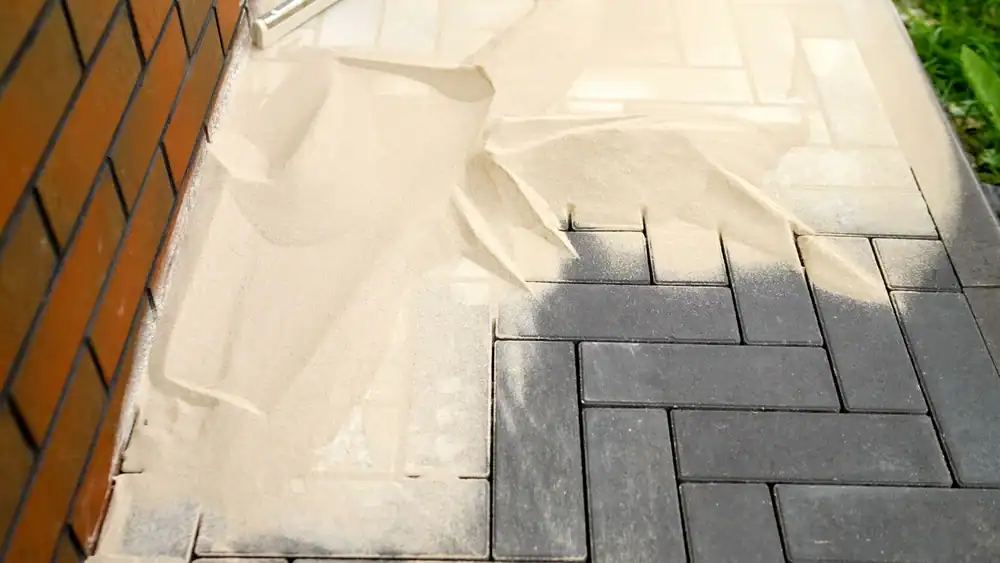
After installation, we apply a high-quality sealer that protects against UV fading, weed growth, and moisture penetration. In Spring Hill’s climate, sealing isn’t optional. It’s the difference between pavers that last 20 years and pavers that look worn out in five.
We also walk you through maintenance expectations. You’re not looking at constant upkeep, but you should know what to watch for and when to reseal. Most clients reseal every 3-5 years depending on sun exposure and traffic.
Ready to get started?
You’re getting a properly prepared base—not just pavers laid on sand. That means excavation, grading for drainage, and a compacted base layer that won’t settle unevenly when the rains come. This is where most cheap installations fail in Florida.
You’re also getting materials rated for this climate. We use pavers designed to handle UV exposure, humidity, and temperature swings. Tremron, Flagstone, and Belgard manufacture specifically for Florida conditions. That’s not marketing—it’s engineering that accounts for thermal expansion and moisture resistance.
The installation includes edge restraints to prevent shifting during storms, proper joint spacing for drainage, and professional-grade sealer application. Spring Hill’s afternoon thunderstorms and hurricane season mean your patio needs to handle serious water volume and wind. The details matter.
We also provide realistic maintenance guidance. You’ll know when to clean, when to reseal, and what to watch for as the patio ages. Most paver patios last 20-50 years in Florida when installed and maintained correctly. Concrete slabs typically crack and need replacement in 10-15 years. The math works in your favor if it’s done right the first time.
A properly installed paver patio in Spring Hill typically lasts 20-50 years, depending on the material and how well you maintain it. Concrete and brick pavers generally hit the 20-30 year range. Natural stone and travertine can push past 50 years with regular sealing and care.
Florida’s climate is tough on outdoor surfaces. UV exposure fades color. Humidity encourages algae and weed growth. Heavy rain tests your drainage and base stability. But pavers handle these conditions better than poured concrete because they flex with ground movement instead of cracking.
The key is proper installation. If the base isn’t graded and compacted correctly, you’ll see settling and shifting within a few years regardless of the paver quality. And if you skip sealing, moisture penetrates the surface and breaks down the material faster. Spring Hill gets enough rain that sealing every 3-5 years isn’t optional—it’s part of the maintenance plan that keeps your investment intact.
Patio paver installation in Spring Hill typically runs $10-$25 per square foot for standard projects. A 12×12 patio costs roughly $1,400-$3,600. A 20×20 patio runs $4,000-$10,000. Premium materials, intricate patterns, or challenging site conditions push costs higher.
Several factors affect pricing. Base preparation is the biggest variable—if your property has drainage issues or unstable soil, you’re looking at more excavation and grading work. Material choice matters too. Basic concrete pavers cost less than natural stone or travertine. And labor rates in Florida have increased 3-5% annually over the past few years.
You’ll also want to factor in sealing, which adds $2-$4 per square foot but protects your investment in Florida’s humid climate. Skipping the sealer to save money upfront usually means higher maintenance costs and shorter lifespan. Most homeowners in Spring Hill find that paying for proper installation and sealing costs less over time than dealing with repairs on a cheaper job that wasn’t done right.
Yes, when installed correctly. Paver patios actually handle hurricanes better than solid concrete because they’re designed to flex and distribute pressure. Each paver moves slightly with ground shifts and wind force, which prevents the kind of catastrophic cracking you see with concrete slabs.
The installation details matter here. Edge restraints keep pavers from shifting outward during high winds. Proper base compaction prevents settling when saturated soil moves during heavy rain. And adequate drainage keeps water from pooling underneath, which causes erosion and creates voids that lead to sinking.
Spring Hill sits in a hurricane-prone area, so this isn’t theoretical. We’ve seen paver patios hold up through direct hits while concrete driveways and patios in the same neighborhood cracked and heaved. The individual paver design is an advantage in storm conditions—if a few pavers do get damaged or displaced, you replace those pieces instead of demolishing and re-pouring an entire slab. That’s a much faster and cheaper recovery after a major weather event.
Pavers drain significantly better than solid concrete. Water moves through the joints between pavers instead of sitting on the surface or running off to one area. That’s critical in Spring Hill, where afternoon thunderstorms dump inches of rain in an hour.
With concrete, you’re dependent on the slab’s slope to move water away. If the grading isn’t perfect or the concrete settles unevenly, you get pooling. That creates slip hazards, accelerates surface deterioration, and can cause water to flow toward your foundation instead of away from it.
Paver systems include a permeable base layer that absorbs and redirects water. Even if the surface gets saturated during heavy rain, the base continues draining once the storm passes. This reduces localized flooding around your patio and minimizes erosion issues that are common in Florida’s sandy soil. The drainage advantage alone makes pavers worth considering if you’ve dealt with standing water problems on your current concrete patio or have areas of your yard that don’t drain well naturally.
Regular cleaning and resealing every 3-5 years. Florida’s humid climate creates ideal conditions for algae, moss, and weeds to grow between pavers. A pressure wash once or twice a year keeps the surface clean and prevents organic buildup that holds moisture and accelerates deterioration.
Sealing protects against UV fading, moisture penetration, and makes cleaning easier. In Spring Hill’s climate, unsealed pavers fade faster and develop more weed growth. The sealer also stabilizes the joint sand, which keeps pavers locked in place and prevents shifting. You’ll need to reseal more frequently if your patio gets full sun exposure or heavy foot traffic.
You should also watch for settling or individual pavers that crack. Catching these issues early means a simple repair—lifting the affected paver, adding base material, and resetting it. Ignoring small problems leads to bigger drainage issues and more extensive repairs later. Most homeowners in Florida find that staying on top of basic maintenance—cleaning, sealing, and addressing minor issues quickly—keeps their paver patio looking good and functioning properly for decades.
Sometimes, but it depends on the concrete’s condition. If your existing slab is structurally sound, level, and has proper drainage, pavers can be installed over it. This is called an overlay, and it saves the cost and mess of removing the old concrete.
However, if your concrete has significant cracking, settling, or drainage problems, overlaying pavers won’t fix those issues—it’ll just hide them temporarily. The pavers will eventually follow the same settlement patterns and drainage failures as the concrete underneath. In those cases, removal and proper base preparation cost more upfront but give you a patio that actually lasts.
Spring Hill’s soil and weather conditions mean drainage is usually the deciding factor. If your existing concrete doesn’t drain well or has areas where water pools, you’re better off removing it and starting fresh with a properly graded base. An overlay might look good initially, but you’ll likely face the same water problems within a year or two. A proper assessment of your existing concrete’s condition and drainage performance tells you whether an overlay makes sense or whether you need a complete tear-out and reinstall.
Useful Links
Other Services we provide in Spring Hill