Choosing the right pool pavers means balancing safety, comfort, and style. Explore materials, patterns, and design ideas that work in Florida's demanding climate.
Share:
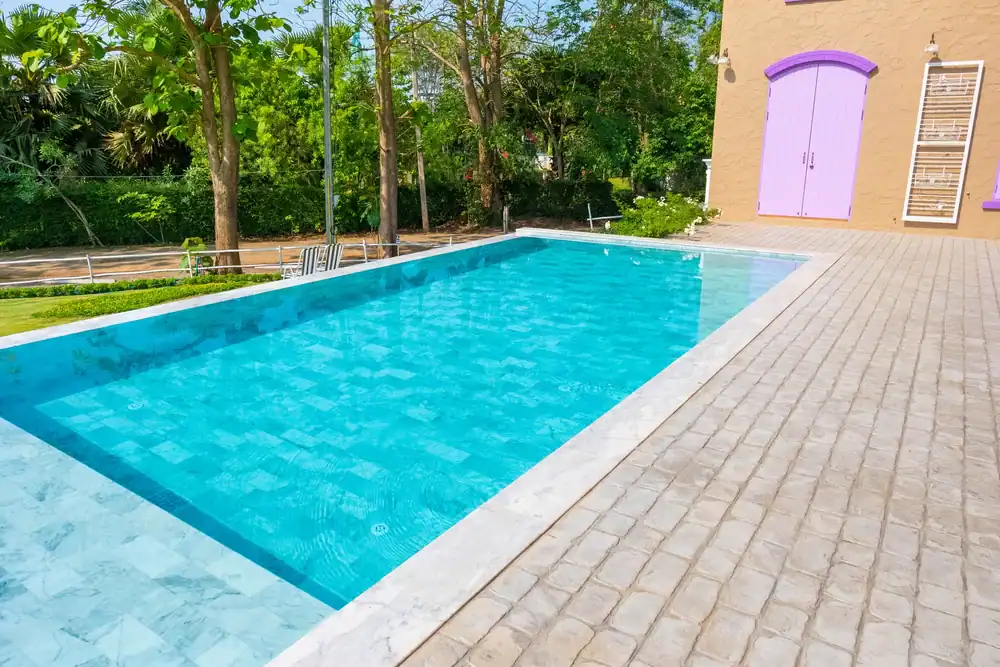
Summary:
Traditional poured concrete has been the default for pool decks for decades. It’s affordable upfront and gets the job done. But concrete cracks under Florida’s temperature swings, absorbs heat like a griddle, and becomes slippery when algae takes hold in the porous surface.
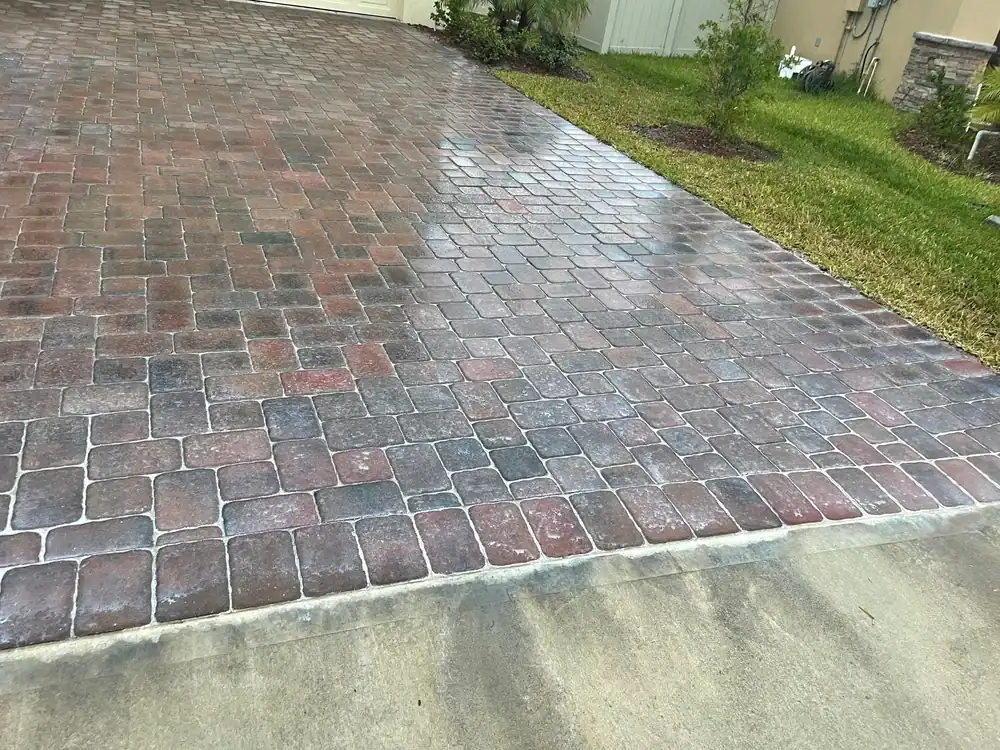
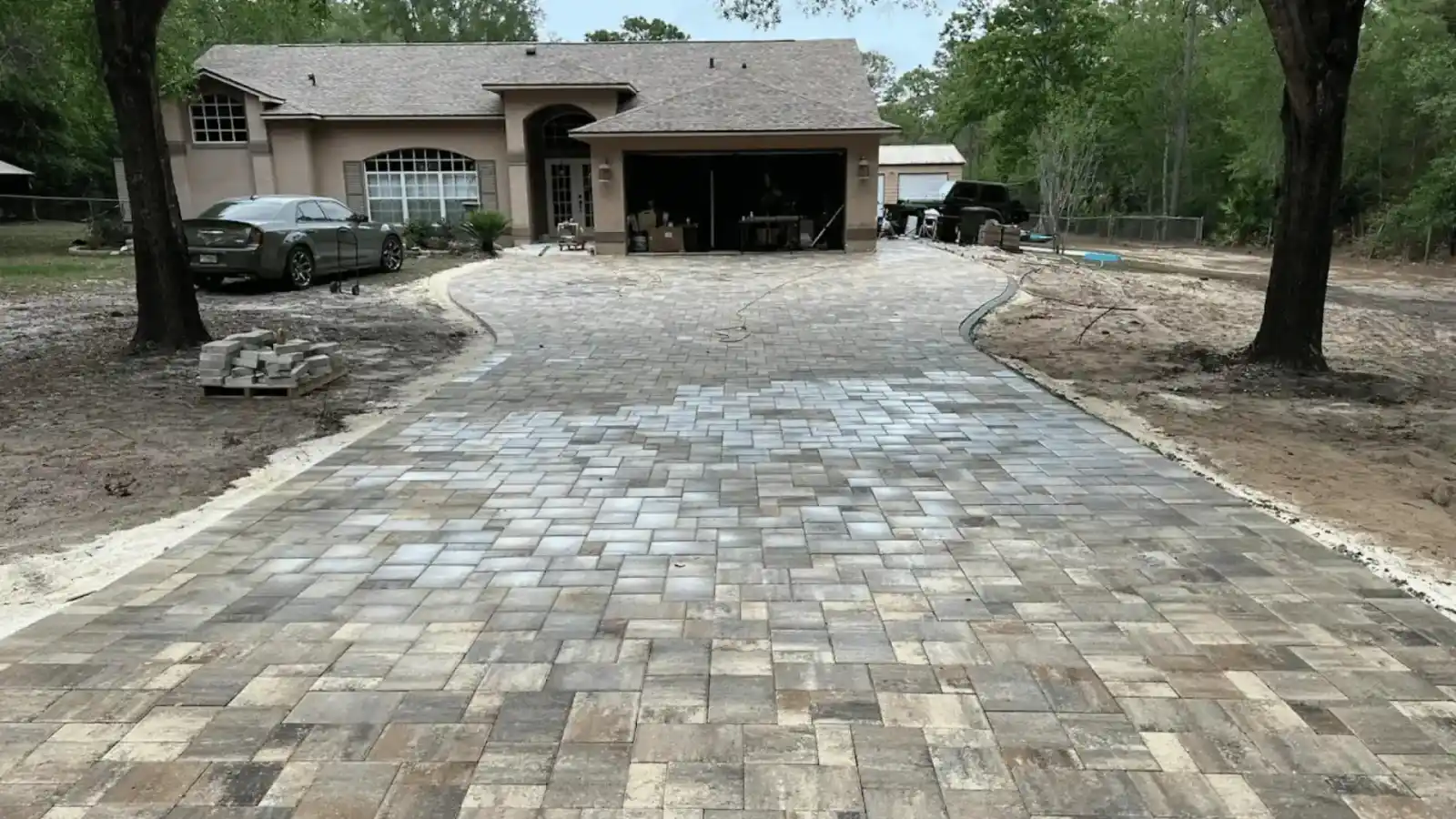
Pool deck pavers are individual units—brick, stone, or concrete—laid in interlocking patterns over a prepared base. Each piece can expand and contract independently, which means fewer cracks. If one paver gets damaged or stained, you replace that single piece instead of resurfacing an entire slab.
The gaps between pavers allow water to drain faster, reducing puddles and slip hazards. Many paver materials also reflect heat better than dark concrete, keeping surfaces cooler underfoot. That difference matters when you’re walking barefoot from the house to the pool on a 95-degree afternoon.
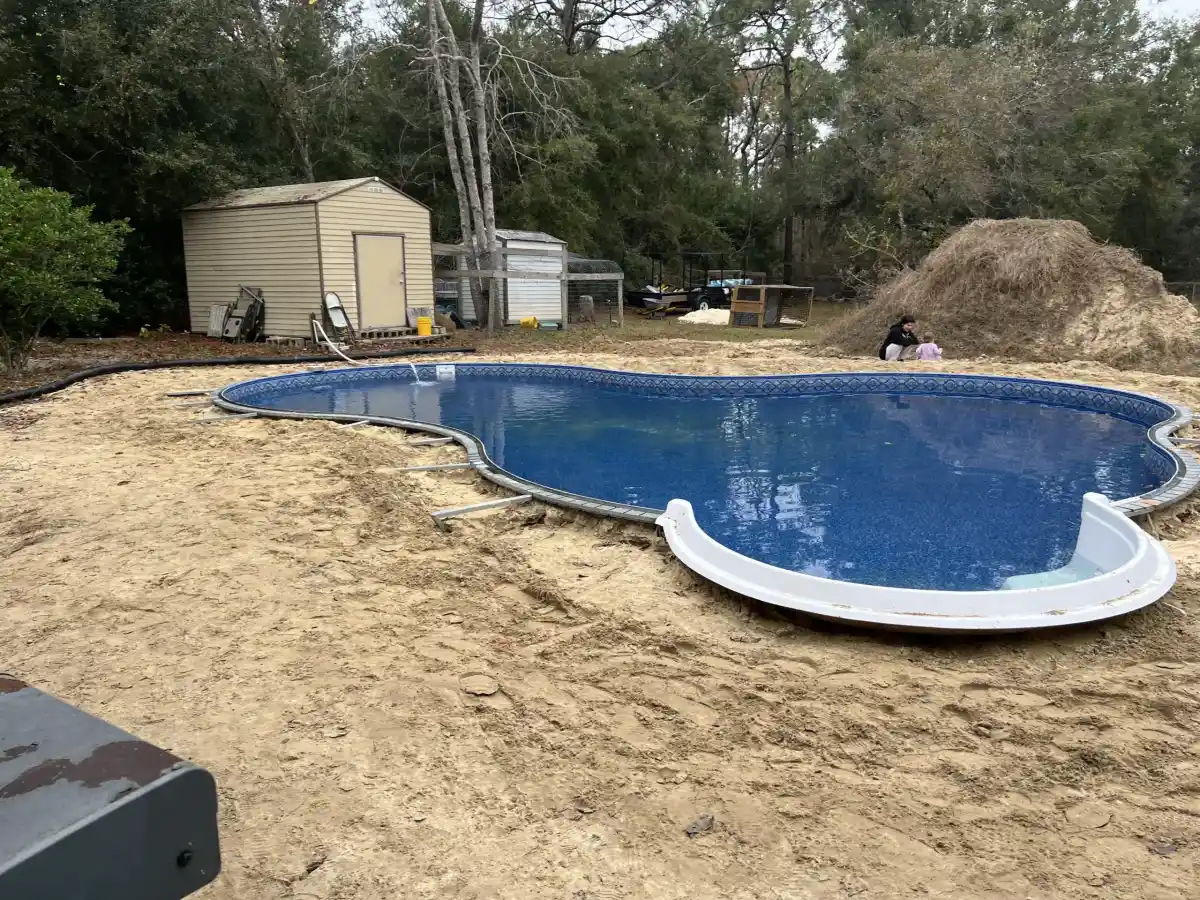
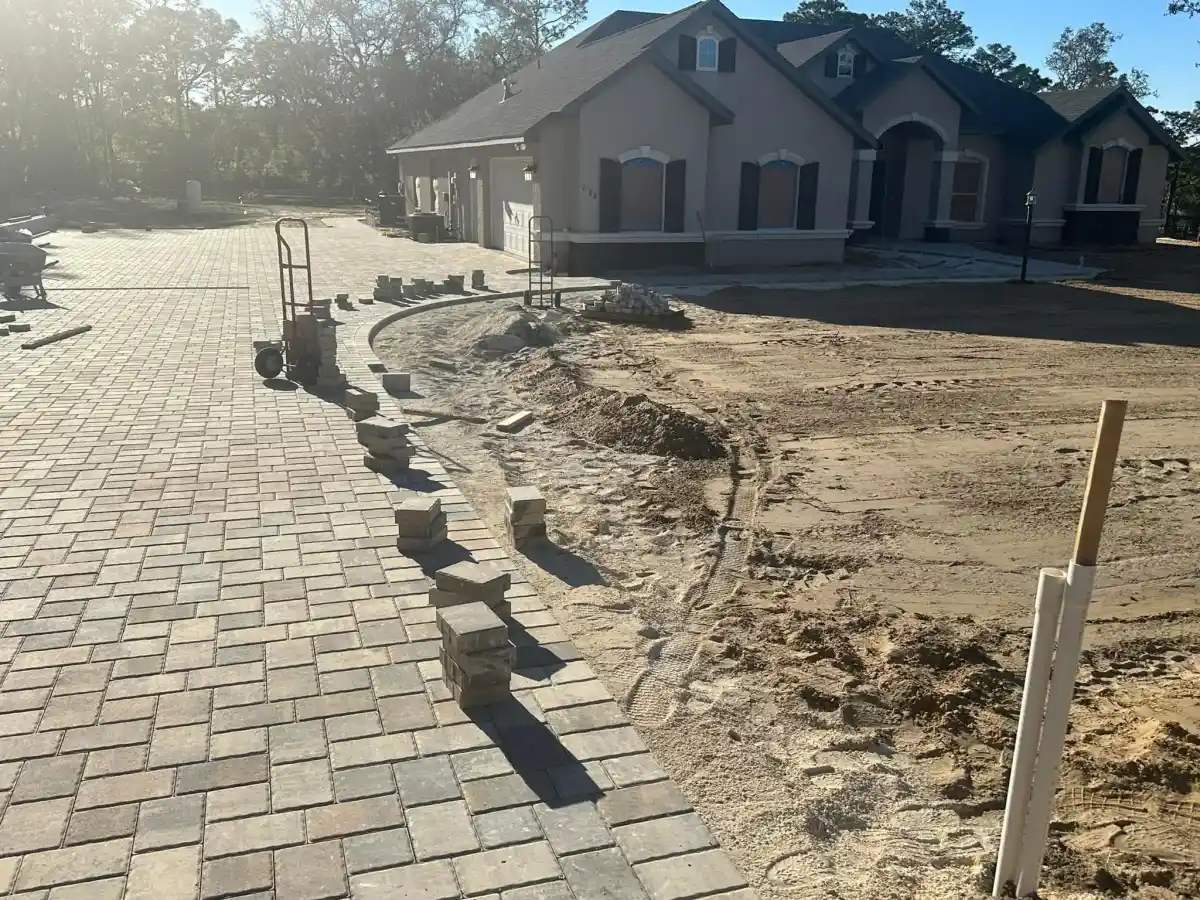
The quality of your pool deck starts below the surface. Proper installation in Homosassa Springs, FL requires excavating the existing area, creating a stable base layer of compacted gravel and sand, and ensuring correct slope for drainage. Skipping these steps leads to shifting, sinking, or uneven pavers within a few years.
Once the base is prepared and leveled, pavers are laid in your chosen pattern—herringbone, running bond, basketweave, or a custom design. Edge restraints keep everything locked in place. Polymeric sand gets swept into the joints, then activated with water to bind and prevent weed growth or ant colonies from moving in.
The entire process takes longer than pouring concrete, but the result is a more durable, flexible surface. Florida’s ground movement from rain and heat won’t crack your deck the way it would with a solid slab. Proper installation also accounts for pool equipment access, drainage around the coping, and transitions to other hardscape areas like walkways or patios.
Most professional installations include a base depth of 4-6 inches, depending on soil conditions and expected traffic. In areas with sandy or unstable soil—common in Citrus County—additional base material or geotextile fabric may be needed. The paver thickness typically ranges from 2 to 3 inches for residential pool decks, providing enough strength without unnecessary weight.
Sealing your pavers after installation protects against stains from sunscreen, pool chemicals, and organic debris. It also enhances color and can add a subtle sheen. Resealing every 2-4 years keeps that protection active, though some modern pavers require less frequent maintenance depending on the material.
Florida gets more rain than almost anywhere else in the country. Homosassa Springs, FL sees heavy afternoon thunderstorms from May through October, dumping inches of water in minutes. If your pool deck doesn’t drain properly, that water sits, seeps into joints, and creates problems.
Standing water promotes mold and algae growth, making surfaces dangerously slippery. It also accelerates deterioration of the base material beneath your pavers. Over time, poor drainage causes settling, shifting, and even structural issues with the pool itself if water undermines the foundation.
Pool deck pavers naturally drain better than solid concrete because water flows through the joints between each unit. But that only works if the base is graded correctly—typically a 1-2% slope away from the pool and toward designated drainage areas. Some homeowners add French drains or permeable paver sections in areas prone to pooling.
Proper drainage also prevents efflorescence, those white chalky deposits that appear when water evaporates and leaves mineral salts behind. It’s not just cosmetic—efflorescence indicates moisture movement through your pavers, which can weaken the installation over time. Good drainage from the start eliminates most of these issues.
Coping—the edge material where your deck meets the pool—plays a role too. Bullnose or rounded coping directs water away from the pool shell and onto the deck surface, where it should flow toward drains. Flat or improperly installed coping can funnel water back toward the pool structure, causing long-term damage.
Want live answers?
Connect with a MainStreet Landscaping expert for fast, friendly support.
Not all paver materials handle Florida’s heat, humidity, and UV exposure equally. Some crack under temperature stress. Others absorb too much heat or become slick when wet. The best options for Homosassa Springs, FL balance durability, safety, and comfort.
Travertine remains a top choice for pool decks because it stays cool underfoot even in direct sun. This natural stone has a porous surface that absorbs water quickly, reducing slip risk. Its light color—typically ivory, beige, or walnut tones—reflects heat instead of trapping it. Travertine does require periodic sealing to protect against staining and weathering.
Concrete pavers offer the most design flexibility at a lower price point. They come in dozens of shapes, sizes, colors, and textures. Modern manufacturing techniques create pavers that mimic natural stone but with more consistent dimensions and strength. Textured finishes provide slip resistance, and lighter colors keep surfaces cooler. Sealed concrete pavers resist chlorine and UV damage better than poured concrete.
Porcelain pavers are gaining popularity for their low maintenance and modern aesthetic. They’re non-porous, so water and chemicals don’t penetrate the surface. This makes them resistant to staining, fading, and mold growth. Porcelain stays relatively cool and comes in styles that replicate wood, stone, or contemporary solid colors. The downside is cost—porcelain typically runs higher than concrete or even some natural stone options.
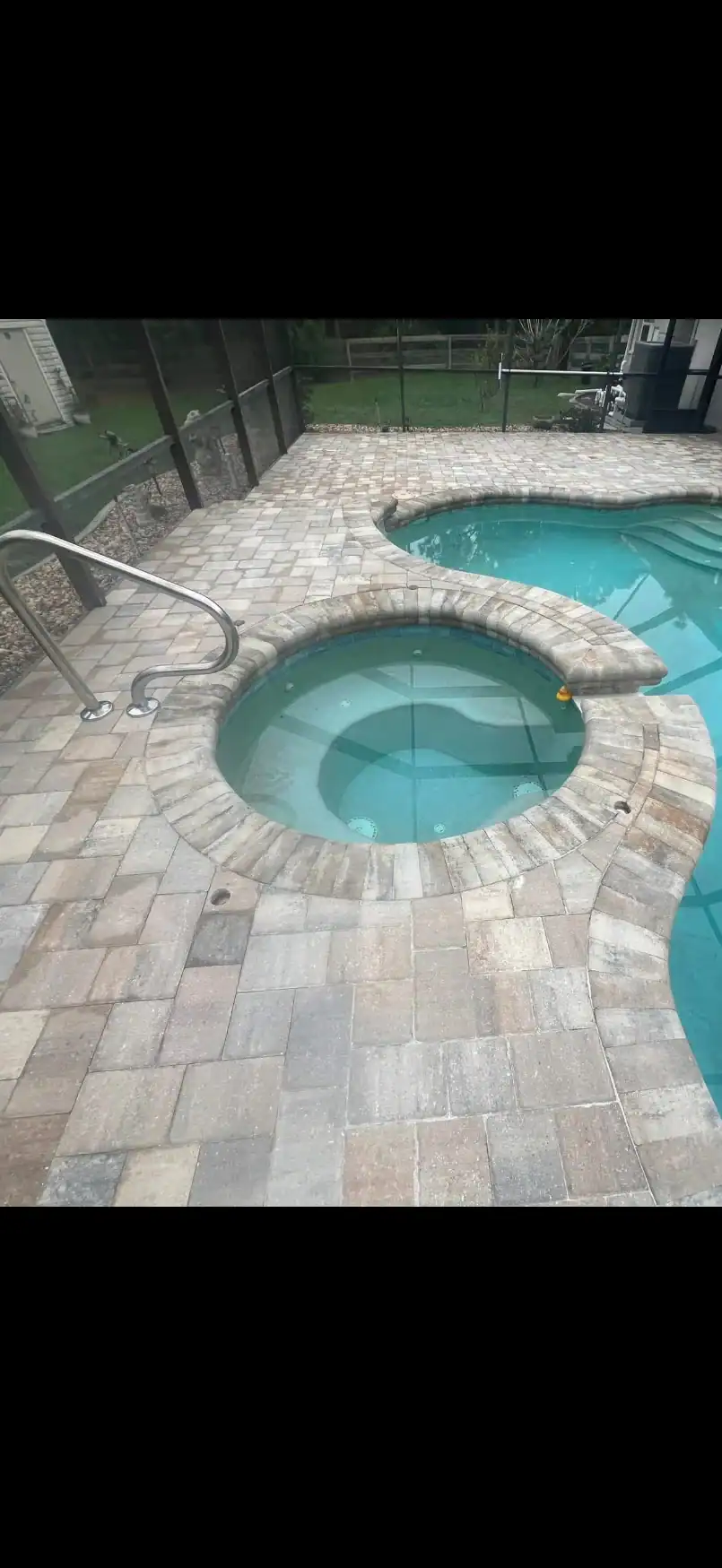
Travertine and concrete pavers dominate pool deck installations in Florida, but they serve slightly different priorities. Understanding the trade-offs helps you choose the right fit for your situation and budget.
Travertine is quarried natural stone, formed over thousands of years. Each piece has unique color variation and natural pitting that gives it character. That porous texture is what keeps it cool—air pockets in the stone don’t conduct heat the way dense materials do. Travertine is softer than granite or concrete, which makes it comfortable underfoot but also more prone to scratching or chipping if you drop heavy furniture or equipment.
Concrete pavers are manufactured, so they’re more uniform in size, shape, and color. That consistency makes installation faster and allows for precise patterns. Concrete can be engineered to specific strength ratings, typically 3500-4000 PSI for pool decks. It’s denser than travertine, which means it’s more resistant to impact damage but can feel harder underfoot and may retain slightly more heat unless you choose light colors with textured finishes.
Cost-wise, concrete pavers usually run $6-$12 per square foot installed, while travertine ranges from $10-$20 per square foot depending on the grade and finish. Both require similar base preparation and installation labor, so the material itself drives most of the price difference.
Maintenance differs slightly. Travertine needs sealing more frequently—every 1-3 years—to prevent staining from leaves, sunscreen, and pool chemicals. Concrete pavers can go 3-5 years between sealing depending on the product and exposure. Both are easy to clean with a hose or pressure washer, and individual damaged pavers can be replaced without disturbing the surrounding area.
Aesthetically, travertine delivers a more organic, high-end look that pairs well with natural landscaping and traditional architecture. Concrete pavers offer more design options—geometric patterns, borders, inlays, and color blends—making them ideal for contemporary or custom designs. Neither is objectively better; it depends on your style preference and how you prioritize initial cost versus long-term appearance.
If budget allows, porcelain and other natural stones like granite or limestone bring distinct advantages to pool deck installations. These premium materials solve specific problems that matter in Florida’s demanding environment.
Porcelain pavers are manufactured from refined clay fired at extremely high temperatures. The result is a dense, non-porous surface that resists everything—water, chemicals, UV rays, scratches, and stains. Porcelain won’t fade over time, and it doesn’t require sealing. For homeowners who want the lowest possible maintenance, porcelain delivers.
The heat performance is solid. While not quite as cool as travertine, light-colored porcelain reflects enough sunlight to stay comfortable barefoot. Textured finishes provide excellent slip resistance even when wet. Porcelain also comes in large-format sizes—24×48 inches or bigger—which creates a sleek, modern look with fewer grout lines. Installation requires specialized tools and experience because porcelain is harder to cut than concrete or natural stone.
Granite pavers offer exceptional durability and a sophisticated appearance. Granite is an igneous rock, extremely hard and resistant to scratching, chipping, or weathering. It handles Florida’s climate without issue and comes in various colors from light grays to darker charcoals. Flamed or tumbled finishes add texture for slip resistance. Granite stays cooler than concrete but not as cool as travertine or coral stone.
Limestone is another natural stone option, known for its smooth texture and earthy tones. It’s slip-resistant when wet and stays relatively cool underfoot. Limestone is softer than granite, so it’s more prone to scratching, but many homeowners appreciate the weathered patina it develops over time. Like travertine, limestone requires sealing to protect against staining and erosion from acidic substances.
Coral stone, popular in coastal Florida, features fossilized textures with visible shells and coral formations. It stays exceptionally cool even in direct sun and offers natural slip resistance. Coral stone is softer than other natural stones and may require more frequent sealing, but its unique appearance and thermal properties make it a standout choice for tropical or coastal-themed pool areas.
Each of these premium materials costs more upfront—$15-$30+ per square foot installed—but they last 30-50 years with minimal maintenance. If you’re investing in a long-term outdoor living space and want materials that perform flawlessly year after year, these options deliver.
The best pool deck isn’t just about picking attractive pavers. It’s about choosing materials and designs that handle Florida’s heat, humidity, and heavy use without constant repairs or replacements.
Start with light colors—beige, cream, white, or light gray—to keep surfaces cool. Avoid dark browns or charcoals unless they’re in shaded areas. Textured or tumbled finishes provide better traction than smooth surfaces, especially around pool edges where water splashes constantly.
Consider how the design connects to your home’s architecture and existing landscaping. Travertine and natural stone complement Mediterranean, Spanish, or traditional styles. Concrete pavers work with almost anything and allow for creative patterns that add visual interest. Porcelain fits modern, minimalist designs where clean lines and low maintenance are priorities.
Work with experienced installers who understand Florida’s soil conditions, drainage requirements, and climate challenges. Proper base preparation, correct slope, and quality materials matter more than any design trend. When you invest in doing it right from the start, your pool deck becomes a space you’ll enjoy for decades—not something you’re constantly fixing or worrying about.
If you’re ready to explore options for your pool area, we bring nearly 30 years of local experience to every project in Citrus County. We understand what works in Homosassa Springs, FL and deliver the kind of meticulous craftsmanship that turns a basic pool deck into an outdoor space you’re proud to show off.
Article details:
Share:
Continue learning: