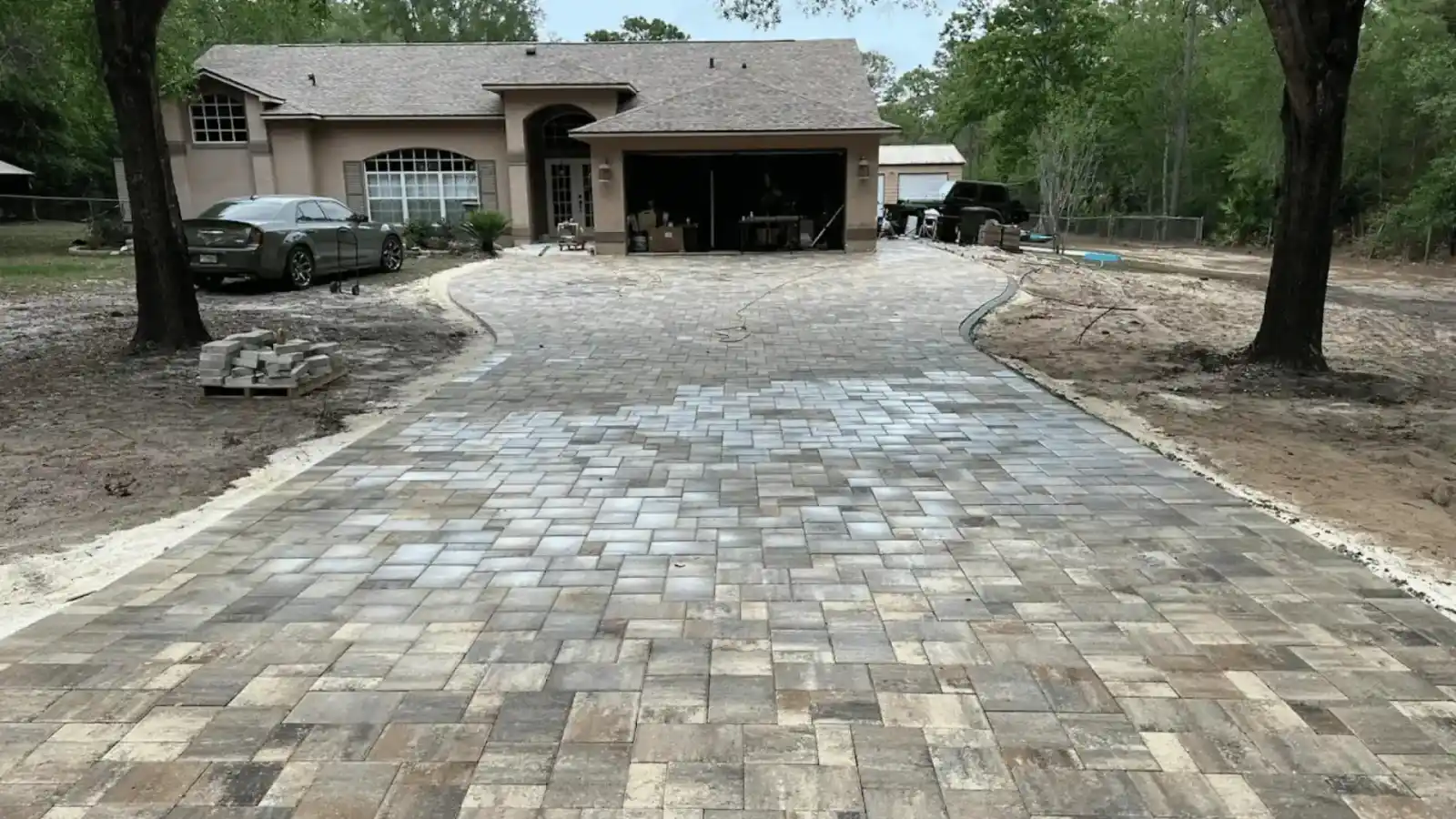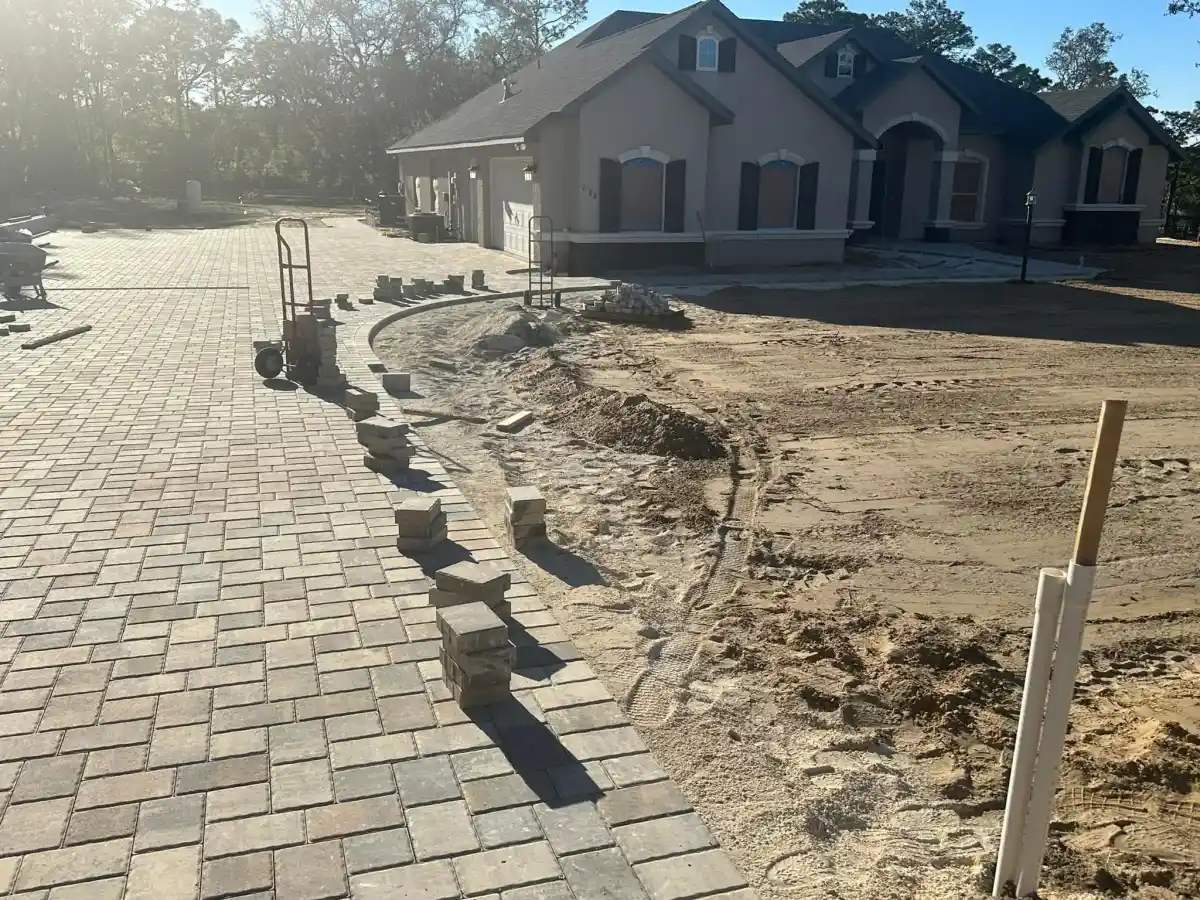
Looking to connect your outdoor spaces with style? Explore walkway paver installation ideas that guide guests through your Citrus County landscape while solving drainage and creating lasting curb appeal.
Share:
Summary:
You’ve got a pool deck, a patio, maybe a garden area. But getting from one to the other? That’s where things get messy. Literally. Florida’s rainy season turns bare paths into mud zones. Your sandy Citrus County soil washes away. And those concrete walkways you poured five years ago are already cracking and settling.
Walkway paver installation solves these problems while connecting your outdoor spaces with actual design intent. Custom walkways guide guests through your landscape, manage water flow during summer storms, and create structure in areas that currently just feel like “the space between.” You’ll learn what works in Citrus County’s soil, how to connect different outdoor areas, and design ideas that go beyond basic concrete slabs.
Walkways aren’t decoration. In Citrus County, they’re infrastructure. Our sandy soil erodes fast when summer storms hit. Without defined paths, you’re fighting mud, washouts, and uneven terrain every rainy season.
Paver installation creates stable walking surfaces that flex with our soil instead of cracking against it. The joints between pavers let water drain through rather than pooling on the surface. And when installed correctly with proper base preparation, they handle the ground movement that makes concrete fail here within a decade.
Beyond function, walkways organize your outdoor space. They guide movement, protect garden beds from foot traffic, and connect your driveway to your front door or your pool deck to your patio without creating worn dirt paths. You’re not just laying stones. You’re building the framework that makes your yard usable.
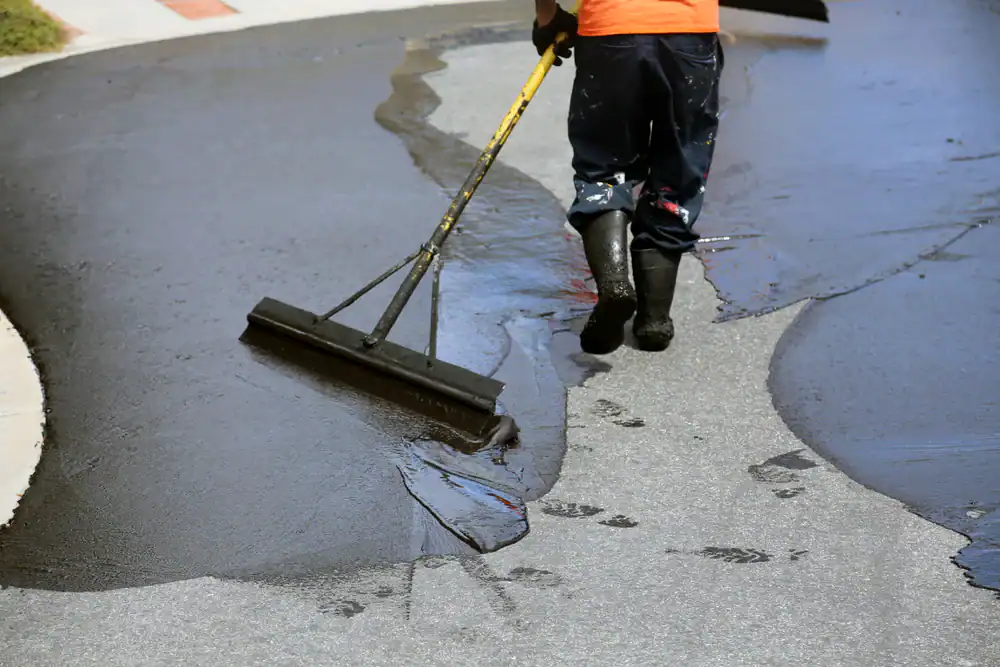
Most Citrus County properties have multiple outdoor features that don’t talk to each other. Your pool deck sits isolated. Your patio feels disconnected. Getting to the garden means crossing grass that turns to mud half the year.
Custom walkway paver installation creates intentional flow between these spaces. A curved paver path from your pool deck to your covered patio makes evening entertaining seamless. A straight walkway from your patio to your garden area gives you clean access year-round without tracking dirt back to the house.
The key is designing paths that follow natural movement patterns. Watch how people actually walk through your yard. That’s where your walkway should go. Not the shortest distance, but the route that feels right and avoids drainage problem areas.
Width matters too. A path from your driveway to your front door should be at least four feet wide so two people can walk comfortably side-by-side. Secondary paths to gardens or side yards can be narrower at three feet. Think about how you’ll use each walkway, and size it accordingly.
Material choice affects both look and function. Concrete pavers offer the most design flexibility with dozens of colors and patterns. They’re durable, cost-effective, and handle Florida’s climate well. Natural stone like travertine or flagstone creates a high-end look with unique textures. Brick pavers deliver traditional charm with warm tones that complement both modern and classic homes.
In Citrus County’s sandy soil, installation quality determines whether your walkway lasts five years or fifty. Proper base preparation means excavating six to twelve inches deep, installing compacted base material, and using concrete edging to lock everything in place. Polymeric sand between pavers prevents weeds and ant hills while still allowing drainage. You won’t see this base work once the job’s done, but it’s the difference between a walkway that stays level and one that starts sinking after two rainy seasons.
The pattern you choose affects both how your walkway looks and how well it performs. Some patterns are purely aesthetic. Others add structural stability that matters when you’re dealing with sandy soil and heavy foot traffic.
Herringbone patterns offer superior interlock. The 45-degree angle creates movement while strengthening joint stability. This pattern works especially well for high-traffic areas like front entry walkways or paths connecting your driveway to your front door. It requires more cutting during installation, but the structural benefit and visual appeal justify the extra work.
Running bond patterns use a simple offset layout that’s easier to install and creates clean, linear flow. This works well for straight walkways where you want a more formal, structured feel. It’s also budget-friendly since it minimizes waste and reduces installation time.
Basket weave patterns create a traditional look with pavers arranged in alternating pairs. This pattern suits cottage-style homes or properties where you want a more relaxed, classic aesthetic. It’s moderately easy to install and offers good stability.
For curved walkways that wind through garden areas, consider irregular flagstone or natural stone with varied shapes. These materials create organic, flowing paths that feel less formal than geometric patterns. The irregular shapes work with curves rather than fighting them, reducing the cutting needed for tight turns.
Color and contrast add another layer of design. A single-color walkway in a neutral tone creates understated elegance. Multi-tone patterns with contrasting borders add visual interest and help define the path edges. In Citrus County’s bright sunlight, lighter colors stay cooler underfoot, while darker tones create dramatic contrast against surrounding landscaping.
Your walkway should complement your home’s architecture and existing hardscape features. If you have a paver driveway, consider using complementary colors or patterns for your walkways to create a cohesive hardscape design. You don’t need to match exactly, but the materials should feel like they belong to the same design family.
Lighting integration turns functional walkways into evening focal points. Low-voltage path lights installed along walkway edges improve safety while creating ambiance. Some pavers can accommodate integrated LED lighting for a seamless, modern look. Plan for lighting conduit during installation so you’re not digging up your new walkway later to add lights.
Want live answers?
Connect with a MainStreet Landscaping expert for fast, friendly support.
Citrus County’s environment creates specific challenges that affect how long your walkway lasts. Sandy soil shifts. Summer storms dump heavy rain. Intense sun beats down year-round. Humidity never quits.
Professional paver installation addresses these challenges with proper base preparation, drainage planning, and material selection. The base determines everything. In our sandy soil, that means excavating deeper than most regions, installing multiple layers of compacted aggregate, and ensuring proper slope so water flows away from your house.
Edge restraints keep pavers locked in place as the ground shifts seasonally. Polymeric sand fills joints to prevent weeds while allowing water to drain through. Quality materials rated for freeze-thaw cycles and UV exposure ensure your walkway doesn’t fade or deteriorate in Florida’s intense sun.
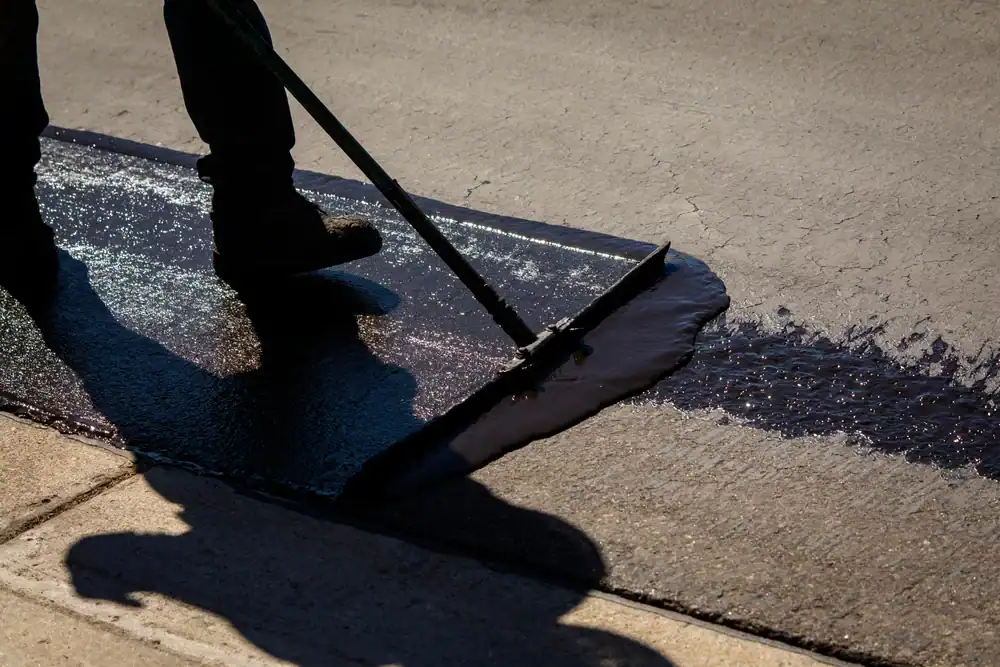
Most walkway failures happen below the surface. You’ll never see the base once pavers are installed, but it’s what determines whether your path stays level or starts sinking within a few years.
Citrus County’s sandy soil requires deeper excavation than most places. Six to twelve inches is standard here, compared to four to six inches in areas with more stable soil. This depth allows for proper base material that won’t settle as the sandy ground shifts.
The excavated area gets filled with compacted aggregate base. This isn’t just dumping gravel and calling it done. Each layer gets compacted with professional equipment to create a stable, dense foundation. Proper compaction is what keeps your walkway from developing low spots or uneven areas.
Slope matters as much as depth. Your walkway should slope slightly away from structures at about a quarter-inch drop per foot. This ensures water flows off the surface and away from your house rather than pooling or directing moisture toward your foundation. In Florida, where afternoon storms can dump inches of rain in an hour, proper slope prevents flooding and erosion.
Concrete edging locks the entire system in place. This edging sits along the walkway perimeter, creating a solid border that prevents pavers from shifting outward as people walk on them. Without proper edging, even a perfectly installed walkway will eventually spread and develop gaps.
The sand layer that pavers sit on is the final critical component. This isn’t beach sand. It’s a specific grade that provides a level setting bed while allowing for minor adjustments during installation. Too much sand and pavers settle. Too little and they won’t sit level. Getting this layer right takes experience and attention to detail.
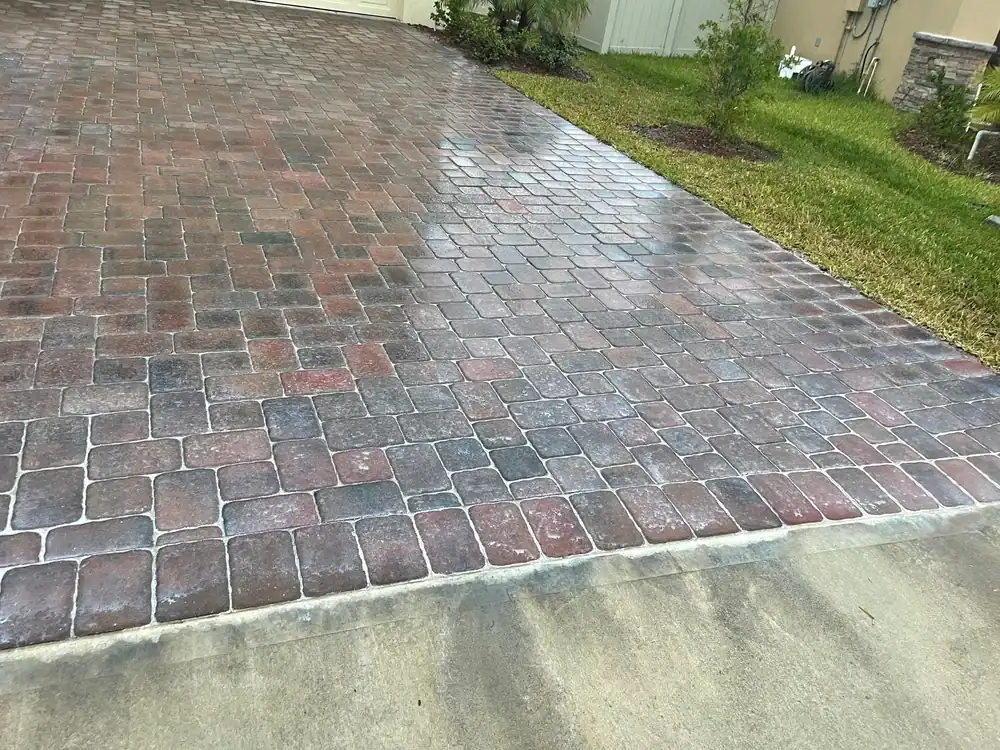
Once pavers are placed, polymeric sand gets swept into the joints. This specialized sand hardens when activated with water, creating a stable bond that prevents weed growth and ant hills while still allowing water to drain through. It’s one more layer of protection that keeps your walkway performing for decades.
Understanding the installation process helps you plan around the work and know what to expect each day. A typical walkway paver installation in Citrus County follows a predictable sequence, though timing varies based on size and complexity.
Small walkways covering 200 to 400 square feet typically take two to four days. This includes a front entry path from your driveway to your door, or a simple connection between your patio and pool deck. Larger walkways or complex designs with multiple levels, curves, or custom features can take five to ten days or more.
Day one usually involves site preparation and excavation. Our crews mark the walkway layout, remove existing grass or old concrete, and excavate to the proper depth. This is the messiest part of the project, but it’s also the most important. Proper excavation sets up everything that follows.
Days two and three focus on base installation and compaction. We install aggregate base in layers, compacting each layer before adding the next. We establish proper slope and drainage, install edge restraints, and prepare the final sand setting bed. This phase looks less dramatic than excavation, but it’s where the real craftsmanship happens.
The final days involve paver placement, cutting, and finishing. We lay pavers according to your chosen pattern, making precise cuts around curves, edges, or obstacles. We sweep polymeric sand into joints, compact the surface, and clean everything thoroughly. When done right, you can use your new walkway immediately. No waiting for concrete to cure.
Weather affects scheduling in Florida. Rain delays are common, especially during summer months. We won’t install pavers on saturated ground or during active rain because it compromises the base. This might extend your timeline, but it protects your investment.
Permits may be required depending on your project scope and local regulations. We handle this paperwork, removing the burden from you. In Citrus County, permit processing typically adds one to two weeks on the front end, but that’s not active work time on your property.
Communication throughout the project keeps you informed. We provide clear timelines, update you on progress, and address questions as they arise. You shouldn’t be left wondering what’s happening or when our crews will show up.
Your outdoor areas have potential you’re not using. Walkway paver installation creates the connections that make those spaces work together instead of sitting isolated. From your driveway to your front door, your pool deck to your patio, or your house to your garden, custom walkways guide movement while solving drainage problems and adding structure.
The difference between walkways that last and ones that fail comes down to understanding Citrus County’s specific challenges. Sandy soil, heavy rain, and intense sun require proper base preparation, quality materials, and installation expertise that accounts for local conditions.
If you’re ready to connect your outdoor spaces with walkways that handle Florida’s climate and actually look like they belong there, we’ve been solving these problems in Citrus County since 1995. We know what works in our soil, what lasts in our weather, and how to design paths that make sense for how you use your property.
Article details:
Share:
Continue learning: