
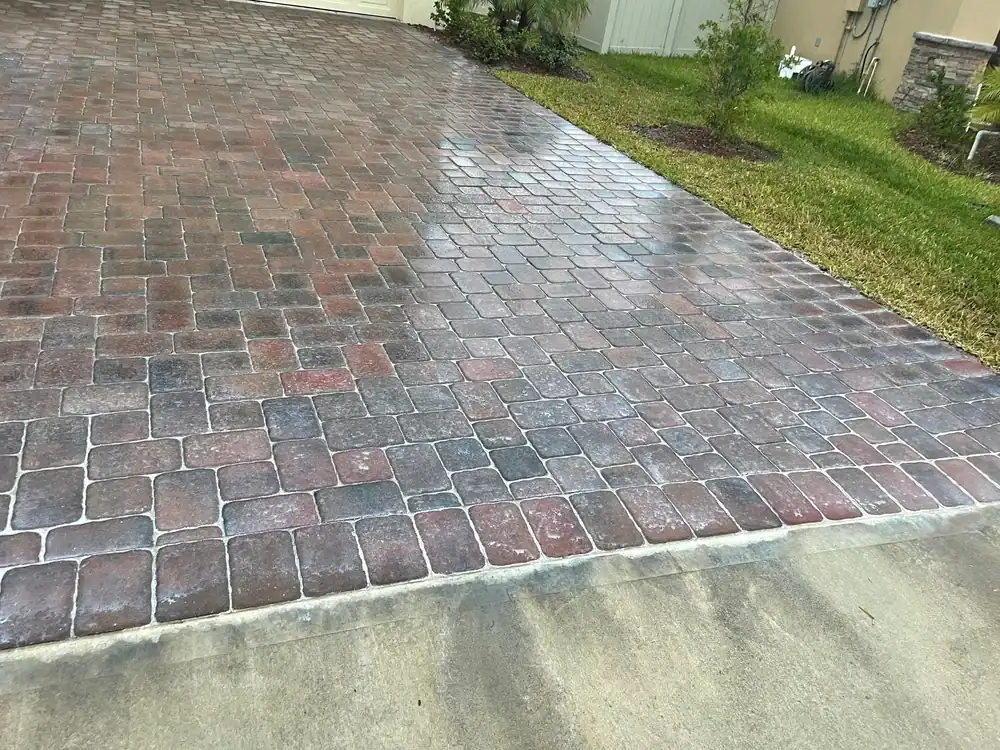
Your pavers looked incredible when they went in. Then Florida happened.
UV rays bleached the color out. Humidity invited algae and mildew to set up camp. Rain washed away joint sand and let weeds push through. Now your driveway, patio, or pool deck looks tired, and you’re wondering if it’s time to replace everything.
It’s not. Sealing interlocking pavers brings back that original color and creates a protective barrier against everything trying to destroy them. You get the look you paid for, plus protection from UV damage, moisture absorption, staining, and weed growth. The finish lasts two to three years in our climate, which means fewer weekends spent scrubbing algae or pulling weeds from cracks.
This isn’t about making pavers look good for a month. It’s about protecting an investment that cost thousands to install and would cost even more to replace.
We’ve been family-owned and operating in Citrus County since 1995. We’re authorized contractors for Tremron, Flagstone, and Belgard, which means we’re trained on the products we’re sealing and we’re held to manufacturer standards.
We’re also the only Seal ‘n Lock distributor in the county. That’s a commercial-grade sealer designed specifically for Florida’s climate, not a general-purpose product that breaks down in eight months.
You’re working with people who’ve spent decades learning how pavers behave in Weeki Wachee Gardens, FL. We know what fails here and what lasts.
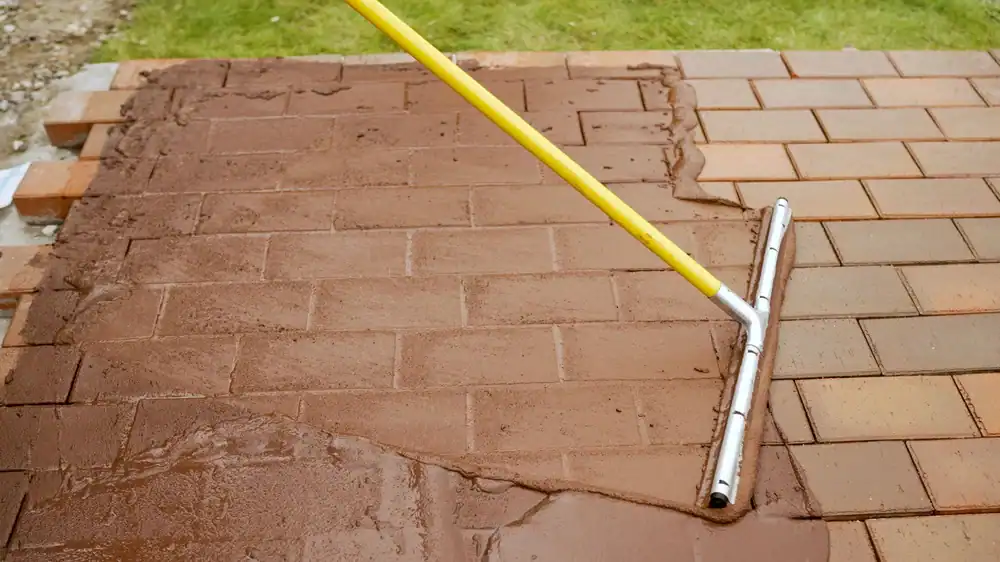
We start with a thorough cleaning because sealer only works if it bonds properly. That means removing dirt, algae, mildew, old sealer residue, and any stains that have set into the surface. This step takes time, but it’s the difference between sealer that lasts and sealer that peels off in six months.
Once the surface is clean and completely dry, we apply Seal ‘n Lock using commercial equipment that ensures even coverage. You’ll choose between a wet look finish, which deepens color and adds a slight sheen, or a natural matte finish that protects without changing the appearance. Both options create a barrier against UV rays, moisture, stains, and organic growth.
The sealer needs time to cure. We schedule around weather conditions to avoid rain, high humidity, or extreme heat that can interfere with curing. Once it’s set, you’ve got protection that holds up to Florida’s storms, salt exposure, and year-round sun.
This is the same process we use on driveways, pool decks, walkways, and patios across Weeki Wachee Gardens, FL. It works because we don’t skip steps.
Ready to get started?
You’re getting more than a coat of sealer. The service includes deep cleaning with commercial-grade equipment, stain removal, mold and mildew treatment, and joint sand stabilization before we ever open a sealer container.
We inspect for any damage that needs repair before sealing. Cracked pavers, sunken sections, or eroded joints get flagged because sealing over problems doesn’t fix them. You’ll know what you’re working with before we start.
In Weeki Wachee Gardens, FL, outdoor living spaces take a beating from coastal humidity, intense UV exposure, and sudden storms that dump inches of rain in an hour. Our paver sealing service is built around those conditions. We use products formulated for Florida’s climate, not general sealers that work fine in Arizona but fail here.
You also get a choice of finish. The wet look brings out rich, deep color and works well on darker pavers or areas where you want that polished appearance. The natural matte keeps the original look while adding protection. Both last two to three years with proper maintenance, which is significantly longer than cheaper alternatives.
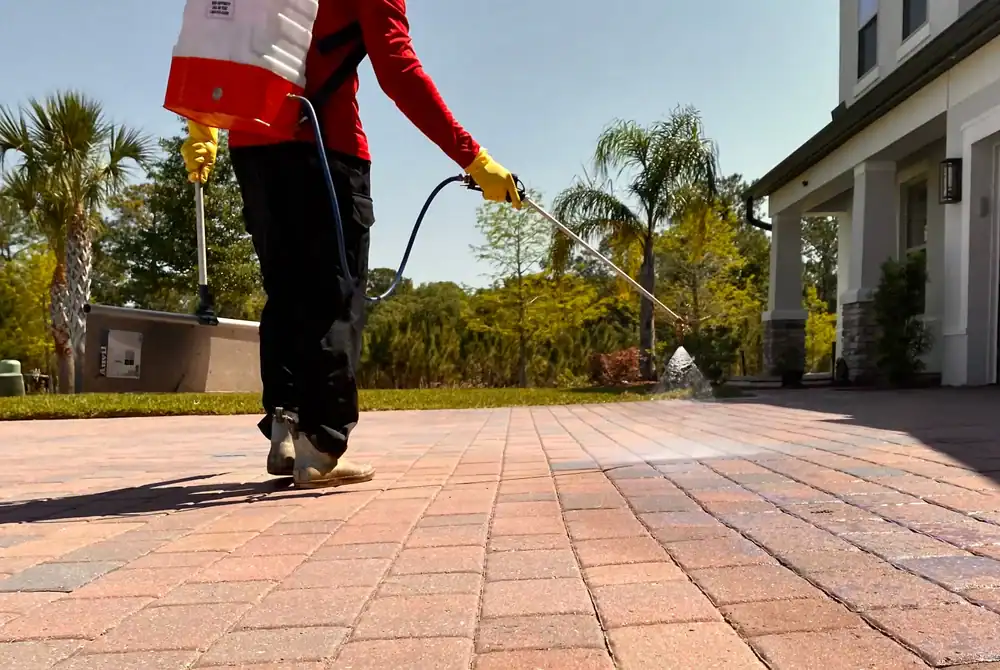
Professional paver sealing in Weeki Wachee Gardens, FL typically lasts two to three years. That timeline assumes you’re using a commercial-grade sealer like Seal ‘n Lock, not a box-store product.
Florida’s climate is tough on sealers. High humidity, salt exposure from coastal air, intense UV rays, and heavy rainfall all break down protective coatings faster than they would in drier or cooler climates. Cheaper sealers might only last six to eight months here before they start peeling, fading, or losing effectiveness.
High-traffic areas like driveways may need resealing closer to the two-year mark. Patios and walkways that see less wear can often go three years. The key is using the right product and applying it correctly the first time.
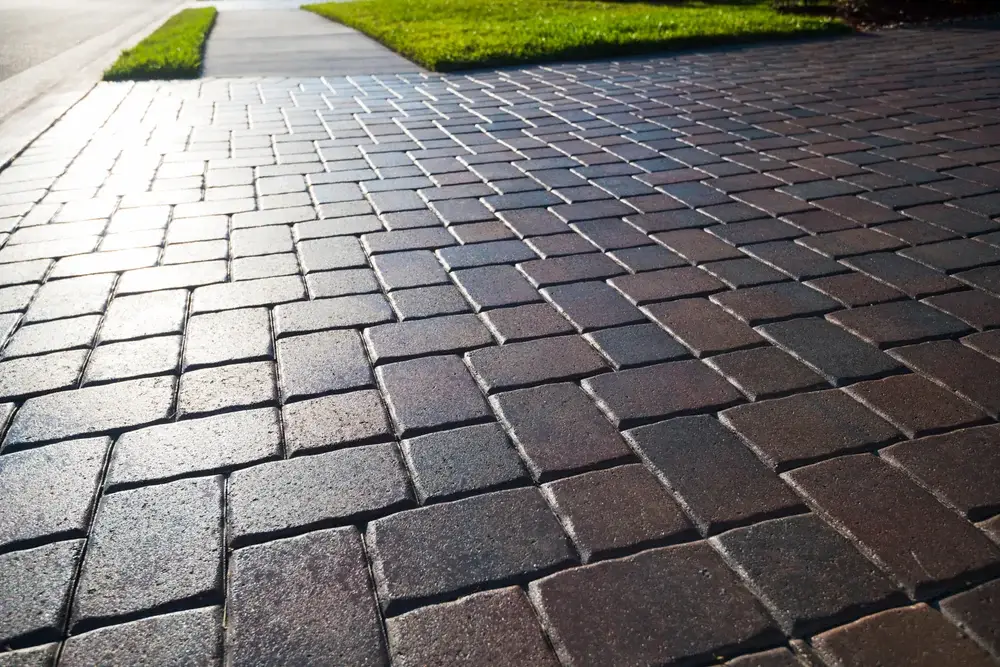
Wet look sealer enhances color and adds a slight sheen to the surface. It makes pavers look darker, richer, and more vibrant—similar to how they look right after rain. This finish works well if you want a polished, high-end appearance or if your pavers have faded significantly and you want to bring back that original depth.
Natural matte finish protects without changing the appearance. Your pavers keep their original color and texture, but they’re shielded from UV damage, moisture, stains, and organic growth. This option is popular with homeowners who like the current look and just want protection.
Both finishes offer the same level of protection against Florida’s weather. The choice comes down to aesthetics. Some people love the dramatic color boost from a wet look. Others prefer the understated protection of a matte finish. Neither option is better—it’s about what you want your outdoor space to look like.
Sealing brings back a lot of the color that UV exposure stole, especially if you choose a wet look finish. It won’t make severely damaged pavers look brand new, but the difference is significant. Most homeowners are surprised by how much color returns once the sealer goes on.
Stains are a different situation. We treat and remove stains during the cleaning process before sealing. Oil stains, rust, organic stains from leaves or algae—most come out with the right cleaning methods. Once they’re gone, the sealer prevents new stains from absorbing into the paver surface.
If pavers are cracked, sunken, or structurally damaged, sealing won’t fix that. We’ll point out any issues during the inspection so you know what you’re working with. In most cases, faded and stained pavers respond well to professional cleaning and sealing. You’re looking at restoration, not replacement.
Not if the job is done right the first time. Commercial-grade sealers like Seal ‘n Lock last two to three years in Florida’s climate, so you’re looking at resealing every couple of years, not annually.
The confusion comes from cheaper sealers that break down quickly. Some products only last six to eight months in high-humidity, high-UV environments like Weeki Wachee Gardens, FL. If you’re using those, then yes, you’d be resealing constantly. That’s not a maintenance schedule—it’s a product failure.
Driveways and high-traffic areas may need attention sooner than low-traffic patios or walkways. We’ll give you a realistic timeline based on your specific pavers, their location, and how much use they get. Most homeowners are resealing every two to three years and getting solid protection during that time.
Unsealed pavers absorb everything. Water, oil, food spills, dirt, algae, mildew—it all soaks in because there’s no protective barrier. Over time, that absorption leads to staining, discoloration, and surface degradation that’s difficult or impossible to reverse.
Florida’s UV rays are relentless. Without sealer, pavers fade unevenly, dry out, and lose their original color. Lighter pavers show wear and staining more obviously. Darker pavers absorb heat and can become uncomfortably hot to walk on.
Joint sand erodes without sealer to stabilize it. Once that sand is gone, weeds push through, ants move in, and pavers start shifting. You’ll spend weekends pulling weeds and refilling joints, only to have the same problems return a few weeks later. Sealing prevents most of that by locking the sand in place and creating a barrier against organic growth.
Wait at least 60 to 90 days after installation before sealing new pavers. They need time to cure and for any efflorescence—that white, powdery residue—to surface and get cleaned off. Sealing too early traps moisture and salts under the sealer, which leads to haze, discoloration, and premature sealer failure.
Some installers will seal immediately after laying pavers. That’s a mistake. The pavers haven’t had time to settle, the joint sand hasn’t stabilized, and any moisture trapped in the base can cause problems once the sealer goes on.
If you’ve just had pavers installed in Weeki Wachee Gardens, FL, give them a full season to weather. Let them go through some rain, some sun, and some humidity. Clean off any efflorescence that appears, then seal. You’ll get better adhesion, longer-lasting protection, and a finish that doesn’t develop issues six months later.
Useful Links
Other Services we provide in Weeki Wachee Gardens