Not sure whether concrete or brick pavers are right for your patio, driveway, or pool deck? Here's what actually matters before you decide.
Share:
Summary:
If you’ve spent any time researching pavers online, you’ve probably read the same article ten different times — just published under ten different names. Freeze-thaw resistance. Curb appeal. “Both have pros and cons.” None of it tells you what you actually need to know if you’re a homeowner in Crystal River, Homosassa, or Inverness trying to figure out which surface is going to hold up on your patio or driveway for the next 20 years.
The material debate is real. But it’s the second decision. The first one — the one most people don’t know to ask about — is who’s installing it and how. We’ll get to both.
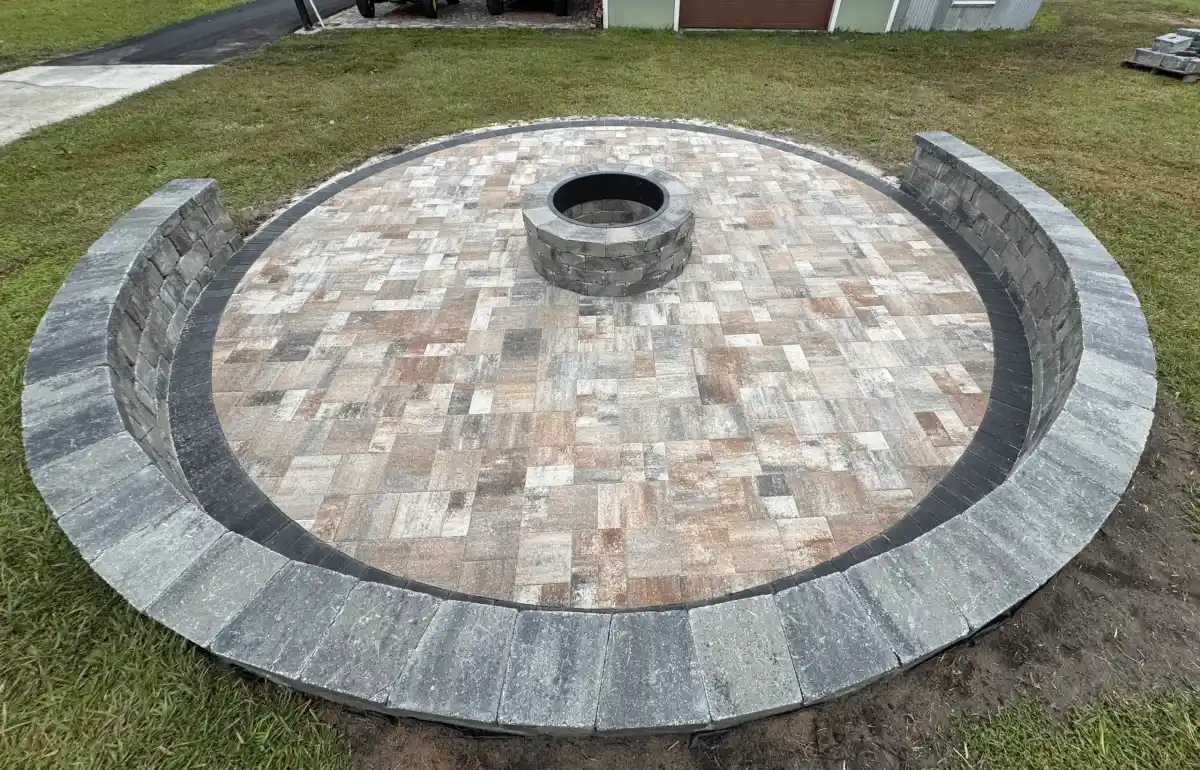
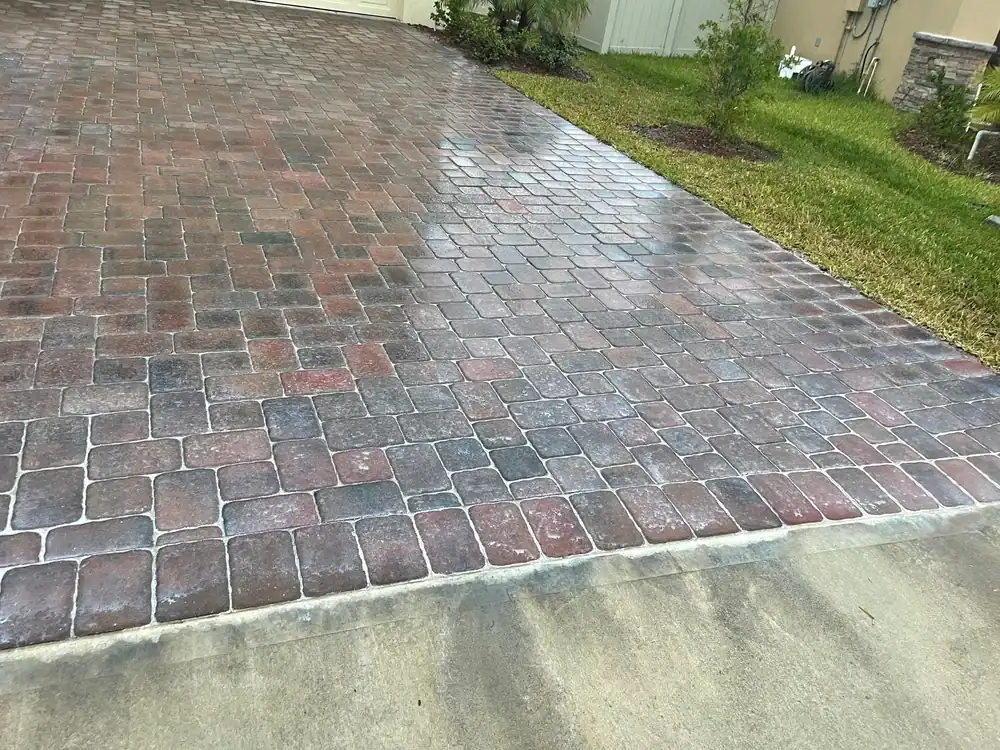
Brick pavers are made from natural clay that’s been kiln-fired at high temperatures. That firing process bakes the color all the way through the material, which means UV exposure doesn’t fade them the way it can fade surface-pigmented concrete. They’re dense, durable, and have a classic look that holds up well in Florida’s heat — but they’re mostly available in one shape: a rectangular unit roughly 4 inches by 8 inches.
Concrete pavers are engineered products made from cement, aggregate, and pigment. Premium manufacturers like Belgard and Tremron produce concrete pavers that reach compressive strengths of around 8,000 PSI — nearly three times stronger than standard poured concrete. They come in a far wider range of sizes, shapes, and finishes, which gives you a lot more flexibility in terms of design. The tradeoff is that their surface color can fade over time without proper sealing, especially in Florida’s intense sun.
The freeze-thaw cycle argument that dominates a lot of paver content is completely irrelevant in Citrus County. That’s a northern climate concern. What actually matters here is how a material handles UV exposure, heavy summer rain, and the sandy, shifting soils that run throughout the county’s coastal and inland areas.
On moisture, concrete pavers have a slight edge. They absorb less water than clay brick in humid conditions, which means they’re less likely to heave or shift after a hard rainy-season storm. Florida’s rainy season runs June through September, and anyone who’s watched a poorly installed driveway sink and separate after a few good downpours understands why drainage and material choice matter.
Brick pavers, on the other hand, have a natural advantage when it comes to color stability. Because the pigment is fired through the clay rather than mixed into a surface layer, brick holds its appearance longer without sealing. For homeowners who want a low-maintenance surface with a traditional look, that’s a meaningful benefit.
Both materials can last 25 to 50 years in Citrus County when they’re installed correctly. That last part carries a lot of weight. A paver project that fails in five years almost always comes down to base preparation — not the material itself. A proper base includes compacted aggregate sub-base, correct grading for drainage, and a properly bedded sand layer. Shortcuts there are the single biggest cause of pavers settling, shifting, and looking terrible within a few years of installation. The material you choose matters less than whether the person installing it knows what they’re doing.
One more thing worth mentioning: both concrete and brick pavers share an advantage that poured concrete simply can’t match. If a single unit gets damaged, you can lift it and replace it without touching the rest of the surface. A cracked concrete slab has to be patched — and patches never match — or torn out entirely. That repairability factor is a genuine long-term cost advantage for both paver types.
At the material level, yes — brick pavers typically run 20 to 30 percent more than comparable concrete pavers. But total project cost isn’t just about the material. Labor factors in too, and brick is harder to cut than concrete, which means more time and precision required on-site. Complex patterns and tight angles take longer with clay than with engineered concrete units.
Concrete pavers installed generally run $10 to $30 per square foot depending on the product and the complexity of the project. Standard poured concrete lands between $4 and $15 per square foot installed, which looks like a clear win upfront — until you factor in what happens when it cracks. Stamped or decorative concrete sits in the $12 to $25 per square foot range installed, which puts it closer to pavers in cost while offering less long-term flexibility.
The more useful number is total cost of ownership over 10 to 20 years. Concrete pavers need to be professionally sealed within 6 to 12 months of installation and then again every 2 to 5 years. Using the wrong sealer — or skipping it — can trap moisture, discolor the surface, or make it slippery. Brick pavers sealed every five years or left unsealed (their natural density makes them more stain-resistant than concrete without a sealer) have a lower sealing maintenance burden. Porcelain pavers, which we’ll cover shortly, require no sealing at all.
For Citrus County homeowners — where nearly 9 in 10 residents own their home and median property values sit around $245,500 — paver installations are a real investment in the long-term value and livability of the property. Getting the cost picture right from the start means looking beyond the square foot price on a quote and thinking about what you’ll spend (or won’t spend) over the next two decades.
Want live answers?
Connect with a MainStreet Landscaping expert for fast, friendly support.
Poured concrete is cheaper upfront. That’s just true. If you’re comparing raw installation cost, a standard concrete slab will come in below a paver installation almost every time. But “cheaper to install” and “cheaper to own” are two different conversations, and most homeowners don’t realize that until a few years in.
Stamped concrete is where things get particularly interesting — and where a lot of buyers get misled. It looks like a middle-ground option: decorative, more affordable than pavers, and visually similar to higher-end surfaces. But there are some real limitations worth understanding before you commit.
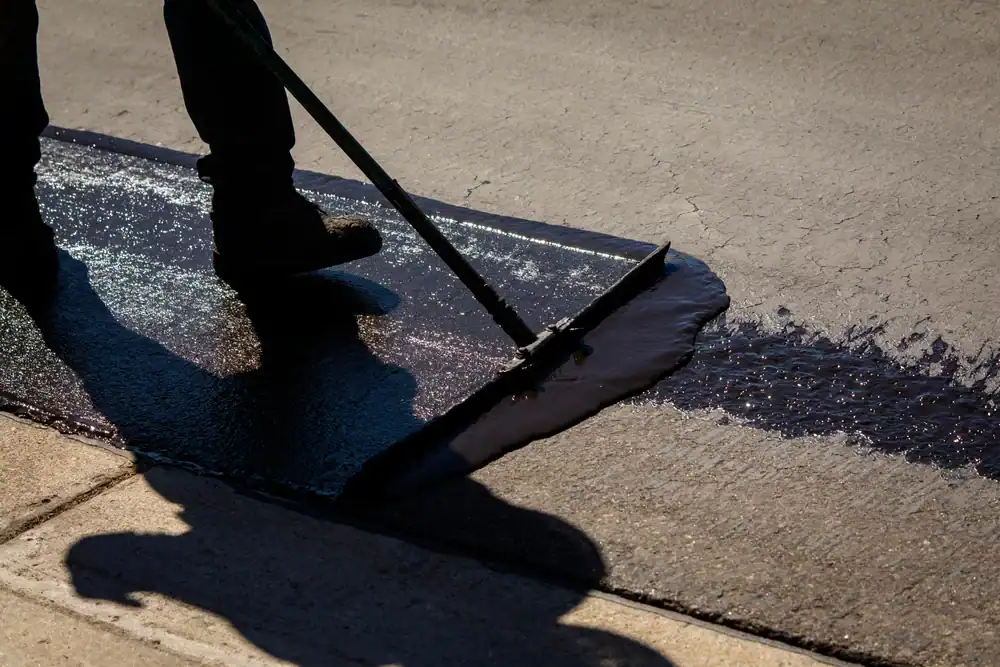
Stamped concrete is poured as a single slab, just like regular concrete. The difference is that texture and color are applied to the surface before it cures — pressed in with stamps to mimic the look of brick, stone, or tile. It can look impressive when it’s new. The problem is what happens over time.
Because it’s a single continuous slab, any crack in stamped concrete affects the whole surface. And in Citrus County, where sandy soils shift and settle — especially after the heavy rains that roll through from June to September — ground movement is a real factor. Pavers flex with that movement because they’re individual interlocking units. A stamped slab doesn’t flex. It cracks.
When stamped concrete cracks, the repair is almost impossible to make invisible. The color, texture, and pattern rarely match after patching, which means you’re either living with a visible repair or looking at a full replacement.
Stamped concrete also requires sealing more frequently than most homeowners expect — typically every one to three years to maintain its appearance and prevent surface degradation. The sealer itself can make the surface slippery when wet, which is a legitimate safety concern for pool decks and areas that see regular foot traffic in the rain.
Regular (non-stamped) poured concrete is the most affordable option upfront and works fine for purely functional surfaces. But it offers no design flexibility, no repairability, and no ability to adjust individual sections if something shifts or settles. For a driveway or patio you’re going to look at every day, that matters.
The bottom line: stamped concrete is often sold as a budget-friendly alternative to pavers, but the long-term cost of repairs, resealing, and potential replacement can close that gap faster than most people expect — especially in Florida’s climate.
Porcelain pavers are made from dense clay fired at extremely high temperatures — higher than brick — which makes them nonporous. No sealing required. Ever. They don’t absorb water, which means no staining, no mold or mildew buildup, and no color degradation from UV exposure. For a pool deck in Citrus County that’s going to see year-round use, that combination of qualities is hard to beat.
They can also be manufactured to mimic natural stone, wood grain, or concrete aesthetics with a level of precision that other materials can’t match. Slip-resistant textured finishes are available, which matters a lot around water. And because they’re nonporous, pool chemicals don’t affect the surface the way they can affect concrete or even sealed brick.
The tradeoffs are real, though. Porcelain costs more upfront than concrete pavers, and installation requires more precision. The material is harder to cut, which means the installation crew needs to know what they’re doing — particularly around curves, angles, and pool coping. A crew that’s comfortable with concrete pavers isn’t automatically ready to install porcelain correctly.
For homeowners in communities like Beverly Hills, Lecanto, or Citrus Springs who are building a premium outdoor living space and want the lowest possible long-term maintenance commitment, porcelain is worth the conversation. For someone working with a tighter budget who still wants a quality, durable surface, concrete pavers from a manufacturer like Belgard or Tremron — properly installed and properly sealed — will serve you well for decades.
The honest answer is that there’s no universal “best” material. There’s the right material for your specific project, your budget, your maintenance preferences, and how you actually use the space. That’s the conversation worth having before anyone pulls out a contract.
As an authorized contractor for Tremron, Flagstone, and Belgard — and the exclusive Seal ‘n Lock distributor in Citrus County — we work with the full range of these materials on a regular basis. We know which products perform in this specific climate, and we know what proper installation looks like because we’ve been doing it here since 1995.
Concrete pavers and brick pavers are both solid choices for Citrus County homeowners — when they’re installed correctly. The material you choose affects aesthetics, maintenance, and long-term cost. But the installation quality determines whether any of that holds up five, ten, or twenty years from now.
If you’re comparing options for a patio in Homosassa, a driveway in Crystal River, or a pool deck in Inverness, the most useful thing you can do is talk to someone who’s actually worked with all of these materials in this climate — not someone reciting a generic comparison guide.
Mainstreet Landscaping has been doing exactly that in Citrus County since 1995. If you’re ready to figure out which material makes sense for your specific project, we’re straightforward to reach and happy to walk through it with you.
Article details:
Share:
Continue learning: