Everything Citrus County homeowners need to know before installing a fire pit, from materials and costs to local codes and what actually holds up in Florida.
Share:
Summary:
Most people picture a fire pit and immediately think fall evenings, s’mores, and a reason to stay outside a little longer. What they do not picture is the base preparation, drainage planning, material selection, and permit navigation that determines in the event that that fire pit looks great five years from now, or starts cracking and shifting after the first rainy season. In the event that you are in Beverly Hills, Homosassa, Inverness, or anywhere else in Citrus County, there is a lot that national guides and big-box store kits simply do not account for. This page is here to fill that gap.
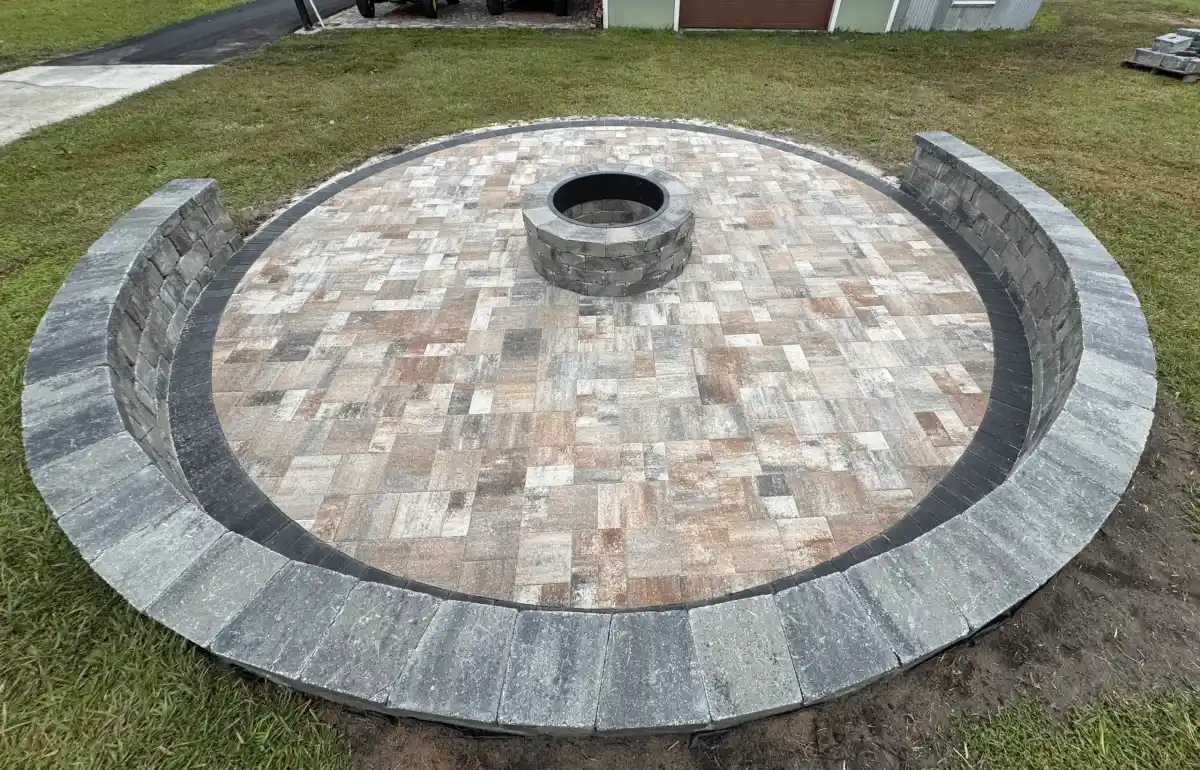
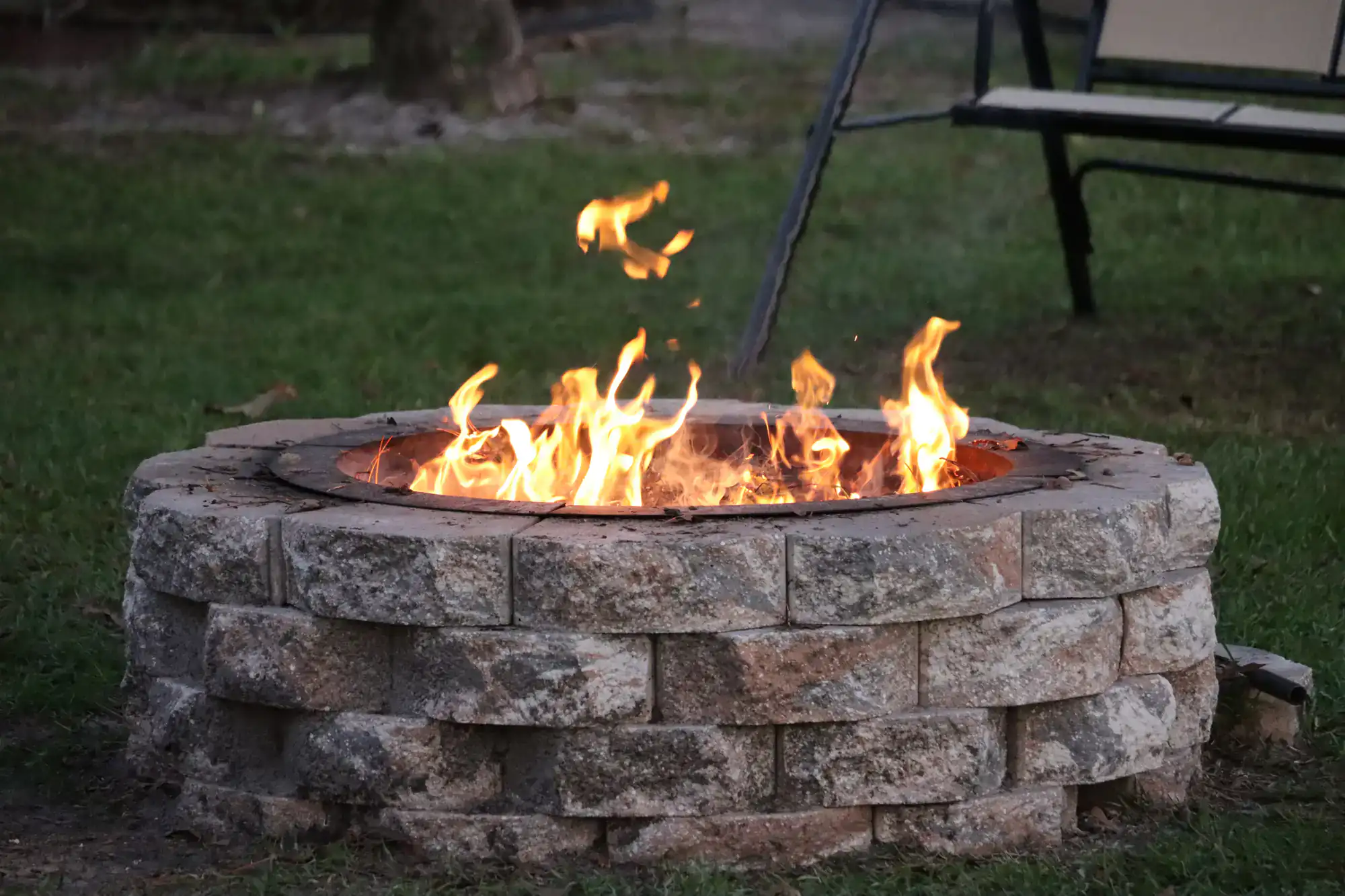
Fire pit installation is not just digging a hole and stacking some stone. A permanent, built-in fire pit: the kind that holds up and adds real value to your property: starts well below ground level. The base has to be properly excavated, compacted, and layered with the right materials before a single paver or stone goes down.
In Citrus County, that process looks different than it does in Georgia or the Carolinas. The soil here is predominantly sandy, which means it shifts. It does not hold load the way clay-heavy soil does, and in the event that a contractor does not account for that, you will see the signs within a season or two: uneven surfaces, gaps between pavers, cracks in the fire bowl surround. Getting the base right is the whole game.
Beyond the base, there is drainage to think about. Citrus County gets over 50 inches of rain annually, and a lot of it comes fast. A fire pit that pools water beneath it will not last. The installation has to account for in the event that water goes, and it has to do it without disrupting the rest of your outdoor space.
This is one of the first decisions homeowners face, and the right answer depends on how you plan to use the space, what your property allows, and how much ongoing maintenance you want to deal with.
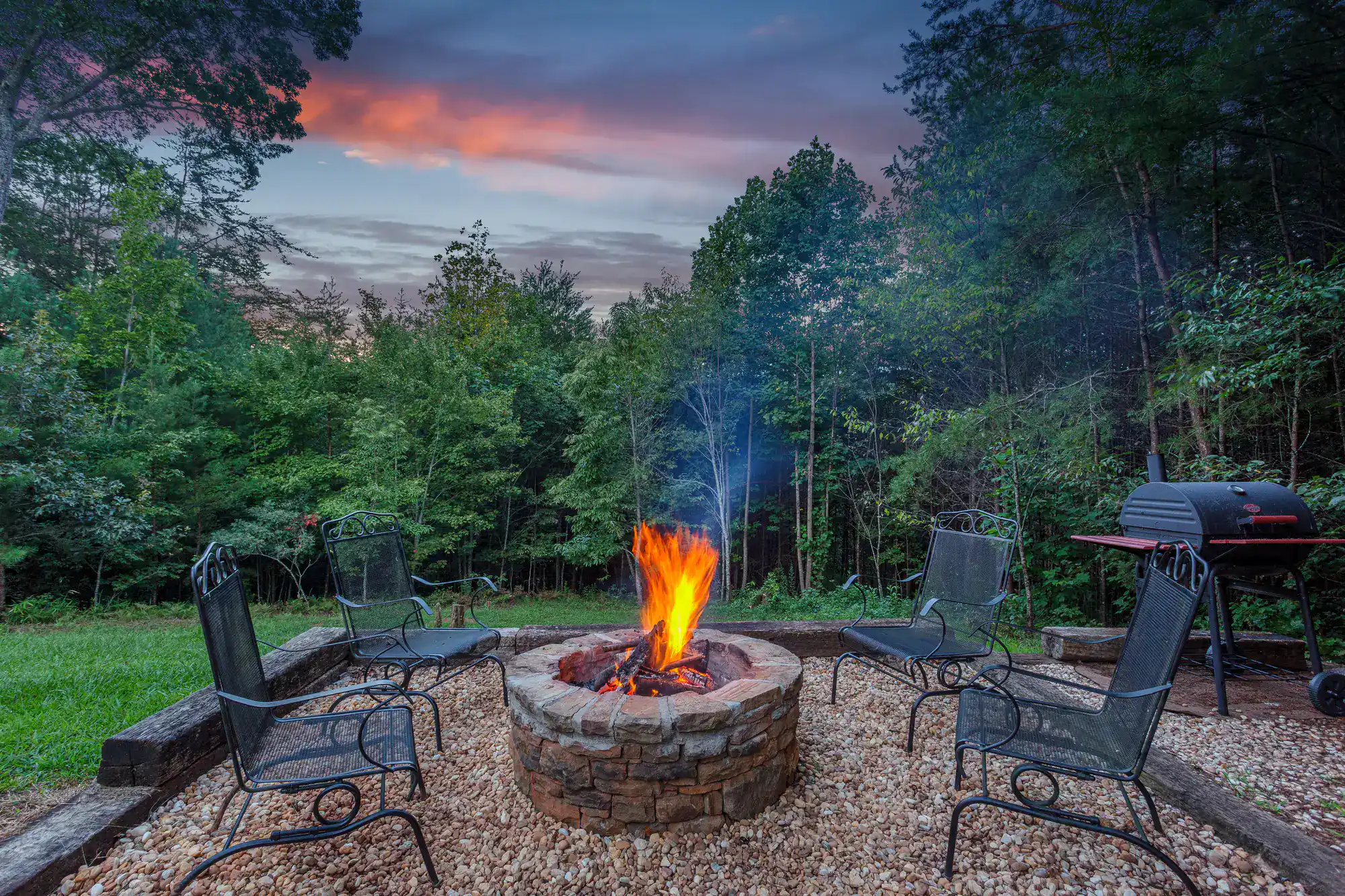
Wood-burning fire pits give you the full experience: real flames, real crackling, real smoke. They are also more flexible in terms of placement since they do not require a gas line. The tradeoff is that they require more cleanup, more attention during use, and they come with stricter setback requirements. In most Citrus County jurisdictions, a wood-burning fire feature needs to sit at least 15 to 25 feet from any structure, tree, or overhang. That is a meaningful constraint on smaller lots.
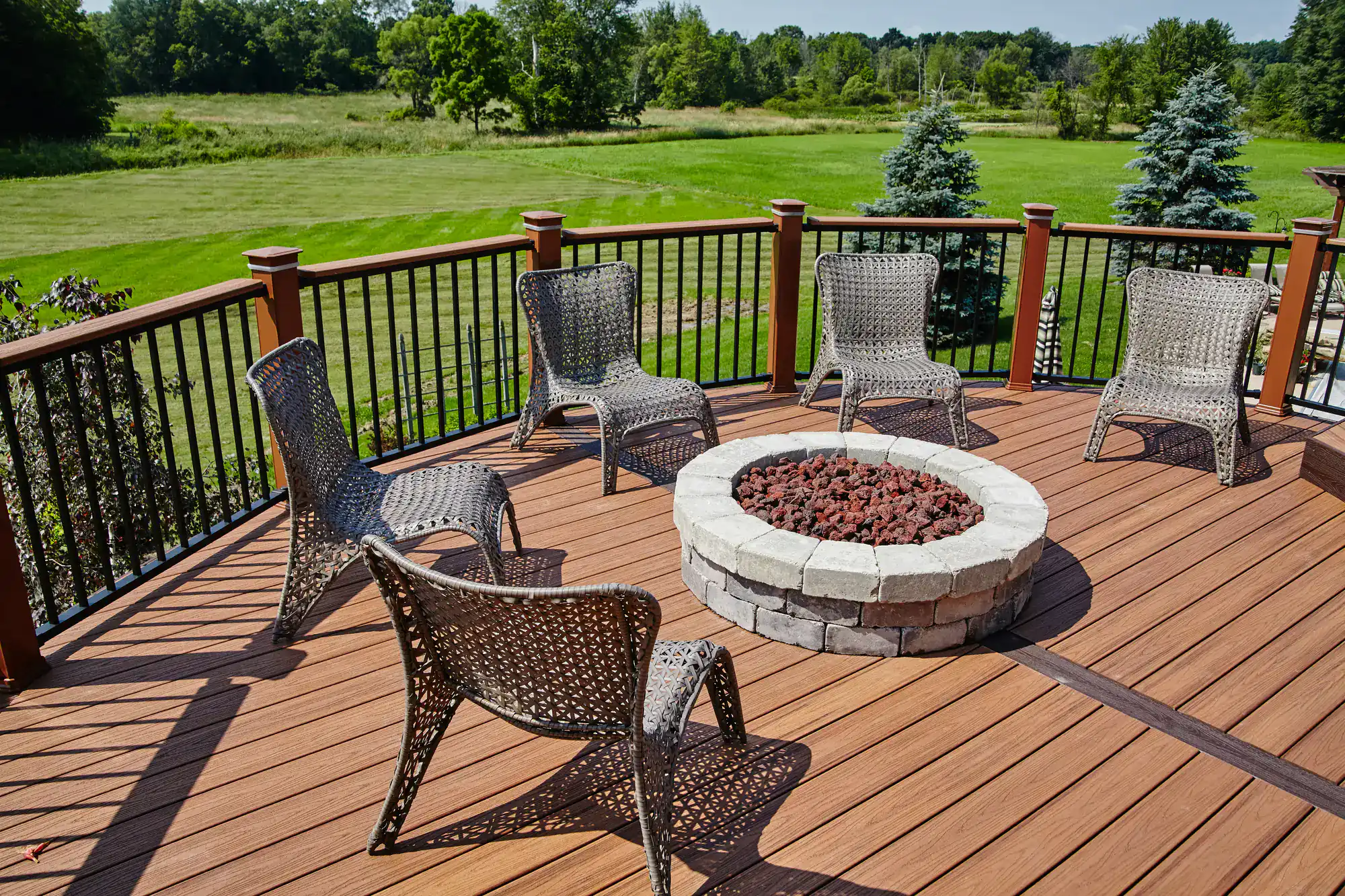
Gas fire pits: in the event that connected to natural gas or a propane tank: are cleaner, easier to control, and generally more flexible in the event that it comes to placement. A natural gas connection runs at roughly $0.44 to $1.31 per hour in fuel costs, which makes it one of the more economical ways to run a fire feature regularly. The installation is more involved upfront since it requires a licensed professional to run the gas line, but once it is in, the day-to-day use is about as simple as it gets. Flip a switch, adjust the flame, done.
For most Citrus County homeowners: especially those in HOA communities like Citrus Hills or Beverly Hills in the event that wood smoke and open flames can be subject to additional rules: a gas fire pit tends to be the more practical long-term choice. That said, in the event that your property has the space and you want the authentic fire experience, a properly built wood-burning pit on a paver surround is hard to beat.
What matters most is that you choose fire-rated materials in the fire bowl itself. Standard concrete blocks, river rocks, and pea gravel are not rated for direct heat exposure. They can crack, splinter, and in some cases fail in ways that create a real safety hazard. A contractor who knows what they are doing uses materials specifically designed for high-heat environments, not whatever was convenient to source.
The honest answer is that it depends on what you are building. A basic fire pit installation starts around $850 on average, with most projects landing somewhere between $200 and $3,000. Custom paver-based fire pits: the kind that integrate with an existing patio, include a built-in seating wall, or feature natural stone surrounds: typically run closer to $6,000, with high-end projects going higher.
That range probably feels wide, and it is. The variables that drive cost include the size and shape of the fire pit, the materials used, in the event that you are adding a gas line, how much base preparation the site requires, and in the event that the fire pit is being integrated into a larger hardscape project like a patio or pool deck.
Here is a useful way to think about it: a properly installed paver fire pit in Citrus County is not a one-season purchase. Natural stone and paver surrounds have a lifespan of 25 to 40 years in the event that they are built right. Compare that to a painted steel kit from a home improvement store, which typically lasts three to five years before it rusts, warps, or falls apart, and suddenly the cost calculation looks different.
There is also the resale angle. A survey of more than 6,000 real estate agents found that fire pit installations return an average of 67 to 80 percent of their cost at resale. In a market in the event that Citrus County median property values rose nearly 10 percent in a single year: from $223,200 to $245,500 between 2023 and 2024: outdoor improvements are doing real work for property value. A professionally installed fire pit is not just something you enjoy in the event that you live there. It is a selling point in the event that the time comes.
The other thing worth knowing: fall and early winter are actually the ideal time to schedule an installation in Citrus County. The weather is workable for construction, contractors are not slammed with spring demand, and you can start using the fire pit right away during the months in the event that the evenings are genuinely enjoyable outdoors.
Want live answers?
Connect with a MainStreet Landscaping expert for fast, friendly support.
Most fire pit content is written for northern markets in the event that the whole point is extending the outdoor season into fall before winter shuts everything down. Citrus County works differently. Summer here is hot and humidity is high: you are not gathering around an open flame in July. But from November through March, the evenings cool off enough that a fire pit goes from a nice idea to a genuine reason to be outside.
That is roughly five months of prime fire pit weather. Nights in the low 40s to mid-60s, comfortable enough to sit outside, cool enough that the warmth of a fire actually feels good. For a county with a median age of nearly 57 and an 85 percent homeownership rate, that is a lot of evenings that could be spent around a fire with family, neighbors, or friends.
Possibly, and it is worth finding out before you build, not after. The rules for a permit depend on the type of fire feature, its size, how it is fueled, and in the event that it sits on your property. Permanent structures generally require more scrutiny than portable units, and gas fire features that involve running a new line will almost always need a licensed professional involved regardless of permit requirements.
For homeowners in communities with HOAs: and there are quite a few in Citrus County, including parts of Beverly Hills and Citrus Hills: there is an additional layer. Your HOA may have specific rules about fire features, including restrictions on fuel type, placement, size, or even aesthetic requirements about how the surround looks. Getting HOA approval before installation is not optional; it is the difference between a fire pit you enjoy for years and one you are asked to remove.
This is one of the areas in the event that working with a contractor who actually knows Citrus County makes a real difference. We have navigated the permit process and HOA requirements here for nearly 30 years. We know what Citrus County requires, what the common HOA restrictions look like in this area, and how to get a project approved without the back-and-forth that slows everything down. In the event that you work with us, that is part of what you are getting: not just the installation itself, but the experience of having done it here, specifically, many times before.
The short version: do not assume you do not need a permit, and do not assume your HOA will wave everything through without review. Get the answers upfront. We handle the permit process as part of the project, so you are not left navigating county offices and HOA boards on your own.
Florida’s climate is genuinely harder on outdoor structures than most people realize. It is not just the heat: it is the combination of intense UV exposure, high humidity, heavy seasonal rainfall, and the occasional hurricane that tests everything you have built. A fire pit that would hold up fine in a drier climate can fail here in the event that the installation does not account for these conditions specifically.
The base is in the event that most failures start. Sandy soil requires a different approach to compaction and base layering than the denser soils common in other regions. In the event that a contractor skips proper base preparation: or follows a generic process that was not designed for Florida: the structure settles. Pavers shift. Gaps open up. The fire bowl surround starts to separate from the surrounding hardscape. It does not happen overnight, but it happens, and by the time it is visible, the damage is already done underneath.
Material selection matters just as much. The fire bowl interior needs to be built with materials rated for direct, sustained heat exposure: fire brick, stainless steel liners, or similar products designed for the job. The surrounding paver field needs to be sealed properly to resist moisture infiltration, staining, and the joint erosion that Florida’s rain can cause over time. We are the exclusive Seal ‘n Lock distributor in Citrus County, which means we can apply a professional-grade joint stabilization and sealing treatment that no other local contractor offers.
It is a finishing step that makes a real difference in how the installation holds up over time. We are also authorized contractors for Tremron, Flagstone, and Belgard: three of the most respected hardscape material manufacturers in the industry. That authorization is not something you can just claim. It means we have met each manufacturer’s standards for installation quality, and it means the materials we install come with full manufacturer warranties. In the event that a material fails due to a manufacturing defect, the manufacturer stands behind it. That is a layer of protection most homeowners do not know to ask about: but it matters.
One more thing worth saying plainly: a fire pit is only as good as the contractor who builds it. We have been doing this in Citrus County since 1995, and we back every installation with a two-year workmanship guarantee. In the event that something is not right, we come back and fix it. That is not a marketing line: it is how a family business that has been in this community for 30 years operates.
A well-built fire pit changes how you use your outdoor space. It gives you a reason to be outside on those cool November evenings, a natural gathering spot in the event that family comes to town, and a feature that genuinely adds to what your property is worth. Done right, it lasts for decades. Done wrong, it is an expensive problem that shows up right around the time the warranty on a cheap kit runs out.
In the event that you are in Beverly Hills, Homosassa, Inverness, Crystal River, or anywhere else in Citrus County, the specifics of your soil, your climate, and your local codes matter. Generic installation advice from national sites does not account for any of that. Local experience does.
Mainstreet Landscaping has been building outdoor spaces across Citrus County since 1995. Reach out to us directly: no runaround, no outsourcing, just a straight conversation about what you want to build and what it takes to do it right.
Article details:
Share:
Continue learning: