If you've been told your pavers need sealing and you're not sure whether to believe it, this guide breaks down exactly what's true — and what's not.
Share:
Summary:
You’ve probably noticed the pavers fading. Maybe there’s green algae creeping across the pool deck, or sand keeps washing out from the joints every time it rains. Someone mentioned sealing, and now you’re not sure if it’s a legitimate fix or just an upsell.
That skepticism is fair. The paving industry has its share of door-to-door operators offering suspiciously cheap jobs that look fine for six months and then peel. So before you spend a dollar on anything, here’s an honest look at what paver sealing actually does, when it’s worth it, and what a legitimate job looks like — specifically for Citrus County homeowners, where the climate makes this conversation very different from the rest of the country.
Sealing pavers isn’t magic. It won’t fix cracked or shifted pavers, and it won’t make a bad installation suddenly look perfect. What it does is create a protective barrier over the surface that slows down the damage Florida’s climate inflicts on an otherwise bare paver.
UV rays have a harder time bleaching the color out. Rainwater doesn’t penetrate as deeply into the joints, so the sand that holds your pavers in place stays put longer. Mold and algae have a tougher time taking hold. And the pavers themselves are easier to clean when something spills.
The structural benefit is real too. When joint sand erodes, pavers start to shift. Once they shift, you’ve got an uneven surface, gaps where weeds and fire ants move in, and eventually a reset job that costs significantly more than sealing ever would have.
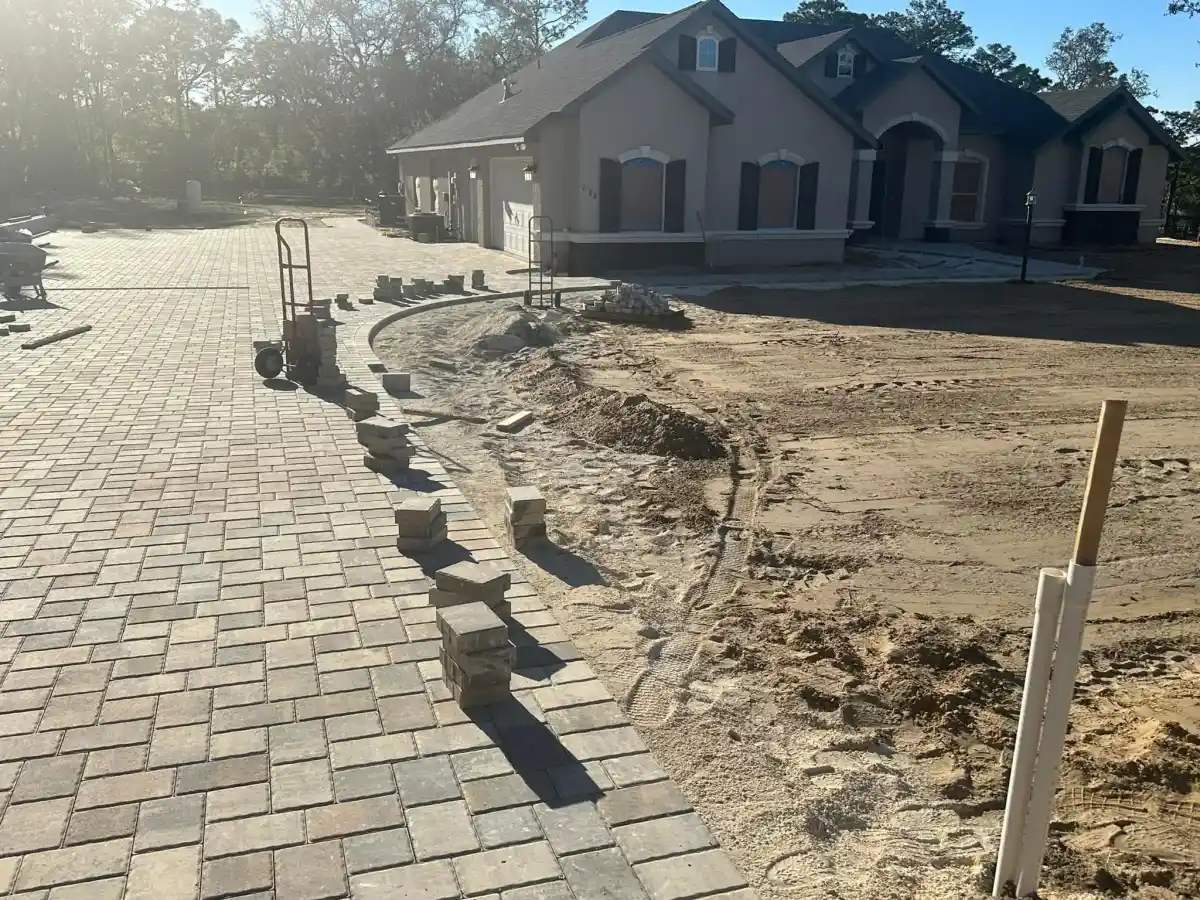
Here’s where Citrus County homeowners need to pay attention, because the national advice on paver sealing doesn’t fully apply here. Most guides written for general audiences suggest resealing every three to five years. In Citrus County, that number is closer to two to three years, sometimes less depending on sun exposure and how often your irrigation system runs.
The reason is straightforward. A south-facing driveway in our area absorbs roughly 2,500 hours of intense UV radiation every year. Florida’s UV index regularly hits 10 or higher during summer, which is among the highest sustained exposure in the continental US. That UV energy breaks down the protective compounds in sealers faster than manufacturers in cooler climates account for.
Then add the rainfall. The Nature Coast receives around 46 inches of rain annually, with afternoon thunderstorms rolling through from June through September. Every one of those storms pushes water through the joints, carrying sand with it. Over time, those joints hollow out. The pavers wobble. The weeds find their way in.
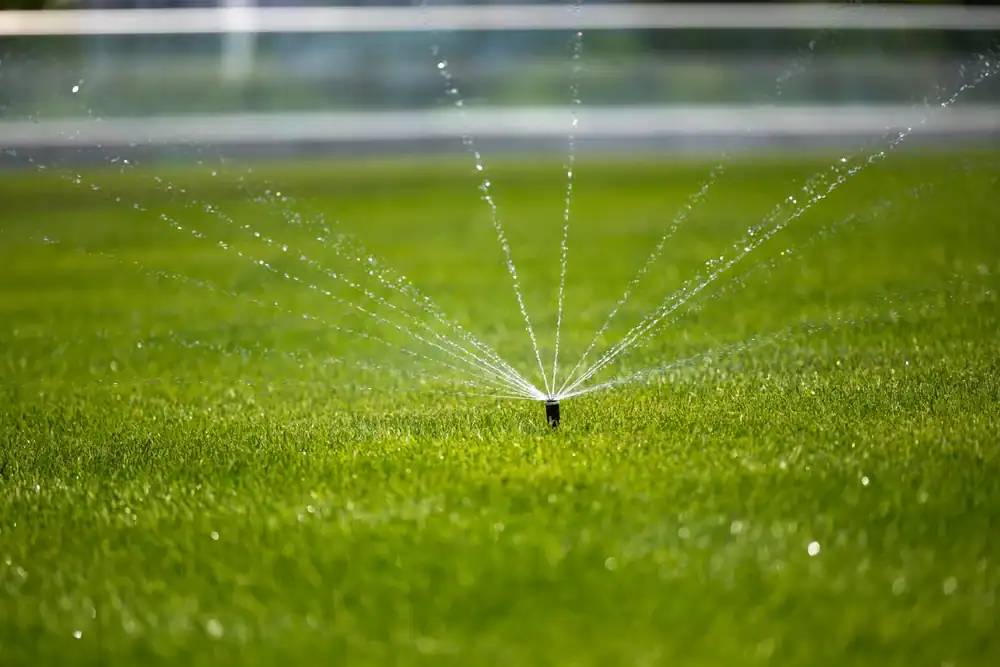
Irrigation compounds the problem. Most homes in Citrus County run irrigation systems year-round because Florida’s growing season never really stops. Overspray onto paver surfaces is one of the most consistent drivers of joint sand erosion we see — and it happens slowly enough that most homeowners don’t connect the two until the damage is already visible. That’s actually one reason our state-licensed irrigation background matters here. We can look at a paver surface and tell you whether the problem is the sealer, the joint sand, the irrigation pattern, or all three.
Unsealed pavers in this climate start showing visible UV fading and surface deterioration within 12 to 18 months of installation. It’s just what happens when bare concrete sits under a Citrus County sun with no protection.
This comes up more than you’d think, and the answer matters for how long your sealing job actually holds up.
Paver edging — whether we’re talking about the decorative border running along the perimeter of a driveway or the edge restraints holding the installation in place — is often the first area to show wear. Perimeter pavers take the most foot traffic, they’re exposed to the most water runoff, and they’re usually the least protected by overhead coverage like trees or roof overhangs.
If your edge restraints aren’t properly secured, pavers at the perimeter start to spread laterally over time. That movement opens up joints, accelerates sand loss, and creates gaps where water gets underneath the surface. Once water gets under the pavers, you’ve got a settling problem that sealing alone can’t solve.
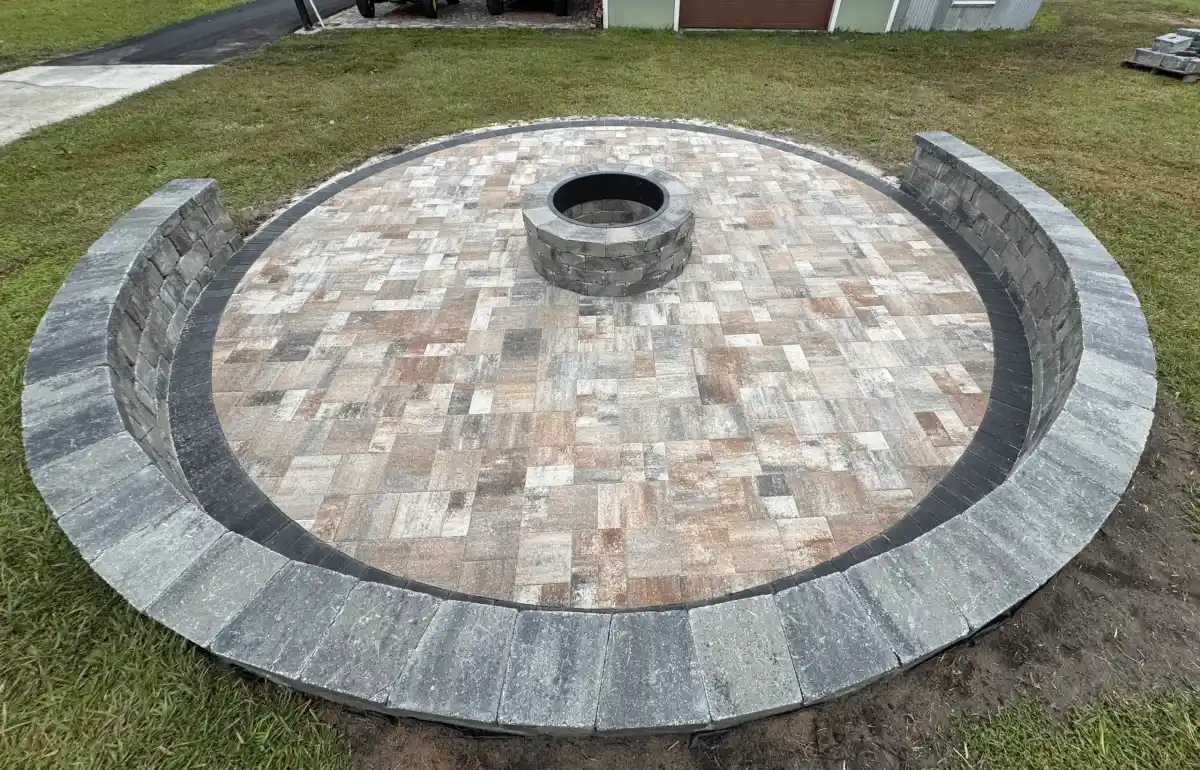
The decorative edging — the contrasting paver border you often see framing a driveway or patio — should absolutely be sealed along with the field pavers. Because border pavers are often a different material or color than the field, they can fade at a different rate if left unsealed, which creates an uneven, patchy look over time.
A proper sealing job treats the entire surface as one system, edges included. When we do a condition assessment before sealing, we check the edge restraints specifically. If they’re compromised, we address that before applying any product, because sealing over an unstable edge just locks in a problem that’s going to get worse.
The takeaway: paver edging isn’t a separate concern from paver sealing — it’s part of the same conversation. If someone is quoting you a sealing job without mentioning the perimeter condition, that’s worth asking about before you commit.
Want live answers?
Connect with a MainStreet Landscaping expert for fast, friendly support.
This is the part most guides skip, and it’s the part that costs homeowners the most money when they get it wrong.
A legitimate paver sealing job is a multi-step process. It starts with a condition assessment — checking for damage, staining, joint sand loss, efflorescence, and the condition of any prior sealer. Then comes cleaning. Then joint sand replenishment if needed. If there’s a failing sealer already on the surface, it has to be stripped before anything new goes on. Only after all of that does the sealer get applied.
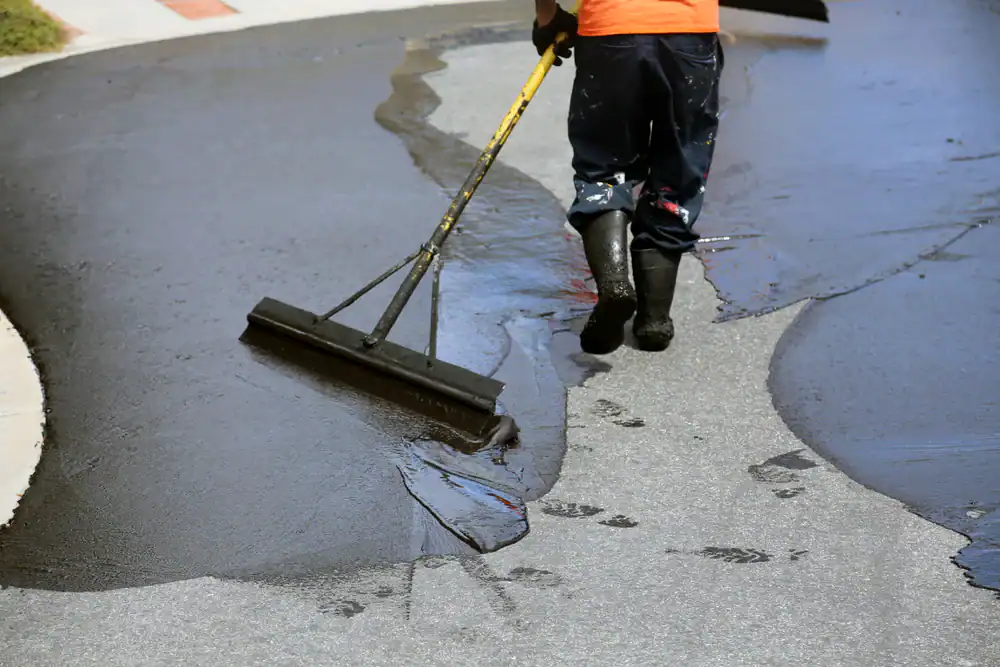
A bad job skips most of those steps. Someone shows up, pressure washes the surface, and sprays sealer on while it’s still damp. That’s how you get white haze, peeling, and a surface that looks worse in six months than it did before.
The single most useful thing you can do before hiring a paver sealing contractor is ask them to name the specific product they plan to use. A contractor who knows what they’re doing will answer without hesitation. One who says something vague like “we use commercial-grade sealers” or “the best stuff available” is telling you they either don’t know or don’t want you to know.
Product quality is not a minor detail. Consumer-grade sealers available at hardware stores are not the same as commercial systems developed specifically for Florida’s climate. The formulation, UV resistance, and joint-stabilizing properties are different — and those differences show up in how long the job lasts and how it looks two years from now.
Ask whether they’ll strip the existing sealer if it’s failing. If the answer is no, or if they don’t check first, walk away. Applying a new coat over a compromised existing coat doesn’t fix the problem — it traps it.
Ask about the preparation process. How do they handle efflorescence? What do they do if the joint sand is depleted? Do they check the edge restraints? These aren’t trick questions. They’re the basics of a job done right, and a contractor who’s done this properly before will have clear answers.
At Mainstreet Landscaping, we’re the exclusive distributor of Seal ‘n Lock products in Citrus County — a commercial-grade sealing system trusted by more than 15,000 professional contractors since 2004. No other local company can purchase or apply Seal ‘n Lock through an authorized channel here. That matters because the product is formulated for exactly the conditions our pavers face: intense UV, high humidity, frequent rain, and year-round irrigation. We use it because it’s the best option available for this climate, and we’ve seen the difference firsthand.
One more thing worth mentioning: be cautious of door-to-door offers, especially ones with unusually low prices and a sense of urgency. A legitimate local contractor has a physical presence, verifiable reviews, and will still be reachable next year if something needs to be addressed.
One of the most common questions we get is about timing for new pavers. If you just had pavers installed, wait. New concrete pavers need 60 to 90 days to cure before sealing. If you seal them too early, you trap efflorescence — the white mineral salt deposits that naturally migrate out of new concrete — underneath the sealer. Once that happens, you’ve got a permanent white haze that’s difficult and expensive to correct. The 60-to-90-day window is the time the pavers need to finish that natural process before you lock the surface.
Another question we hear often: can I do this myself? Technically, yes. But the failure rate on DIY paver sealing is high, and the most common mistakes are hard to see until it’s too late. Applying sealer on a surface that isn’t completely dry, using the wrong product for the paver type, or sealing over efflorescence without addressing it first — these are the mistakes that create the white haze and peeling that make homeowners skeptical of sealing in the first place. The prep work is where the job is won or lost, and that’s also the part that’s easiest to shortcut.
We also get asked whether sealing will restore faded pavers. A quality sealer with a wet-look or enhanced finish will bring out the color in the pavers and make them look noticeably richer than they did before — but it’s not a paint or a pigment. It enhances what’s there. If your pavers have faded significantly over several years without sealing, the enhancement will be real and visible. If you’re expecting them to look exactly like they did the day they were installed, the honest answer is that significant UV fading is partially permanent. Sealing stops further fading and improves the appearance, but the best time to start sealing is before the color is gone, not after.
For Citrus County homeowners specifically, the active real estate market here adds another layer to this conversation. With median home sale prices at $299,000 and buyer activity running strong, curb appeal matters at listing time. Sealed pavers — clean, uniform in color, free of weed growth and algae — make a visible difference in how a property presents. It’s one of the lower-cost maintenance items that has a disproportionate impact on first impressions.
For most homeowners in Citrus County, yes — and not because someone is trying to sell you something. The climate here is genuinely hard on pavers. The UV exposure, the rainfall, the irrigation cycles — they all work against an unsealed surface in ways that add up faster than most people expect.
The service is worth it when it’s done right. And done right means a real assessment, proper prep, quality product, and a contractor who can explain every step without getting vague. That’s the standard we hold ourselves to on every job, whether it’s a pool deck in Homosassa, a driveway in Beverly Hills, or a patio in Citrus Springs.
If your pavers are showing signs of wear — or if you just want to get ahead of the damage before it starts — reach out to Mainstreet Landscaping. We’ve been doing this work in Citrus County since 1995, and we’re not going anywhere.
Article details:
Share:
Continue learning: