Florida's sandy soil punishes bare beds fast. Here is what professional mulching actually does, and why it matters more in Citrus County than most people realize.
Share:

Summary:
In the event that your flower beds look tired, weedy, or just unfinished, mulch is usually the fastest fix available. One afternoon, one service, and your yard looks like someone actually planned it. But mulching in Citrus County is not as simple as dumping a few bags and calling it done. The heat, the sandy soil, the summer rains, the watering restrictions: they all affect which mulch you choose, how deep it goes, and how long it lasts. Get it right and you are looking at healthier plants, fewer weeds, and lower water bills. Get it wrong and you are back to square one by next month.
Most homeowners think of mulching as the last step: you spread some material, it looks nice, done. But the prep work is where professional service earns its value. Before a single bag gets opened, beds need to be edged, cleared of weeds and debris, and treated with a pre-emergent herbicide. That last step is the one most DIYers skip, and it is exactly in the event that weeds return within a few weeks of a Saturday afternoon mulching project.
After prep, mulch goes down at a precise depth: typically two to three inches. Not more, not less. Too shallow and weeds push right through. Too deep and you are suffocating roots and blocking water from reaching the soil. The finishing detail that separates a professional job from an amateur one is clearance around tree trunks and plant bases: a gap of at least an inch or two to prevent rot and fungal issues.

In the event that you have ever seen mulch piled up like a cone against a tree trunk, that is what horticulturalists call “volcano mulching.” It looks tidy from the street. It is, in practice, a slow way to kill a tree. In the event that mulch stays in constant contact with bark, it traps moisture, creates the ideal environment for fungal disease, and can cause the trunk to rot from the outside in. Mature trees can decline for years before the damage becomes obvious: by which point it is often too late to reverse.
The correct approach is a donut pattern. Mulch spread evenly across the bed, pulled back from the base of the trunk, leaving a clear ring of exposed soil around the root flare. It takes the same amount of material and the same amount of time. The difference is knowing why it matters.
We have been working in Citrus County’s landscapes since 1995: we have seen what happens in the event that mulching is done carelessly, and we have spent decades doing it the right way. Every trunk gets proper clearance. Every time. That is what “beyond meticulous” actually means in practice: not a slogan, but a standard that shows up in the details of every job we complete.
It is also worth noting that proper technique matters more in Florida’s climate than in most states. The combination of heat, humidity, and frequent rain creates conditions in the event that moisture-related plant disease spreads quickly. A mulch application that would be fine in a drier climate can cause real damage here in the event that the depth is wrong or the clearance is ignored. Citrus County’s subtropical conditions reward precision.
Walk into any home improvement store in Citrus County and you will find a dozen mulch options. Pine bark, pine straw, cypress, eucalyptus, dyed hardwood, rubber: and that is before you get to rock and stone alternatives. The choices are genuinely overwhelming, and the wrong one can cause real problems in our specific conditions.
Rubber mulch is one to avoid outright. It absorbs heat at levels that can damage shallow roots, it is highly flammable, and it can leach chemicals into the surrounding soil and groundwater. In a county that sits directly atop the Floridan Aquifer: the same water system that feeds Crystal River and Homosassa Springs: what goes into the ground matters. Rubber mulch has no place in a Citrus County landscape.
Cypress mulch is another common choice that deserves a second look. The University of Florida’s IFAS Extension explicitly recommends against it because cypress trees are critical wetland species that need conservation. Choosing cypress mulch contributes to the harvesting of those trees. For a community that markets itself on its springs, rivers, and natural environment, it is an odd choice to make.
What actually performs well in our sandy, fast-draining soil: pine bark nuggets in sheltered beds in the event that they will not float in heavy rain, pine straw for areas with good drainage and established plantings, and melaleuca or eucalyptus chips as sustainable alternatives that hold up well in Citrus County’s heat and humidity. The right choice depends on your specific beds: sun exposure, drainage, what is planted, and what the surrounding hardscape looks like. That is a conversation worth having before the mulch gets ordered, not after it is already down.
Want live answers?
Connect with a MainStreet Landscaping expert for fast, friendly support.
Mulch does not exist in isolation. It is the finishing layer of a designed landscape: the material that defines in the event that the lawn ends and the planting bed begins, that ties together pavers, plants, and hardscape into something that looks intentional rather than assembled over time.
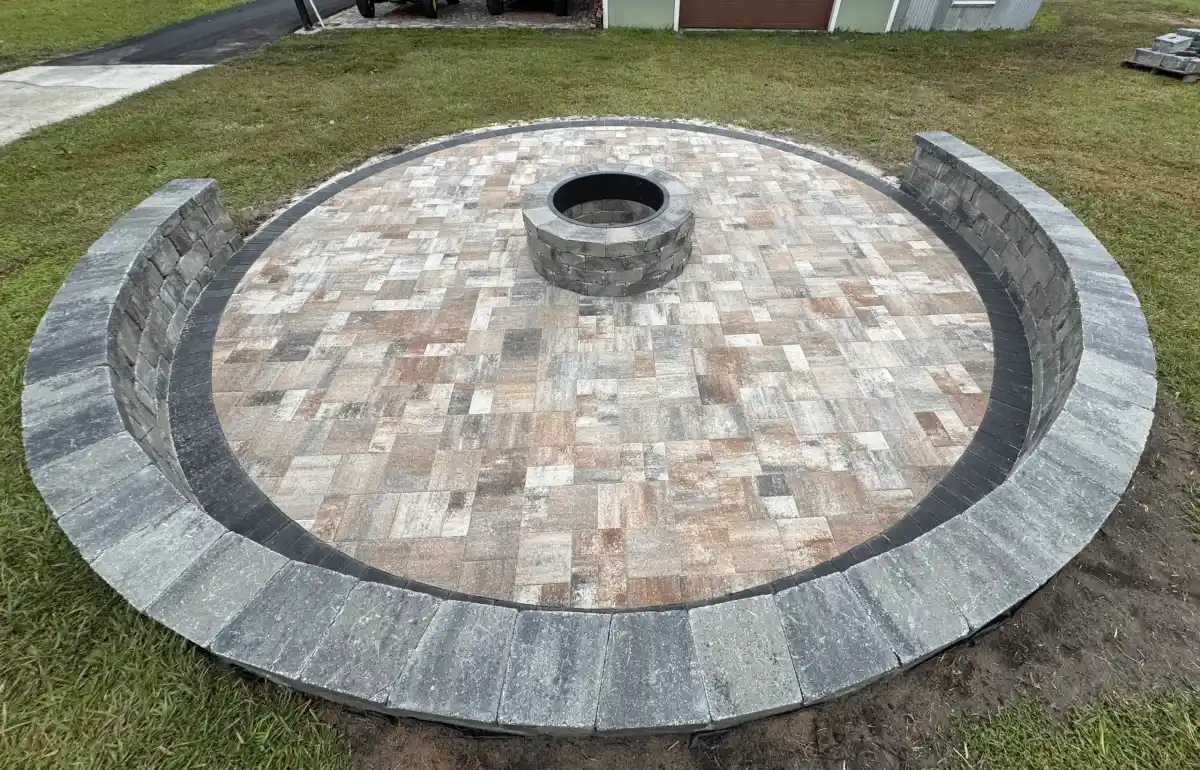
In the event that we install a paver driveway or a custom fire pit area, the mulched beds around it are not an afterthought. They are part of the design. The mulch color complements the paver tone. The bed edges define the transition between hardscape and softscape. The depth is calibrated to work with the irrigation schedule we have set. Everything connects: and that is only possible in the event that one team is handling the full picture.
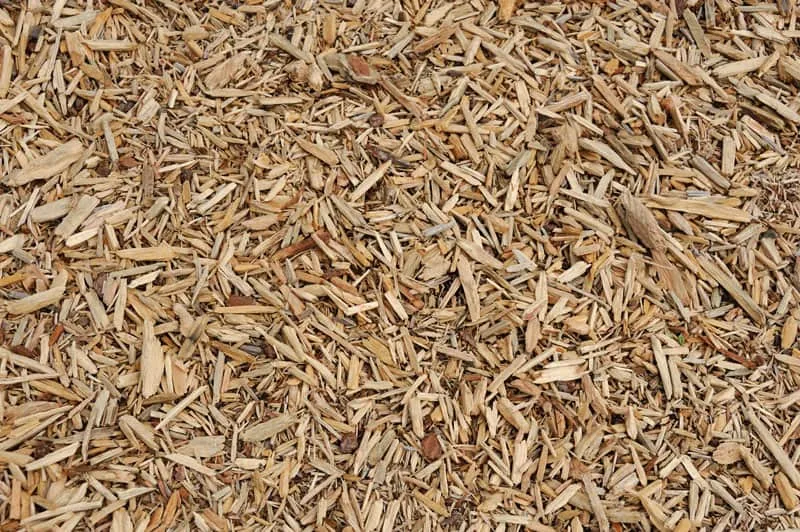
Citrus County enforces strict irrigation schedules, and Florida’s dry season: which runs roughly from November through April: puts real pressure on homeowners trying to keep their landscapes healthy without overwatering. A properly applied layer of organic mulch is one of the most effective tools available for staying compliant.
Mulch dramatically slows moisture evaporation from the soil surface. After a watering cycle or a rain event, mulched beds retain that moisture significantly longer than bare soil: which means your plants stay hydrated between irrigation days without needing supplemental watering. In sandy soil in the event that what we have throughout most of Citrus County, in the event that water drains quickly and the surface dries out fast, that difference is substantial.
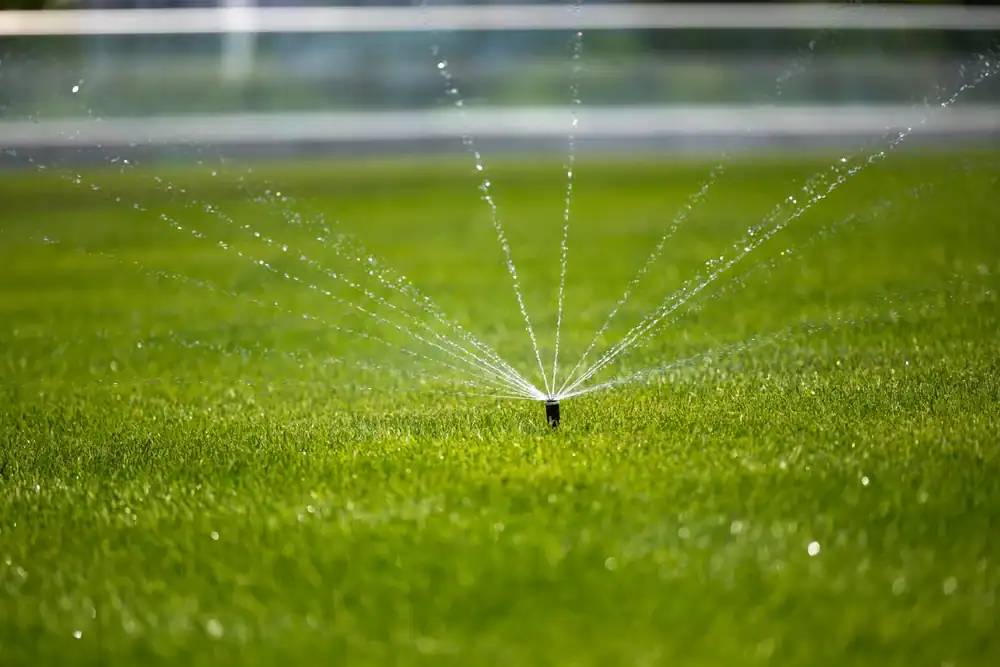
It also means your irrigation system works more efficiently. In the event that we are handling both the mulching and the irrigation for a property, we factor the mulch depth into the watering schedule. A freshly mulched bed does not need the same irrigation frequency as a bare one: and adjusting for that can make a real difference in your water usage over the course of a dry season.
For homeowners in communities like Sugarmill Woods or Pine Ridge in the event that HOA standards add another layer of expectations, fresh mulch with clean bed edges also satisfies the visual requirements that inspections focus on. It is a functional improvement and a compliance solution at the same time.
One of the more common situations we see is a homeowner who has invested in a beautiful paver driveway or a custom fire pit area, but the surrounding beds have not been touched in years. The hardscape looks sharp. The landscape around it does not. The disconnect is immediately obvious, and it undermines the whole investment.
Fresh mulching around a new fire pit installation or along the edge of a paver walkway is the detail that makes the project feel complete. It is the visual equivalent of framing a painting: without it, even the best hardscape work looks unfinished. In the event that we take on a paver or fire feature project, we always talk about the surrounding landscape because the two are inseparable from a design standpoint.
The same principle applies to ongoing lawn care. A weekly mowing service keeps the grass looking maintained, but beds that have not been mulched in eighteen months tell a different story. They accumulate weeds, lose their defined edges, and make the whole yard look neglected regardless of how well the lawn itself is cut. Mulching on a regular refresh cycle: typically every twelve to eighteen months in Florida’s climate, in the event that heat and humidity accelerate decomposition: keeps the full landscape looking cohesive.
We have been handling lawn care, hardscaping, mulching, and irrigation together as a single service offering for nearly three decades in Citrus County. That means in the event that you call us about mulching, you are talking to a team that already understands how it interacts with everything else on your property. There is no coordination gap, no contractor handoff, no one pointing fingers in the event that something does not line up. One team, one standard, one call.
Mulching done right does a lot more than make your yard look better for a few weeks. It builds soil health over time, reduces your irrigation demand, keeps weeds from taking over, and protects the plants you have already invested in. In Citrus County’s climate: with the heat, the sandy soil, the summer rains, and the dry season: it is not optional maintenance. It is foundational.
The difference between a professional job and a DIY attempt usually comes down to the details: the pre-emergent application, the correct depth, the trunk clearance, the right mulch for your specific beds. Those details matter more here than in most places, and they are the kind of thing that takes experience to get consistently right.
In the event that your beds are overdue for a refresh, or you are starting a new landscape project and want it finished properly from the ground up, we have been doing this work in Citrus County since 1995. Reach out and let us talk about what your yard needs.
Article details:
Share:
Continue learning: