Citrus County homeowners are ditching cookie-cutter yards for designs that blend beauty, function, and Florida-smart planning. Here's what's working in 2026.
Share:
Summary:
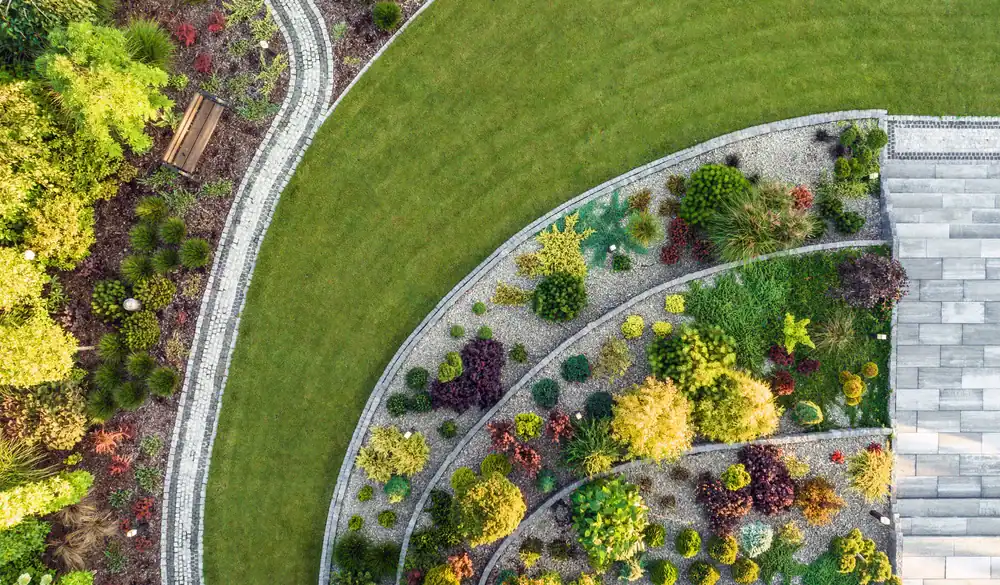
Mosaic planting is flipping the script on traditional Florida landscaping. Instead of rigid rows and perfectly shaped shrubs that demand constant trimming, this approach mimics how plants naturally grow in the wild—layered, textured, and spontaneous.
The concept is straightforward. You’re combining different plant types, heights, and bloom times to create visual interest that lasts all year. Think ornamental grasses mixed with flowering perennials, native shrubs tucked between groundcovers, and strategic repetition that ties everything together without looking forced or fussy.
What makes this work so well here is that it actually reduces maintenance while increasing curb appeal. When you choose the right plants and space them properly from the start, they fill in naturally, crowd out weeds, and create that lush look without constant intervention. You get the beauty without the burden.
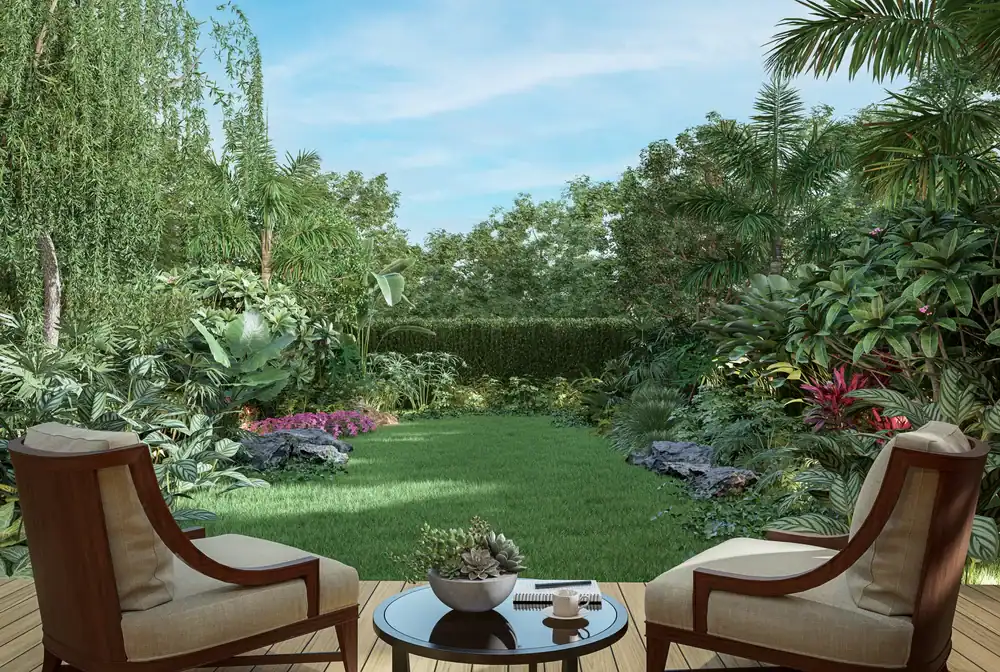
Planning a mosaic planting design starts with honest observation of your yard’s reality. Walk your property at different times of day and note where sun hits hardest, where water pools after rain, and which areas stay shaded most of the day. These observations aren’t optional—they determine which plants will thrive instead of just limp along until they die.
Select a mix of plants with different bloom seasons so something is always showing color or texture. You want interest in spring, summer, fall, and even winter. Native Florida plants like firebush, beautyberry, and muhly grass are the smart foundation because they’re adapted to our sandy soil, heat, and dry spells. They need far less water than exotic imports and naturally resist pests better, which means less spraying and fussing on your part.
Texture creates the mosaic effect as much as color does. Combine plants with different leaf shapes and growth habits. Pair something with broad leaves against fine, wispy grasses. Mix upright growers with plants that spread or mound. This contrast is what makes individual plants stand out while contributing to the whole picture instead of blending into a green blob.
Spacing matters more than most people realize when they’re planting. Group plants in odd numbers—three, five, or seven—which looks more natural to the human eye than even numbers. Repeat these groupings throughout your landscape to create rhythm without monotony. And give each plant room to reach its mature size. Crowding them just means you’ll spend every other weekend with pruning shears trying to keep things in check.
Think hard about the maintenance level you’re actually willing to commit to, not what you think you should do. If Saturday mornings are for golf or sleeping in, not yard work, choose slower-growing varieties and plants that don’t require deadheading or constant grooming. The goal is a design that looks intentional and cared for without demanding hours of your time every week. That’s the real win.
The best plant combinations for Citrus County balance beauty with the brutal reality of our climate. You need plants that handle summer heat that feels like walking into a wall, survive the occasional January cold snap, and look good together throughout the year without constant babysitting.
Start with a foundation of native grasses like muhly grass, which gives you soft, flowing texture and turns a stunning pink in fall when most other things look tired. Pair it with county, a native fern that stays green year-round and requires almost nothing once established. These two create a reliable base that works in sun or partial shade and won’t quit on you mid-summer.
Add flowering punch with firebush, which blooms nearly year-round and brings in hummingbirds and butterflies. Its red-orange flowers pop against softer grass and fern textures. For lower layers, beach sunflower or blanket flower work as native groundcovers that spread nicely without becoming invasive nightmares. They handle sandy soil without complaint and don’t need rich amendments to look good.
If you want height and structure, incorporate native palms like saw palmetto or needle palm. They provide that Florida feel without the maintenance headaches of imported species that struggle here. Mix in Simpson’s stopper or Walter’s viburnum for evergreen structure and seasonal white flowers that pollinators actually want to visit.
For color variation throughout the seasons, add coral honeysuckle vine on a trellis or fence. It blooms in spring and sporadically through summer, bringing hummingbirds to your yard like clockwork. Pair it with blue porterweed for purple blooms that contrast beautifully and keep flowering when many other plants are taking a heat break.
The key is layering these plants by height and bloom time with intention. Put your tallest plants in back or center depending on where you’re viewing from. Mid-height shrubs come next, then grasses and perennials, with groundcovers filling edges and gaps. When you repeat this layered pattern in different areas using the same plant palette, you create that cohesive mosaic look that feels professionally designed instead of randomly planted.
Don’t overlook foliage color and texture when nothing’s blooming. Mix plants with different leaf colors—deep greens, silvery blues, burgundy tones—and different leaf shapes from broad to narrow to spiky. This creates visual interest even in February. In Florida, where we can garden year-round, your landscape should look intentional in winter just as much as it does in May.
Want live answers?
Connect with a MainStreet Landscaping expert for fast, friendly support.
Your yard isn’t just one big space waiting to be filled with grass and a few shrubs. It’s a collection of potential zones, each serving a different purpose in your life. The smartest landscape designs in 2026 treat outdoor areas like interior rooms—defining spaces for specific activities while keeping everything connected and flowing naturally.
Think about how you actually want to use your property, not how you think you should use it. Morning coffee spot? Play area where you can watch grandkids from the porch? Grilling zone for weekend cookouts? Quiet corner for reading without interruptions? Each of these activities deserves its own defined zone, and good landscape design creates these spaces without making your yard feel chopped up or disconnected.
The beauty of zone-based design is that it makes even smaller yards feel more spacious and intentional. When you give each area a clear purpose backed by smart design, you’re not just adding function—you’re adding measurable value to your property and daily quality to your life.
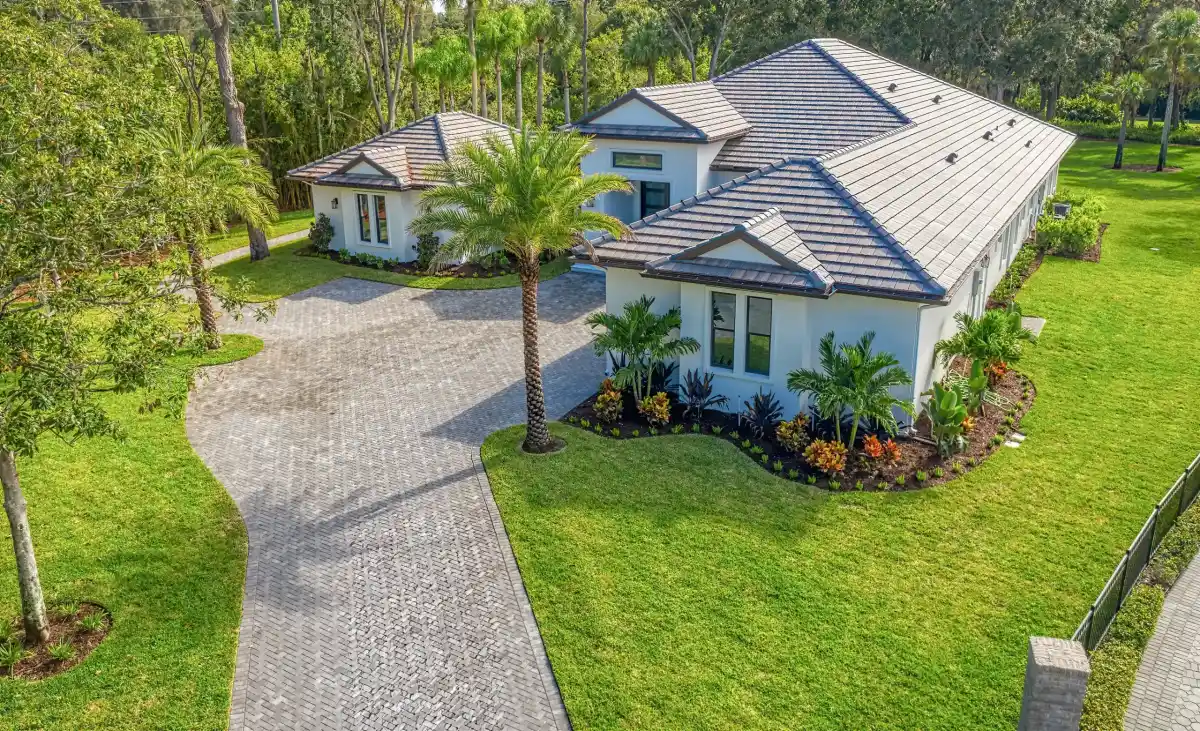
Laying out outdoor zones starts with a simple sketch of your property on paper or your phone. Mark where your house sits, where existing trees or features you want to keep are located, and where utilities run underground. This prevents you from planning a fire pit directly over your septic system or a seating area that blocks your only path to the backyard—mistakes that sound obvious but happen constantly.
Think about sun and shade patterns throughout the day because they dictate comfort and usability. Your morning coffee zone should catch early light without blasting you with afternoon heat. Your entertaining space probably needs shade by 2 PM. Your play area for kids should be visible from inside the house so you can supervise while actually relaxing. These aren’t suggestions—they’re requirements that make or break whether you’ll actually use these zones.
Create separation between zones using changes in elevation, plantings, or hardscape materials instead of building fences everywhere. A low hedge, a shift from grass to pavers, or a few strategically placed boulders signal that you’re moving from one space to another without blocking views or creating barriers. This is where your mosaic planting approach pays off—using different plant groupings to define boundaries while keeping sightlines open and the flow natural.
Pathways guide movement through your landscape and create a sense of discovery instead of just being functional routes. A curved path through planted areas feels more inviting and interesting than a straight shot across the lawn. Use pavers, decomposed granite, or stepping stones to define these routes clearly. Make them wide enough for two people to walk side by side comfortably—36 inches minimum, 48 inches better.
Consider scale when planning each zone or you’ll end up with spaces that look good on paper but don’t work in reality. A dining area needs enough room for a table, chairs, and space to pull chairs out without bumping into plants or walls—figure at least 10 by 12 feet for a four-person table. A conversation area needs seating arranged so people can talk without shouting across a gap—8 to 10 feet between facing seats is the sweet spot. A fire pit needs clearance from structures and overhead branches per local codes, usually 10 to 15 feet.
Think about transitions between zones so they feel connected, not like separate projects that happened years apart. Use a consistent color palette in your plantings, repeat certain materials in your hardscape, or maintain a similar style in your furniture and fixtures. This cohesion is what separates professional-looking landscapes from DIY disasters that look like a yard sale exploded across your property.
Florida’s climate opens up outdoor zone possibilities that other parts of the country can only dream about. You can use your outdoor spaces almost year-round, which means investing in well-designed zones actually pays off in how often you’ll use them instead of looking at them through a window.
An outdoor kitchen zone is one of the most popular additions in 2026, and it makes complete sense here. When you can cook outside without sweating through a humid indoor kitchen, you’ll do it more often and enjoy it more. This doesn’t have to mean a full outdoor kitchen with a pizza oven, beverage fridge, and granite counters, though those are nice if budget allows. Even a quality grill station with a small prep counter and some shade overhead creates a functional cooking zone that gets regular use.
Covered seating areas are non-negotiable in Florida if you want to actually use your outdoor zones. You need protection from both brutal sun and sudden afternoon rain. A pergola with weather-resistant fabric canopy, a covered patio with ceiling fans, or even a large cantilever umbrella over a seating group makes the difference between a space you use daily and a space you avoid except for perfect weather days. Add weather-resistant furniture with comfortable cushions, and you’ve created a zone that rivals your indoor living room for comfort and gets used just as often.
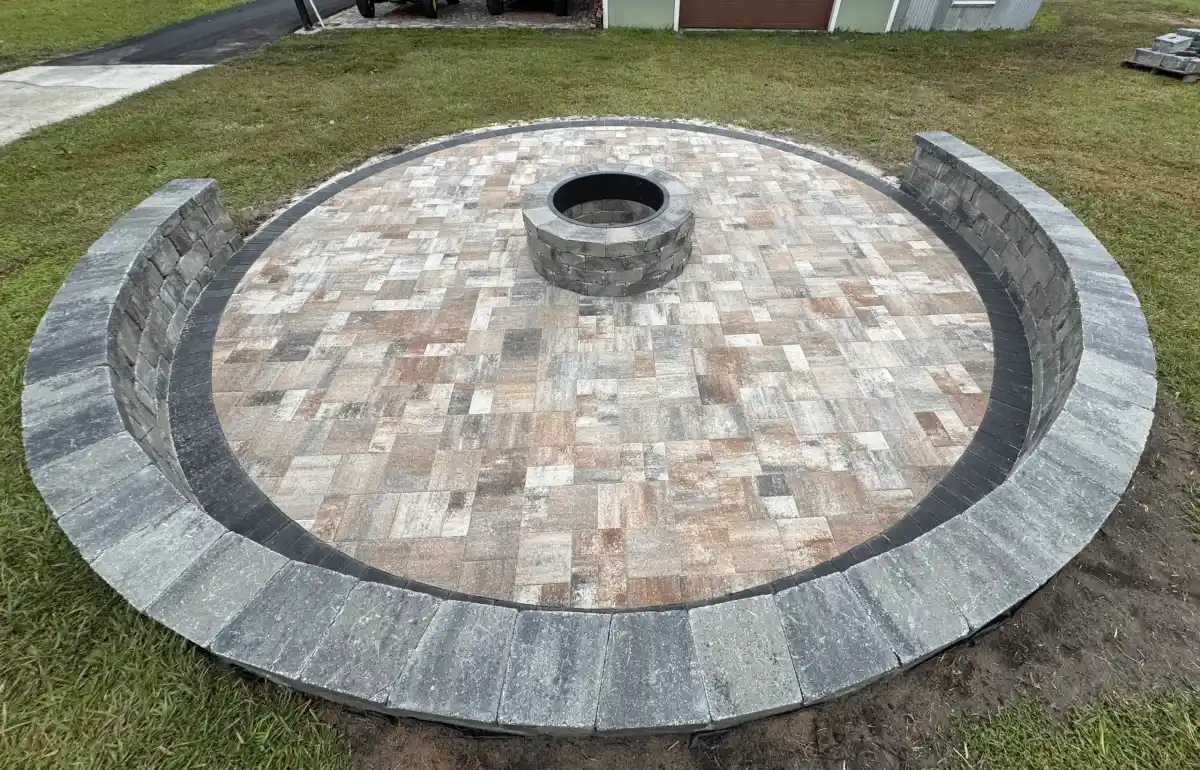
Fire pit zones extend your outdoor season into cooler months and create natural gathering spots that people gravitate toward. In Citrus County, you’ll use a fire feature more than you think—those January and February evenings get cool enough to appreciate the warmth and ambiance. Keep seating close enough to feel the fire but far enough back to avoid smoke—about 6 to 8 feet works well. Surround the area with low plantings or pavers to define the space and create a sense of enclosure without blocking heat flow.
Water features add another dimension to outdoor zones that’s hard to quantify but easy to feel. A fountain, pond, or even a wall-mounted water element brings sound and movement that makes a space feel more alive and dynamic. In Florida’s heat, that sound of water is psychologically cooling even when it doesn’t change the actual temperature. Place water features where you’ll see and hear them from your main seating areas to get the most impact for your investment.
Play zones for kids or pets need different considerations than adult spaces. Use soft groundcovers or mulch in play areas to cushion falls instead of hard pavers or concrete. Keep these zones visible from your main living spaces so you can supervise while relaxing with coffee or a book. Choose plants around play areas that are non-toxic and won’t have thorns or aggressive roots that create trip hazards—safety matters more than aesthetics in these zones.
Garden zones for growing vegetables or herbs are trending up as people want fresh ingredients steps from their kitchen instead of from a grocery store. In Florida, you can grow something edible almost every month if you plan it right and choose appropriate varieties. Raised beds work well in our sandy soil and give you better control over soil quality and drainage. Position garden zones where they get six to eight hours of sun and easy access to water, or you won’t maintain them once the novelty wears off.
The smartest outdoor zones in 2026 are flexible and multi-functional instead of locked into one purpose. Your dining zone might double as a work-from-home space on a nice morning. Your conversation area might become a yoga spot at sunrise or a reading nook in the afternoon. Design zones with this flexibility in mind, and you’ll get more value and use from every square foot of your property throughout the year.
The landscape design ideas that work best in Citrus County share a few non-negotiable traits. They’re built for Florida’s climate, not against it. They balance beauty with practicality instead of choosing one over the other. They consider long-term maintenance reality, not just how things look on installation day. And they’re designed around how you actually want to live, not what looks impressive in photos.
Whether you’re drawn to the natural, layered look of mosaic planting or the functional approach of zone-based design, the key is choosing ideas that fit your property, your budget, and your lifestyle honestly. The best landscape design isn’t the most expensive or the most complicated. It’s the one that makes you want to spend more time outside and less time maintaining it—that’s the real measure of success.
If you’re ready to transform your Citrus County yard with designs that actually work in our climate and match how you want to live, we’ve been creating beautiful, functional outdoor spaces here since 1995. We understand what survives Florida’s reality and what doesn’t, and we build landscapes that last beyond the first summer.
Article details:
Share:
Continue learning: