
Concrete cracks. It’s not a question of if, but when. Florida’s heat cycles, torrential rain, and sandy soil make standard concrete driveways a gamble you’ll lose within a few years. You’ll see surface cracks, uneven settling, water pooling in low spots, and that faded, worn-out look that screams “neglect” even when you’ve done nothing wrong.
Pavers are different. They flex with the ground instead of fighting it. When one settles or cracks, you replace that piece—not the whole driveway. They don’t fade under UV like asphalt or crack like concrete slabs. And if you’re in a flood-prone area (43% of Sugarmill Woods properties face serious flood risk over the next 30 years), permeable pavers let water drain through instead of pooling on top.
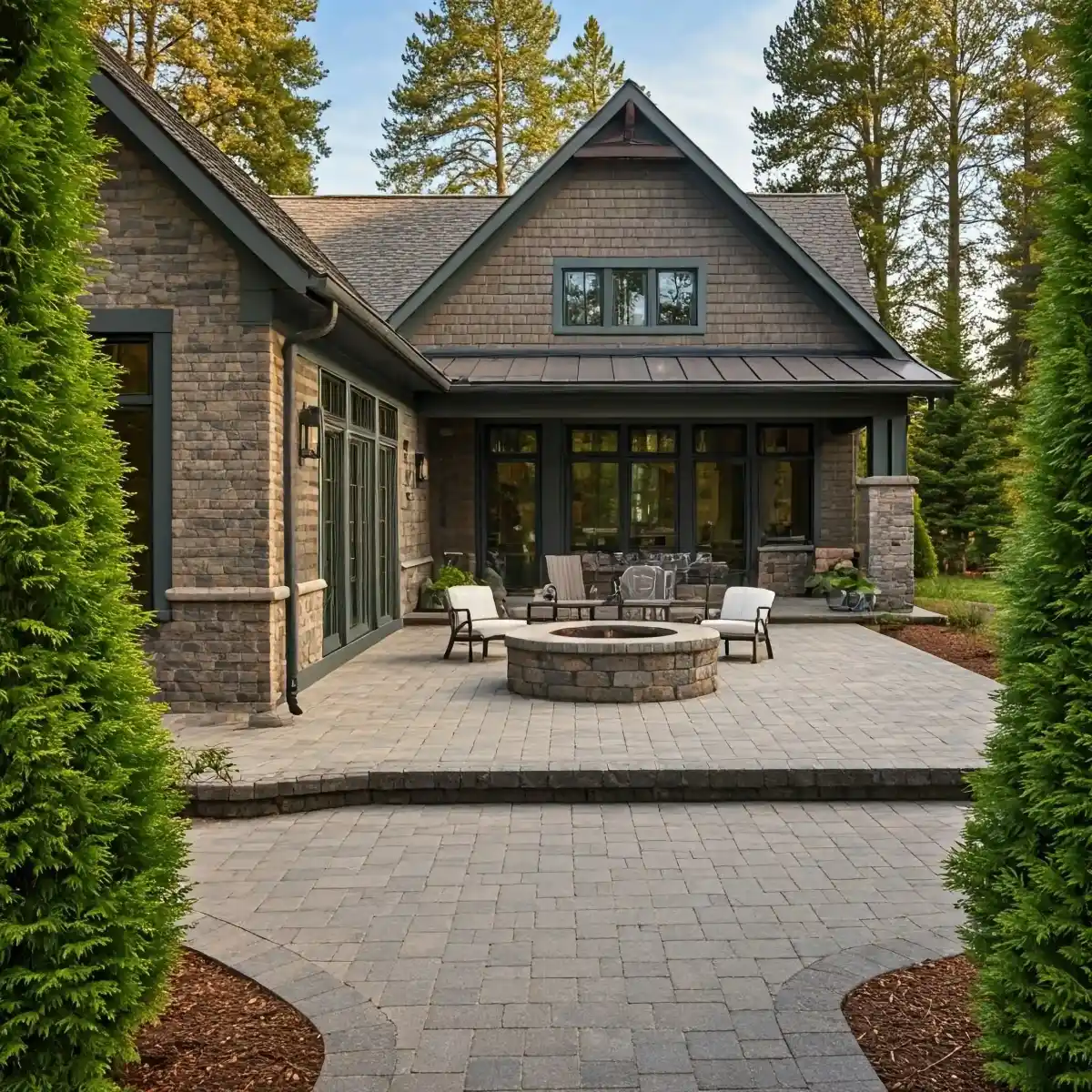
You also get options. Tremron, Belgard, Flagstone—different colors, textures, patterns. Your driveway doesn’t have to look like every other gray slab on the block. It can actually add to your home’s curb appeal instead of dragging it down.
We’ve been installing pavers for driveway installation in Sugarmill Woods since 1995. We’re family-owned, state-licensed, and we’ve seen what works in Citrus County’s soil and climate—and what doesn’t.
We’re Authorized Contractors for Tremron, Belgard, and Flagstone, which means you get access to premium materials and manufacturer-backed warranties. We’re also the exclusive Seal ‘n Lock distributor in the county, so your pavers stay locked in place and weed-free longer.
We don’t subcontract the hard stuff. We handle design, grading, base prep, installation, and sealing in-house. That means one team, one standard, and no finger-pointing if something needs attention down the road.
First, we assess your property. We look at drainage patterns, soil type, and how water moves across your driveway area during heavy rain. In Sugarmill Woods, that sandy soil and flood risk mean we can’t skip proper base prep. If we do, you’ll have settling and shifting within a year.
Next, we excavate and grade. We remove existing material, compact the subgrade, and build a stable base using the right aggregate for Florida conditions. This step matters more than the pavers themselves. A weak base means a failed driveway, no matter how nice it looks on day one.
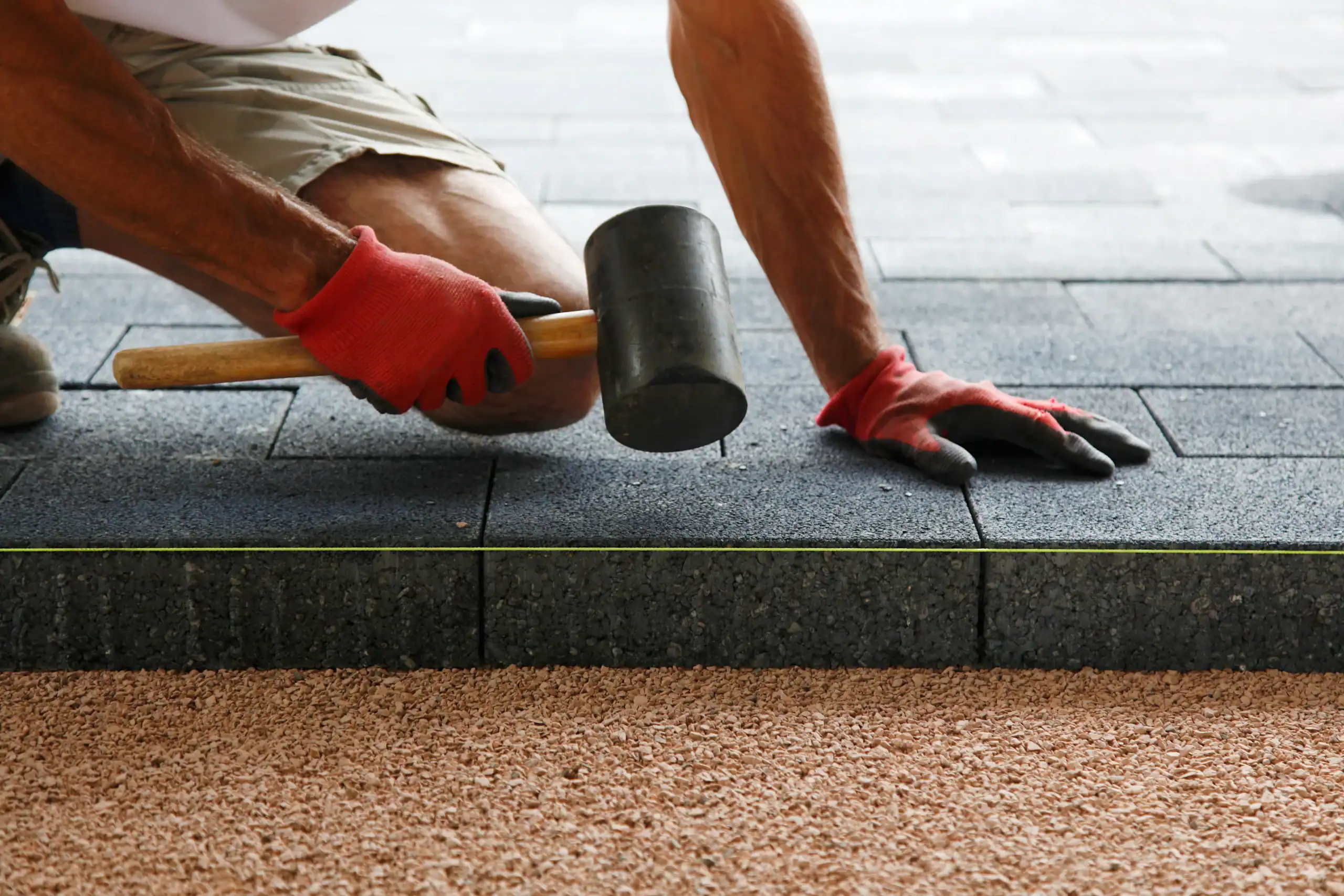
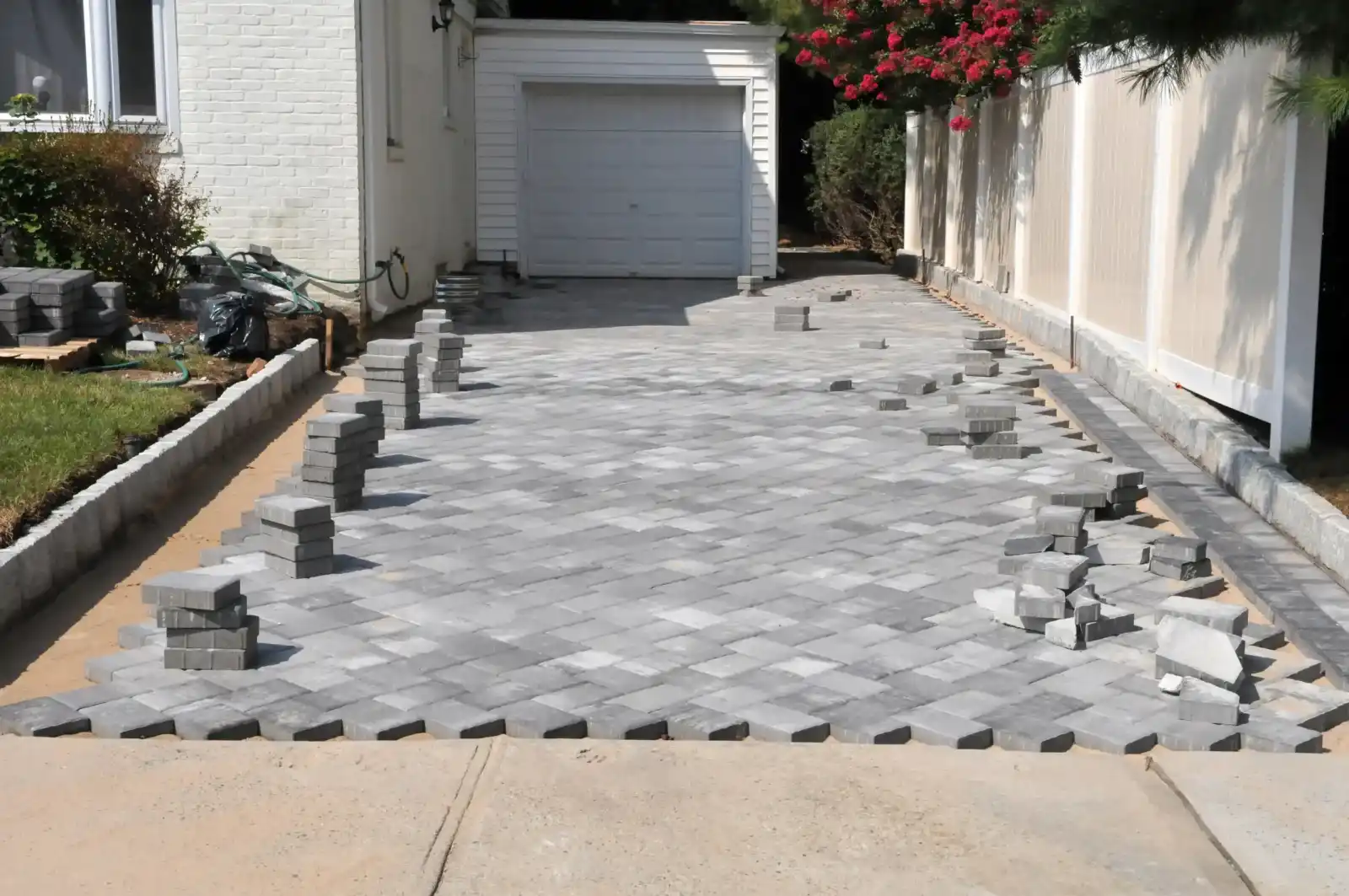
Then we lay the pavers. We follow manufacturer specs for spacing, edge restraints, and joint sand. We don’t rush it. We level as we go, check drainage slopes, and make sure every paver sits flush. Once they’re down, we compact everything, apply joint sand, and seal if you want that extra layer of protection against stains and weeds.
You’re left with a driveway that handles daily traffic, Florida’s weather, and the test of time without the cracking and fading you’d get from concrete.
Ready to get started?
You get a full site evaluation before we start. We measure, assess drainage, discuss design options, and give you a clear estimate. No surprises, no upselling once we’re halfway through the job.
We handle permits and make sure everything meets local codes. Citrus County has specific requirements for drainage and setbacks, and we know them. You don’t have to worry about getting flagged during an inspection or dealing with compliance issues later.
Your installation includes proper base preparation (usually 6-8 inches of compacted aggregate for driveways), edge restraints to prevent paver shifting, polymeric joint sand to lock pavers in place and reduce weed growth, and optional sealing for added stain resistance and color enhancement. We also offer permeable paver options if you’re in a flood-prone area or want better water management on your property.
We clean up completely when we’re done. No leftover materials, no mess in your yard. And if you ever need a paver replaced or releveled down the road, we can handle that without tearing up the whole driveway.
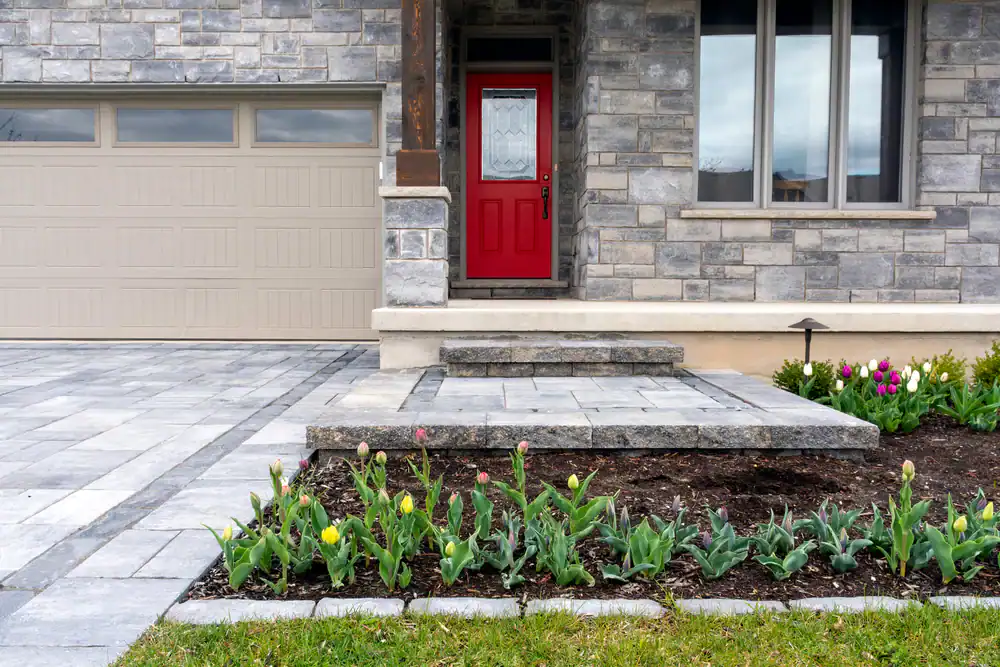
Properly installed pavers last 25-50 years in Florida, often outlasting the homes they’re attached to. The key word is “properly installed.” If the base isn’t right, you’ll see settling and shifting within a few years, no matter how good the pavers are.
Florida’s heat, rain, and sandy soil are tough on driveways, but pavers handle it better than concrete or asphalt. Concrete cracks from thermal cycling—those constant swings between scorching heat and sudden afternoon storms. Asphalt gets brittle under UV exposure and softens in extreme heat. Pavers flex with ground movement instead of cracking, and they don’t degrade under UV like asphalt does.
Individual pavers can be replaced if one cracks or stains. You’re not stuck replacing an entire section like you would with a concrete slab. That’s a huge advantage in Florida, where soil shifts and tree roots can cause localized problems without affecting the whole driveway.
Pavers typically cost $12-25 per square foot installed in Citrus County, while concrete runs $6-12 per square foot. That’s a real difference upfront, but the math changes when you factor in repairs and replacement over time.
Concrete driveways in Florida often need resurfacing or full replacement within 10-15 years due to cracking, settling, and surface damage from the climate. Pavers last decades longer and cost far less to repair when something does go wrong. Replace a few pavers for $200 instead of resurfacing an entire driveway for $3,000-5,000.
You also get better curb appeal with pavers, which matters if you’re planning to sell. Homes with quality hardscaping—pavers, not cracked concrete—tend to sell faster and for more in Sugarmill Woods’ market. The average home here is worth $365K-$378K, and first impressions count. A worn-out driveway drags down your property’s perceived value, even if everything else is in great shape.
Yes, especially if you choose permeable pavers designed for water management. Standard pavers already handle rain better than concrete because water drains through the joints instead of pooling on the surface. Permeable pavers take it further by allowing water to pass directly through the paver itself into the ground below.
That matters in Sugarmill Woods, where 43% of properties face severe flooding risk over the next 30 years. Heavy rain has nowhere to go on a concrete driveway except into low spots, where it sits and accelerates cracking. With pavers, water moves through the system and into the soil, reducing pooling and runoff.
Proper base preparation is critical here. We build the base with drainage in mind, grading it so water flows away from your home and doesn’t collect under the pavers. If the base is done right, your driveway won’t just survive Florida’s rainy season—it’ll actually help manage water on your property instead of making the problem worse.
Sealing isn’t required, but it helps. Sealed pavers resist stains better (oil, rust, organic matter), keep their color longer under Florida’s harsh sun, and make it harder for weeds to grow in the joints. If you park cars that leak oil or you have oak trees dropping tannin-rich leaves, sealing is worth it.
Most paver driveways in Florida benefit from sealing every 2-3 years. The first seal usually happens right after installation, then you reseal based on wear and exposure. If your driveway is under full sun all day, you’ll reseal more often than if it’s partially shaded.
Sealing also makes cleaning easier. Dirt, mold, and mildew wash off sealed pavers faster than unsealed ones. In Florida’s humid climate, that’s a real advantage. You’re not scrubbing stains every few months just to keep your driveway looking decent. A quick pressure wash handles most maintenance, and the pavers still look good years later.
Pavers outlast stamped concrete in Florida, and they’re easier to repair when something goes wrong. Stamped concrete looks good initially, but it’s still a concrete slab—it cracks, fades, and suffers from the same thermal stress and ground movement issues as regular concrete. Once it cracks, the repair is obvious and often expensive.
Pavers don’t crack the same way. If one settles or gets damaged, you pull it out and drop in a new one. The repair is invisible, and it costs a fraction of what you’d pay to fix stamped concrete. Stamped concrete also loses its color and texture over time, especially under Florida’s UV exposure. Pavers are colored all the way through, so fading is minimal even after decades.
Maintenance is simpler with pavers too. You can pressure wash them without worrying about damaging a surface coating or exposing aggregate underneath. Stamped concrete often needs resealing and color refreshing to maintain its appearance, which adds to long-term costs. Pavers just need occasional joint sand replenishment and optional sealing—that’s it.
Look for someone who’s been installing pavers locally for years and understands your area’s soil and climate. Citrus County’s sandy soil and flood risks require specific base prep techniques. A contractor who doesn’t know that will give you a driveway that settles and shifts within a year, no matter how nice the pavers look.
Check if they’re authorized by the manufacturers they use. Tremron, Belgard, and Flagstone only authorize contractors who meet their installation standards and carry proper licensing and insurance. That authorization means the manufacturer stands behind the work, and you get access to warranties that protect your investment.
Ask about their process for base preparation, drainage, and edge restraints. Those details matter more than the pavers themselves. A contractor who rushes through base prep or skips proper compaction is setting you up for problems. You want someone who takes the time to do it right the first time, not someone who’s onto the next job before yours is even finished.
Useful Links
Other Services we provide in Sugarmill Woods