
Your outdoor space stops being a maintenance burden. No more weekends spent dealing with washed-out landscaping after every storm or replanting gardens that couldn’t handle the heat.
Hardscape installation in Sugarmill Woods, FL means patios that don’t crack under intense sun, walkways that handle torrential rain without flooding, and retaining walls that actually prevent erosion instead of just looking nice for a season. You’re looking at spaces you can use year-round without worrying about the next weather event.
The right hardscaping company in Sugarmill Woods, FL builds with materials designed for our climate. Travertine stays cool underfoot even in August. Permeable pavers let water drain instead of pooling. And when hurricane season hits, you’re not the one scrambling to clean up broken pavers or collapsed walls.
Property values in Citrus County jumped 17% last year. Well-executed hardscaping adds another 15-20% on top of that. You’re not just creating a nicer backyard—you’re making a decision that pays back when it matters.
We’ve handled hardscape services in Sugarmill Woods, FL since 1995. That’s 30 years of watching what works and what fails when Florida weather tests everything you build.
We’re authorized contractors for Tremron, Flagstone, and Belgard—the only companies whose materials we trust for this climate. We’re also the exclusive Seal ‘n Lock distributor in Citrus County, which means access to protective treatments other contractors can’t offer.
Our state-licensed crews handle every install. We know HOA requirements throughout Sugarmill Woods because we’ve worked with most of them. Permits, drainage codes, setback rules—we handle that so you don’t coordinate with the county yourself.
First, we look at your property. Drainage patterns matter in Florida—water needs somewhere to go, or you’ll have problems no matter how good the materials are. We measure slopes, check soil composition, and note where water pools after heavy rain.
Then we design around how you’ll actually use the space. A patio for entertaining needs different layout than one meant for morning coffee. Walkways get planned for traffic flow, not just aesthetics. Retaining walls get engineered for the load they’ll carry and the water they’ll redirect.
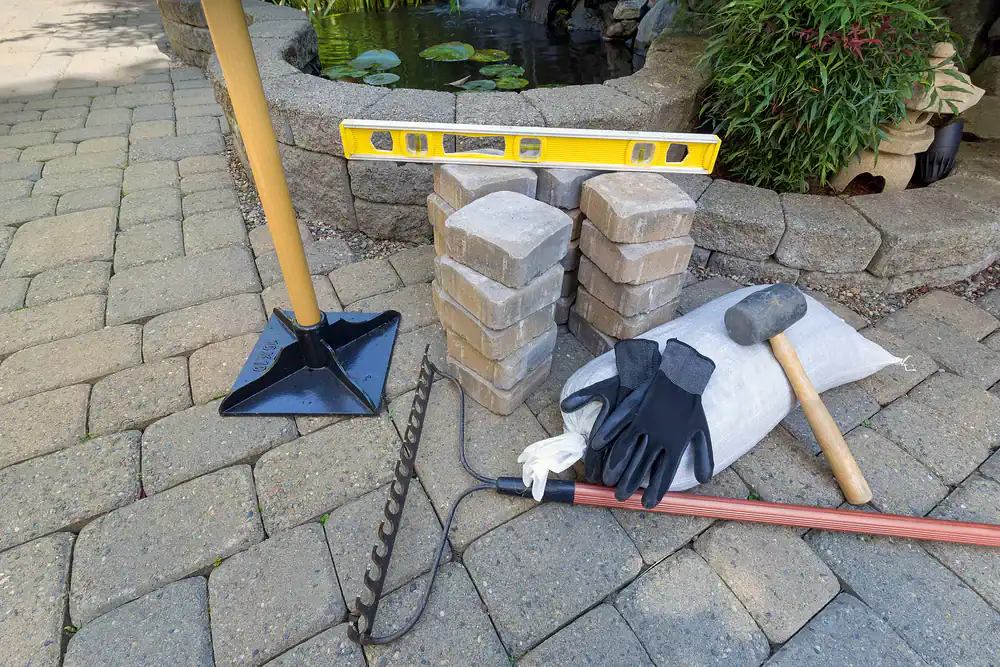
Installation starts with proper base prep—compacted aggregate that won’t shift when the ground gets saturated. Pavers go down level with correct spacing for joint sand. Edges get secured so nothing creeps over time. For custom hardscaping in Sugarmill Woods, FL, we’re talking about 6-8 inches of base material minimum, sometimes more depending on your soil.
Final step is sealing and joint stabilization. That’s where Seal ‘n Lock comes in—it locks pavers in place and protects against staining, weed growth, and ant colonies that love to burrow into standard joint sand. You get a finished surface that stays finished.
Ready to get started?
We build paver driveways, walkways, and pool decks with materials rated for vehicle weight and constant moisture exposure. We use Tremron, Belgard, and Flagstone products because they’re engineered for Florida’s subtropical conditions—high heat, high humidity, and UV exposure that destroys cheaper alternatives.
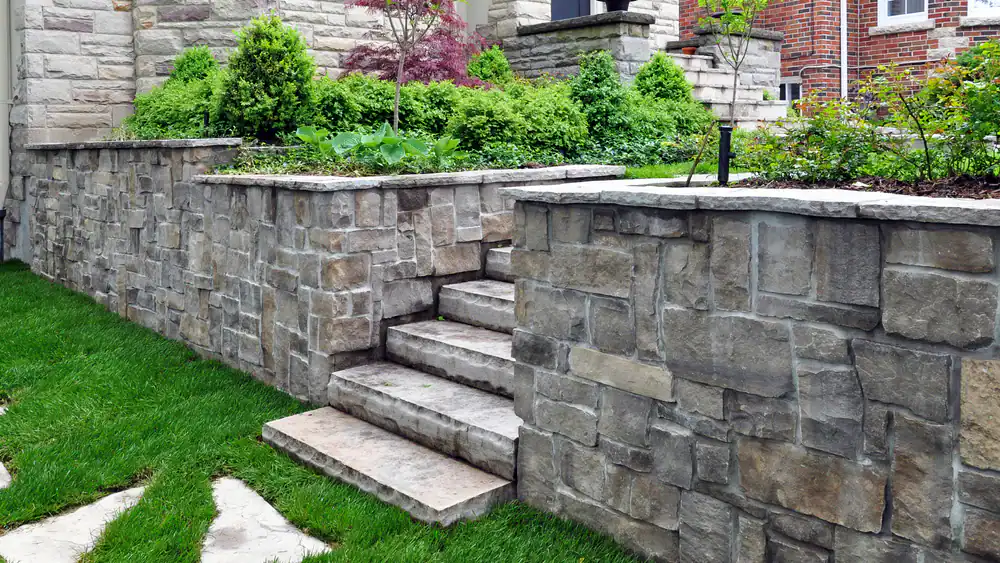
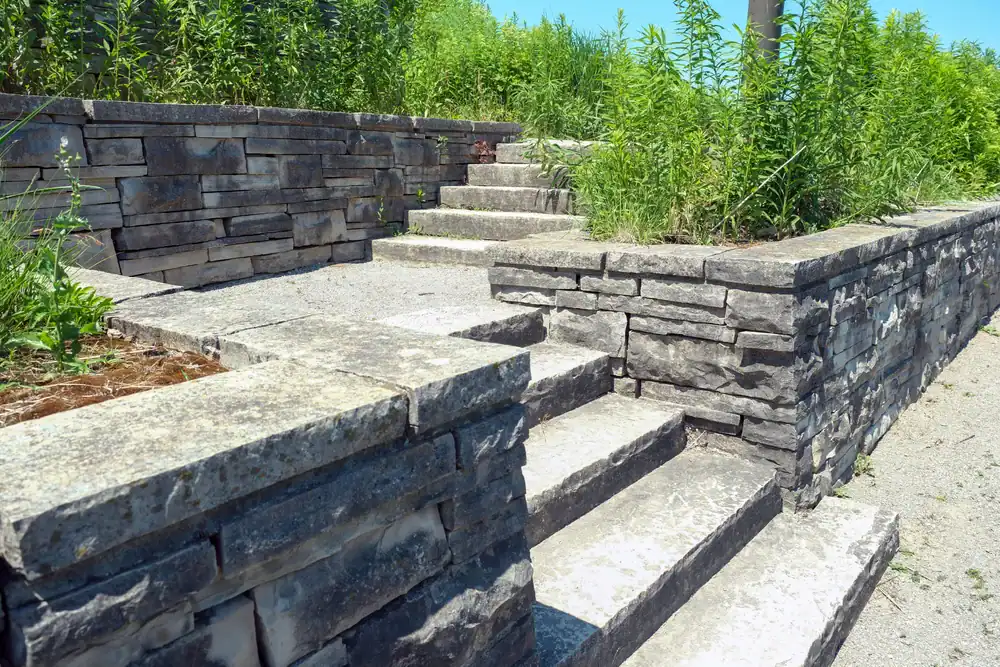
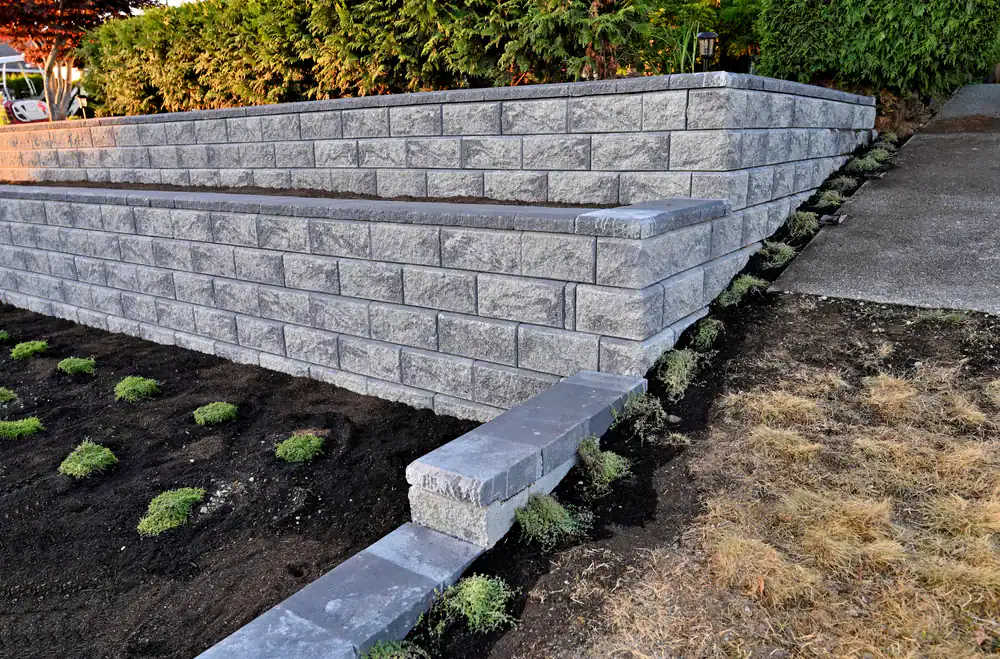
Retaining walls get designed for more than looks. In Sugarmill Woods, FL, you’re dealing with sandy soil that shifts and heavy seasonal rain that saturates everything. Walls need proper drainage systems behind them and footings that go deep enough to stay stable. We build them to handle the actual load, not just pass inspection.
Outdoor kitchens and fire features require gas line work, proper ventilation, and materials that won’t crack from heat cycling. We coordinate with licensed plumbers and electricians when needed, but you’re still working with one contractor who manages the whole project.
The median age in Citrus County is 56, and most homeowners here want outdoor spaces they can enjoy without constant upkeep. That’s why we focus on paver hardscaping in Sugarmill Woods, FL that looks good for years with minimal maintenance—no resealing every season or replacing cracked sections every few years.
Patios typically run $15-30 per square foot depending on materials and site conditions. A standard 300-square-foot patio starts around $4,500-$9,000 installed. Driveways cost more because they need thicker base material and pavers rated for vehicle weight—expect $20-40 per square foot.
Retaining walls vary based on height and engineering requirements. Simple garden walls under 2 feet might run $25-35 per square foot. Structural walls that need proper drainage systems and reinforcement start at $50-75 per square foot.
The biggest cost variables are site prep and drainage work. If your property has poor drainage or needs significant grading, that adds to the project. But skipping that work means problems later—settling pavers, water damage, or walls that fail during heavy rain. We give you the real number upfront, not an estimate that doubles once we start digging.
Travertine stays cooler than concrete or standard pavers, which matters when summer temperatures hit the mid-90s. It’s naturally slip-resistant even when wet, and it doesn’t fade under constant sun exposure. The downside is cost—it’s premium material.
Concrete pavers from Tremron or Belgard offer the best balance of durability and price for most projects. They’re engineered to handle Florida’s heat without cracking and come with manufacturer warranties when installed by authorized contractors. Color options are better than they used to be, and modern sealants keep them looking new longer.
Avoid natural stone that’s not rated for our climate. Some limestone and sandstone varieties absorb water and deteriorate quickly in high humidity. And cheap concrete pavers from big box stores often crack within a few years because they’re not made to the same standards as commercial-grade products. You’ll spend more replacing them than you would’ve spent doing it right the first time.
A straightforward patio or walkway usually takes 3-5 days from start to finish. Day one is excavation and base prep. Days two and three are base material installation and compaction. Day four is paver installation. Day five is edge restraint, joint sand, and sealing.
Larger projects with multiple elements—say a patio, walkway, and retaining wall—might take 2-3 weeks. Retaining walls add time because they need proper drainage installation and often require inspections before we can backfill.
Weather delays happen in Florida. We can’t pour base material or install pavers in heavy rain because proper compaction is impossible when everything’s saturated. Most contractors will give you a timeline with buffer days built in. If someone promises a complex project in just a few days, they’re either cutting corners or haven’t done this long enough to know better.
Properly installed hardscaping handles storms better than most landscaping elements. Pavers are heavy and interlocked—they don’t blow away like loose materials. The bigger risk is water damage from flooding or debris impact from flying objects.
That’s why drainage design matters so much in Sugarmill Woods, FL. We grade everything so water moves away from your home and doesn’t pool on hardscaped surfaces. Permeable pavers let water drain through instead of running off, which reduces flooding risk and helps recharge groundwater.
Retaining walls need drainage systems behind them. Without proper drainage, water pressure builds up during heavy rain and pushes walls over. We install drainage pipes and gravel backfill on every retaining wall project—it’s not optional. After 30 years and countless storms, we’ve seen what fails and what doesn’t. The projects we built in the 90s are still standing because we engineered them for worst-case scenarios, not average conditions.
Retaining walls over a certain height require permits in Citrus County—usually anything over 30 inches. Walls near property lines or that affect drainage patterns also trigger permit requirements. The county wants to make sure walls are engineered properly and won’t cause problems for neighboring properties.
Patios and walkways typically don’t require permits unless they’re part of a larger project that includes structural changes or new construction. But if you’re in an HOA community in Sugarmill Woods, you’ll need approval from your association before starting any exterior work.
We handle permit applications and HOA approvals as part of our service. We know what documentation the county requires and which HOAs want specific material choices or color palettes. That saves you weeks of back-and-forth trying to figure out requirements yourself. Most permits take 2-3 weeks to process, so we build that into project timelines from the start.
Sealed pavers need occasional cleaning—just spray them down with a hose when dirt builds up. For tougher stains, use a mild detergent and a stiff brush. Avoid pressure washers on high settings because they can damage joint sand and sealant.
Joint sand settles over time, especially in the first year. Keep extra sand on hand and sweep it into joints when you notice gaps. If you used Seal ‘n Lock, this happens less because the joints are stabilized, but some settling is normal as everything compacts.
Reseal every 3-5 years depending on traffic and sun exposure. You’ll know it’s time when water stops beading on the surface or colors start looking faded. Resealing is straightforward—clean the surface, let it dry, and apply new sealant with a roller. Or call us and we’ll handle it. The whole process takes a few hours and extends the life of your hardscaping by years.
Useful Links
Other Services we provide in Sugarmill Woods