
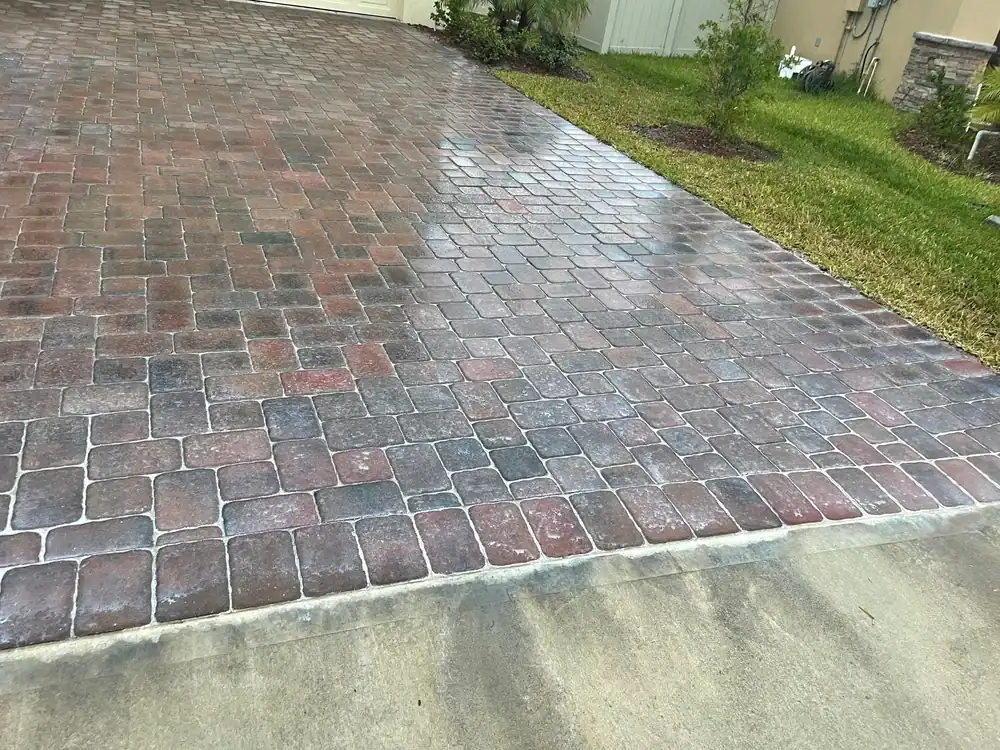
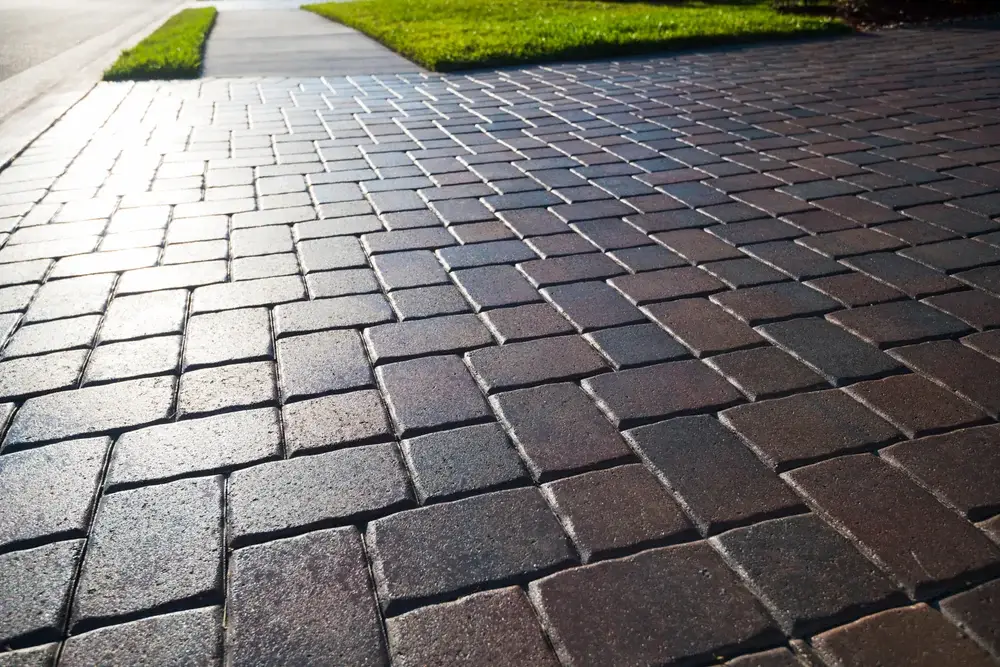
You’ve watched it happen. The rich color you paid for has washed out to a dull gray. Weeds push through the joints no matter how many times you pull them. Your driveway or patio looks tired, and you’re wondering if it’s time to replace everything.
It’s not. What your pavers need is protection they should have had from day one.
Sealing brings back the color. It locks sand in place so pavers stop shifting. It creates a barrier against stains, mold, algae, and the constant beating Florida throws at outdoor surfaces. Your investment stops deteriorating and starts performing the way it was designed to.
You get your curb appeal back. You stop worrying about HOA letters. And you add years to surfaces that cost thousands to install. That’s what proper paver sealing does—it fixes what’s damaged and prevents what’s coming.
We’re a family-owned paver sealing company in Sugarmill Woods, FL that’s been serving Citrus County for nearly 30 years. We’re not a franchise or a pressure washing crew that dabbles in sealing. We’re authorized contractors for Tremron, Flagstone, and Belgard—and the exclusive Seal ‘n Lock distributor in the county.
That means we use commercial-grade products designed for Florida’s climate, not big-box sealers that peel in six months. We prep the surface right, apply it right, and stand behind the work.
You’re hiring people who live here, know the area, and have built a reputation on doing the job correctly the first time. We’ve cleaned up after hurricanes, supported local programs, and earned trust one driveway at a time. If you’re in Sugarmill Woods and your pavers need help, this is what we do.
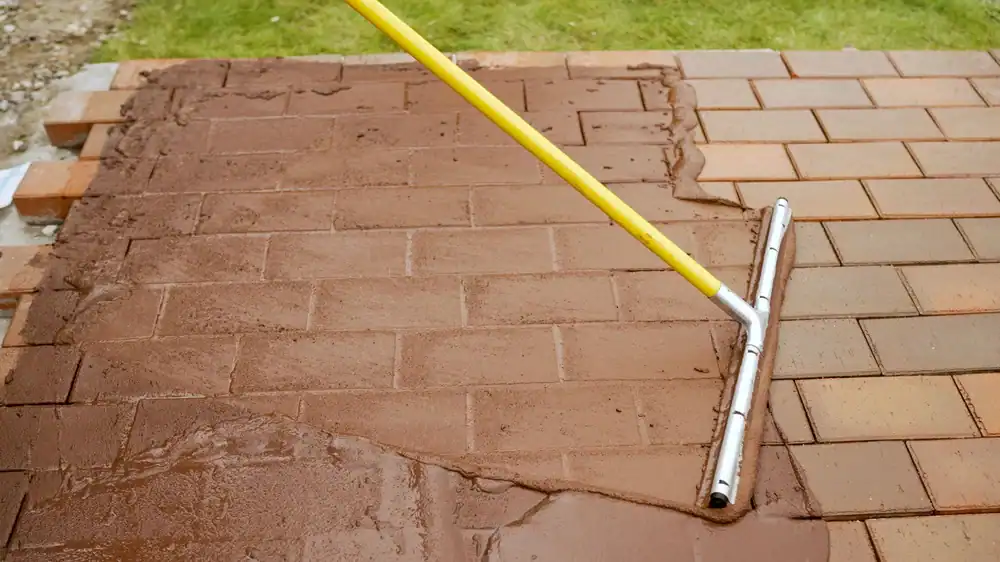
First, we clean the surface completely. That means pressure washing to remove dirt, algae, old sealer, and anything else sitting on or between your pavers. If there’s damage, shifting, or sand loss, we address it before sealing. Skipping this step is why most DIY jobs fail.
Next, we let everything dry. Sealing wet pavers traps moisture and leads to haze, bubbling, or early failure. We don’t rush it.
Then we apply a commercial-grade sealer designed for Florida—either a penetrating sealer that soaks in or an acrylic topical sealer that enhances color and adds a protective layer. The type depends on your pavers, your goals, and what will actually last in this climate. We’re the exclusive Seal ‘n Lock distributor here, so we’re using proven products, not guesswork.
After application, the sealer cures. You’ll see the color come back, the surface stabilize, and a barrier form against future damage. The whole process takes a few days depending on size and conditions, but the result is pavers that look restored and stay protected.
Ready to get started?
You get a full surface cleaning that removes years of buildup. You get repairs if pavers have shifted or sand has washed out. You get a sealer application using products made for Florida’s sun, humidity, and heavy rain—not the stuff that works in Arizona but fails here in six months.
In Sugarmill Woods, most homes have brick pavers or concrete pavers on driveways, pool decks, patios, and walkways. These surfaces take a beating. The sun fades them. Rain washes out joint sand. Humidity breeds mold and algae. Without sealing, you’re looking at constant maintenance or expensive replacement.
Sealing stops that cycle. It restores the color you paid for, prevents weeds from taking root, and makes cleaning easier going forward. It also helps you stay compliant with HOA standards—something that matters in a community like this. You’re not just protecting pavers. You’re protecting your property value and eliminating a recurring headache.
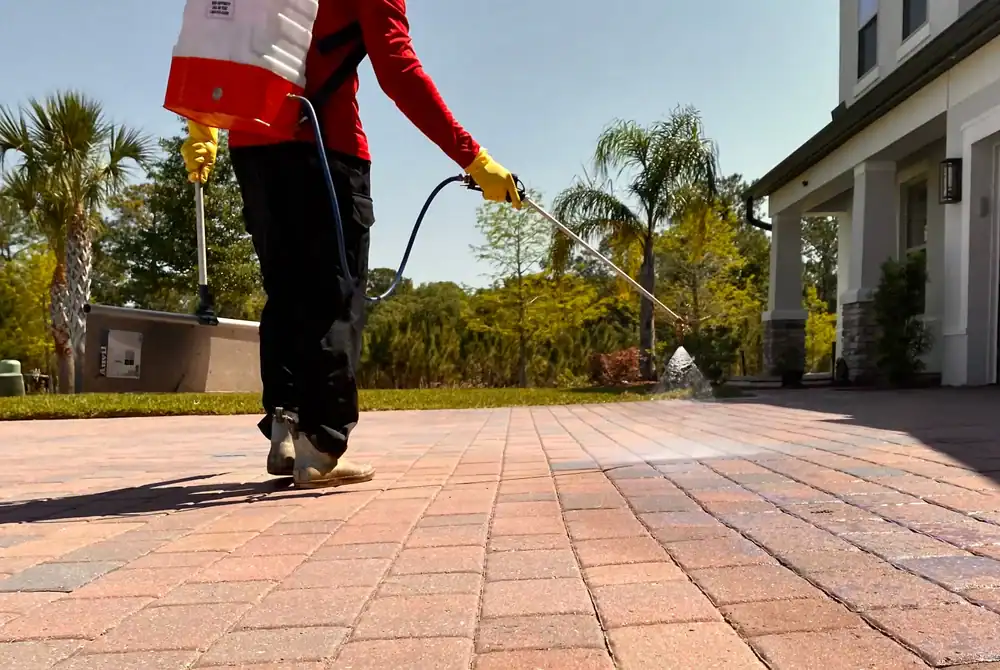
Most pavers in Florida need resealing every two to three years. That timeline shifts depending on sun exposure, traffic, and whether you’re using a topical or penetrating sealer.
Topical sealers enhance color and provide a glossy or matte finish, but they wear faster under UV and foot traffic. Penetrating sealers soak into the paver and last longer, but they don’t change the appearance as much. If your pavers are in full sun or get heavy use—like a driveway—you’ll be on the shorter end of that range.
You’ll know it’s time when water stops beading on the surface, color starts fading again, or you see stains that won’t wash off. Waiting too long means you’re back to square one: cleaning, repairs, and more prep work before resealing. Staying on schedule keeps the process simple and your pavers protected.
You can seal pavers yourself, but most DIY jobs fail because of improper prep, wrong products, or bad timing. Sealing isn’t just rolling on a coat and calling it done.
If the surface isn’t completely clean, the sealer won’t bond. If moisture is trapped, you get haze or peeling. If you use a big-box sealer not rated for Florida’s climate, it breaks down in months. And if you apply too much or too little, you either waste money or get no protection.
Professional paver sealing means commercial-grade products, proper equipment, and experience with Florida conditions. We know how long surfaces need to dry, which sealer works for your specific pavers, and how to avoid the mistakes that turn a weekend project into an expensive redo. If your pavers matter to you, hire someone who does this daily—not once every few years.
It depends on the sealer and the finish. High-gloss topical sealers can create a slick surface when wet, especially around pool decks. That’s why we don’t automatically use them everywhere.
For areas that get wet or see foot traffic, we recommend a matte or satin finish, or a penetrating sealer that doesn’t change the texture. You still get protection and color enhancement without turning your patio into a slip hazard. If you want a wet look but need traction, we can add a non-slip additive to the sealer.
This is why the conversation matters before we start. Your pavers aren’t just decorative—they’re functional. We match the product to how you actually use the space, not just what looks good in a photo. Safety and durability come first.
Professional paver sealing typically runs between $1.25 and $4.00 per square foot, depending on the condition of your pavers, the type of sealer, and how much prep work is needed. If your pavers are in rough shape—heavy staining, sand loss, shifting—you’ll be closer to the higher end because there’s more to fix before sealing.
A standard driveway might run $500 to $1,500. A large patio or pool deck could be $1,000 to $3,000. That’s a fraction of what replacement costs, and it adds years to your investment.
We don’t give quotes over the phone because every job is different. We need to see the surface, understand what you’re dealing with, and recommend the right approach. What we won’t do is sell you sealing if your pavers need replacement, or skip steps to hit a lower price. You’re paying for work that lasts—not work that looks good for three months.
Most sealers are dry to the touch within a few hours, but full cure takes 24 to 48 hours depending on temperature, humidity, and the product used. You’ll need to stay off the surface during that time—no foot traffic, no vehicles, nothing that could damage the finish before it hardens.
In Florida, heat speeds up drying, but humidity can slow it down. We schedule jobs based on weather to avoid rain, excessive moisture, or conditions that interfere with curing. Rushing this part ruins the job.
Once cured, your pavers are ready for normal use. The sealer has bonded, the protection is active, and you’re good to go. We’ll let you know exactly what to expect based on the sealer we’re using and the forecast. No guessing, no surprises.
Yes, but the process is different. Old sealer needs to be stripped or cleaned off before applying a new coat, especially if it’s peeling, hazed, or unevenly worn. Sealing over failing sealer just locks in the problem.
We’ll assess what’s on your pavers now and determine whether we need to strip it completely or if a deep clean is enough. Some sealers can be recoated if they’re still in decent shape. Others need full removal. It depends on the product, how long it’s been there, and how it’s holding up.
Resealing maintains the protection you already have. Skipping it means you lose the benefits—color fades, stains set in, and joint sand washes out again. If your pavers were sealed years ago and you’re not sure what’s left, we’ll figure it out and recommend the right next step. You don’t have to guess.
Useful Links
Other Services we provide in Sugarmill Woods