
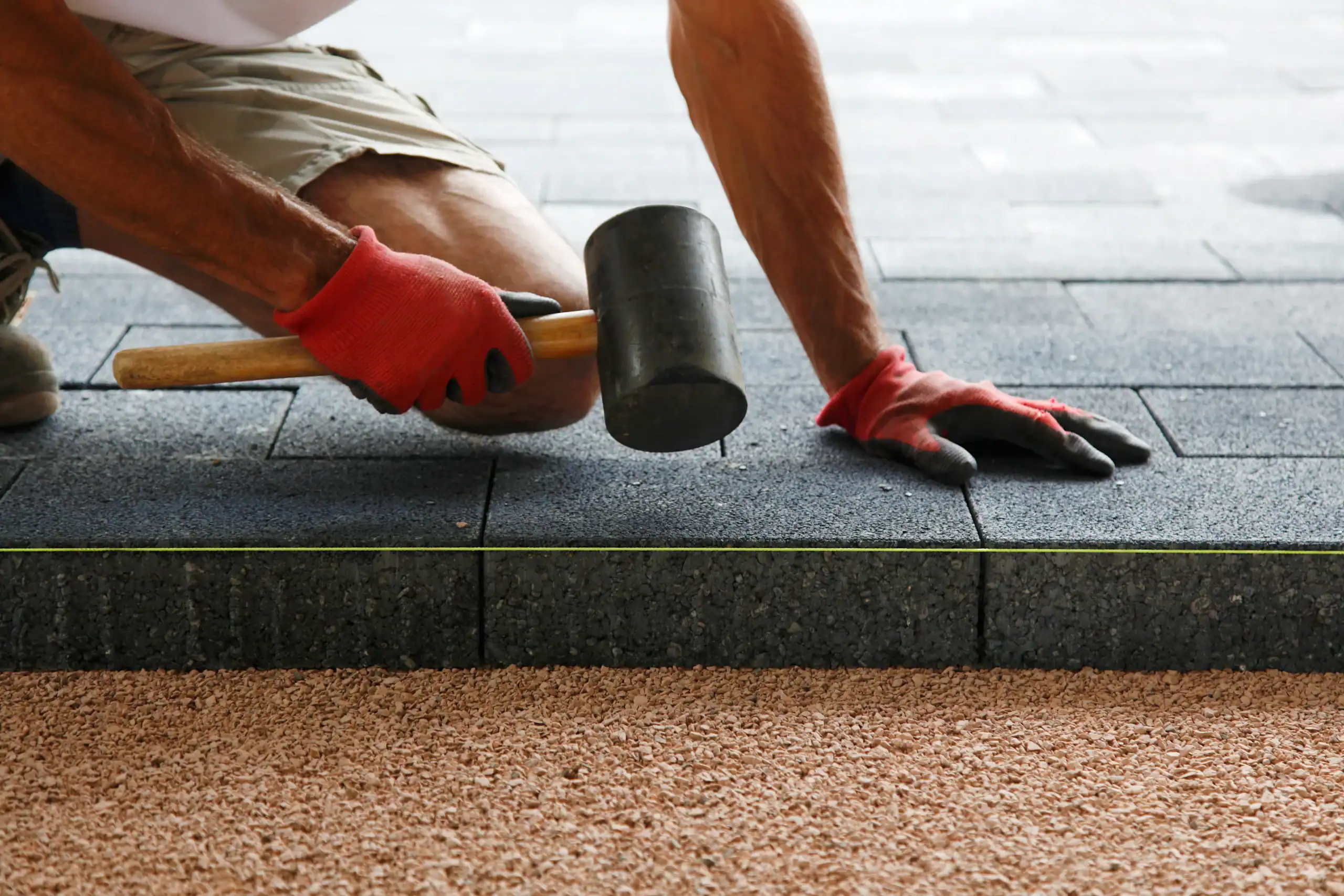
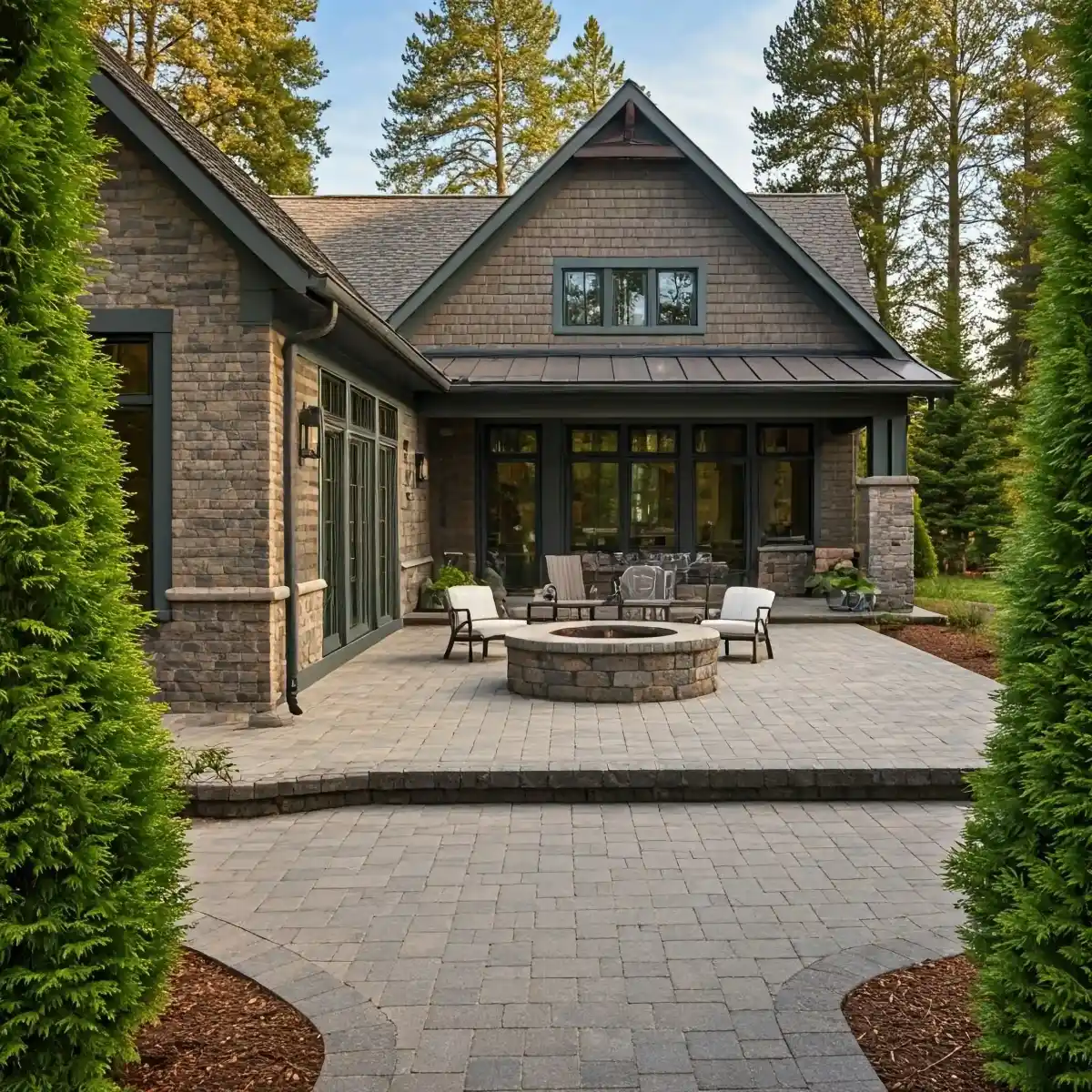
You get a driveway that doesn’t crack when the ground shifts. Pavers flex with Florida’s sandy soil instead of fighting it, which means no spiderweb cracks spreading across your driveway every year.
Water drains through instead of pooling up. That matters during our rainy season when afternoon storms dump inches in minutes. Your driveway stays functional, not flooded.
And if something does get damaged—a tree root, a heavy truck, whatever—you replace one paver. Not the whole slab. You’re not tearing up and repaving your entire driveway because one section failed.
The look is different too. You’re not stuck with plain gray concrete. Pavers come in colors, textures, and patterns that actually make your property stand out. Herringbone, cobblestone, modern slate—whatever fits your home. It’s functional and it looks intentional.
We’ve been installing pavers in Citrus County for nearly 30 years. We’re state-licensed for both landscaping and irrigation, which matters when you’re dealing with Florida drainage issues. We know how water moves here.
We’re Authorized Contractors for Tremron, Flagstone, and Belgard—the manufacturers whose pavers actually hold up. That means you’re getting materials designed for this climate, installed by people who know how they’re supposed to go in.
We’re local. Family-owned. We’ve cleaned up after hurricanes here, supported local kids’ programs, and worked with the Chamber of Commerce. Center Hill isn’t just a service area on a map—it’s where we live and work. When we install your driveway, we’re doing it right because we’ll see you around town.
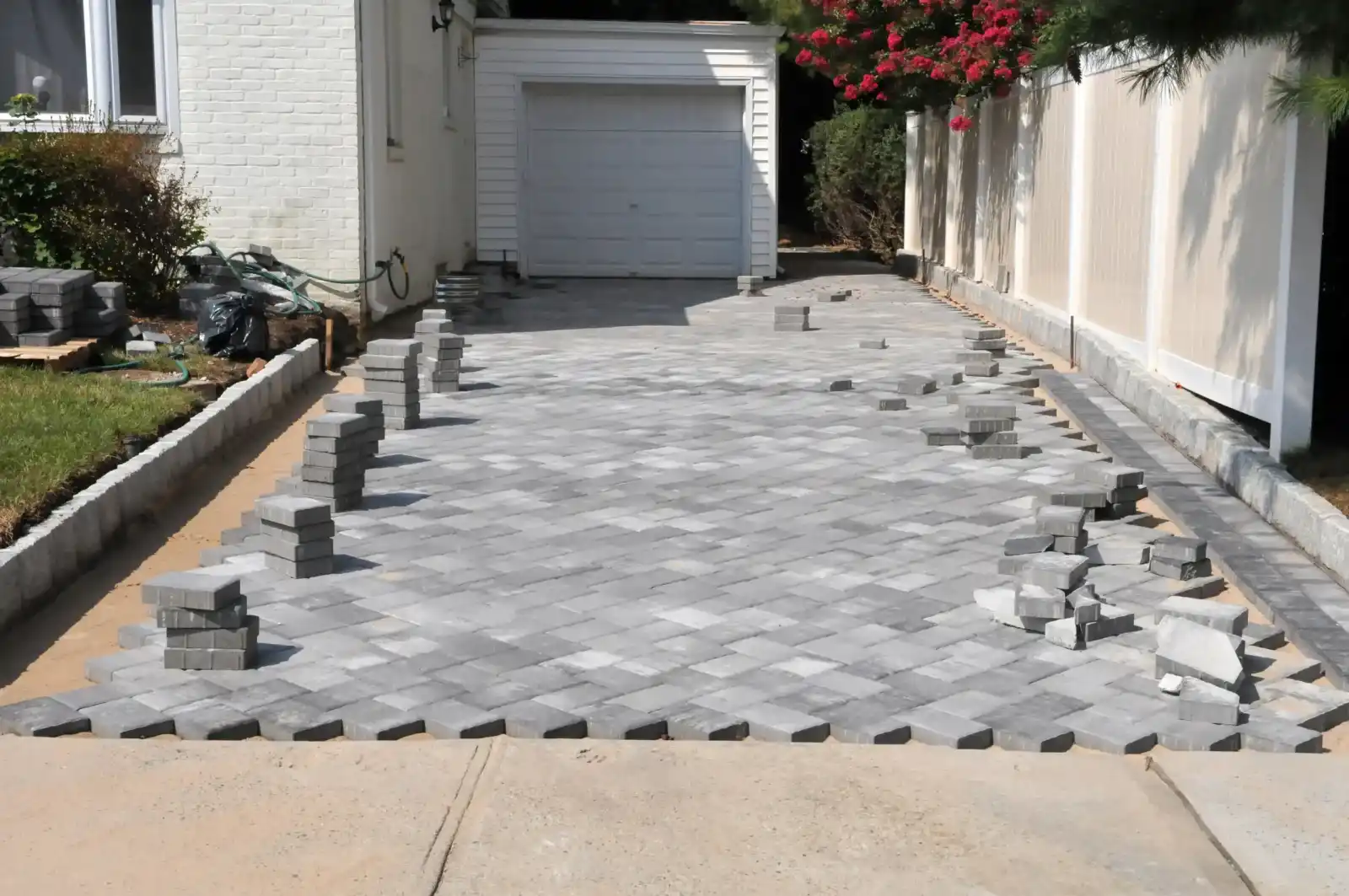
First, we dig out your existing driveway and prep the base. This isn’t just scraping off the top layer—we’re going down to stable ground and building up from there with the right materials. The base determines whether your pavers stay level or start sinking in two years.
We grade for drainage because this is Florida. Water needs somewhere to go, and if we don’t plan for it during installation, you’ll have problems. We handle that upfront with proper slope and base materials that let water move through.
Then we lay the pavers in whatever pattern you picked. Each one gets set level and tight. We’re not rushing through this part—if the pavers aren’t placed right, the whole driveway looks sloppy and wears unevenly.
After the pavers are down, we lock everything in with jointing sand and edge restraints. That keeps pavers from shifting or spreading over time. Then we seal it if you want that extra protection and easier maintenance down the road.
You get a driveway that’s ready to use, built to last, and installed by people who’ve done this thousands of times.
Ready to get started?
You’re getting full site prep—removal of old concrete or asphalt, excavation to proper depth, and a compacted base that won’t settle. We don’t cut corners on the foundation because that’s where most driveway failures start.
Drainage design is part of every install. In Center Hill, we’re dealing with afternoon storms that drop serious rain in short bursts. Your driveway needs to handle that without turning into a pond. We build in the slope and use permeable base materials so water moves where it should.
You’re also getting quality pavers from manufacturers we’re authorized to install—Tremron, Flagstone, Belgard. These aren’t big-box store pavers that fade and crack in two years. They’re rated for Florida’s UV exposure, heat, and humidity. They’re built to take vehicle weight without cracking.
And because we’re licensed irrigation contractors too, we understand how water interacts with your whole property. If your driveway installation affects sprinkler lines or drainage patterns, we handle that coordination. You’re not dealing with three different contractors trying to figure out who’s responsible for what.
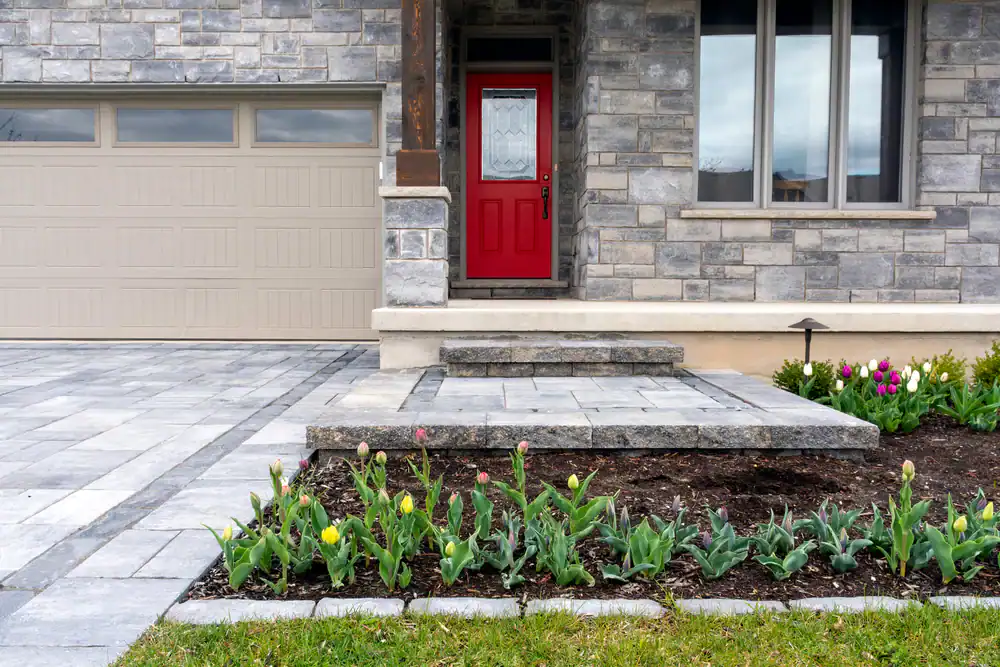
A properly installed paver driveway in Center Hill, FL will outlast concrete by a significant margin. You’re looking at 25 to 50 years depending on the paver quality and how well the base was installed.
Concrete typically cracks within 10 to 15 years here because Florida’s sandy soil shifts and concrete can’t flex with that movement. Pavers move independently, so ground shifts don’t cause the same cracking problems. Each paver adjusts slightly without breaking.
The bigger factor is installation quality. If the base isn’t compacted right or drainage isn’t planned for, even good pavers will settle unevenly. That’s why working with experienced driveway paver installers matters more than the pavers themselves. The materials are only as good as the foundation they’re sitting on.
Pavers cost more upfront—usually about 20% to 40% more than a basic concrete slab. But that’s comparing initial install costs only, not long-term value.
Concrete will crack. When it does, you’re either living with ugly cracks or paying to replace large sections. Sometimes the whole driveway. Pavers let you replace individual pieces if something gets damaged. A tree root pushes up one section? You pull those pavers, fix the root issue, and put the same pavers back. Try that with concrete.
Pavers also add more to your property value than concrete does. Buyers in Center Hill, FL see a paver driveway as an upgrade, not just a functional surface. It signals that the property was maintained with quality materials. That matters when you sell.
So yes, you pay more now. But you’re not paying to repair or replace it in 10 years, and you’re adding more resale value. The math works out better over time.
Not really. You’ll want to rinse them off occasionally and pull weeds from the joints if any pop up, but that’s about it for regular maintenance.
Sealing is optional but recommended every few years. It protects the color from fading in Florida’s sun and makes the surface easier to clean. You can skip sealing if you want—the pavers won’t fail without it—but they’ll look better longer if you do it.
The jointing sand between pavers can wash out over time, especially after heavy rains. You might need to add more sand and re-compact it every few years. That’s a simple fix, not a major project.
Compare that to concrete, where you’re either doing nothing and watching it crack, or you’re patching cracks constantly and it still looks bad. Pavers require less reactive maintenance because they’re not failing the same way concrete does. You’re maintaining appearance, not structural integrity.
Quality pavers are specifically manufactured to handle UV exposure and heat cycles. The pavers we install from Tremron, Flagstone, and Belgard are all tested for Florida conditions—they’re made for this climate.
Fading can happen with any outdoor material, but high-quality pavers fade much slower than cheap ones. The color is mixed throughout the paver, not just on the surface, so even as they age they don’t look washed out. Sealing helps slow UV damage even more.
Heat absorption is real—pavers do get hot in direct sun. But they cool down faster than concrete or asphalt. And because they’re individual pieces with joints between them, they expand and contract with temperature changes without cracking. Concrete expands too, but it’s one solid piece, so it cracks when it can’t move.
If you’re worried about heat underfoot around a pool deck, that’s a different conversation. But for a driveway in Center Hill, FL where you’re driving on it, not walking barefoot, heat isn’t a functional problem. The pavers perform fine.
It depends on your home’s style and what you’re going for, but herringbone and running bond patterns are the most popular for driveways because they’re strong and they look clean.
Herringbone is the most durable pattern for vehicle traffic. The interlocking layout distributes weight better than other patterns, so you get less settling and shifting over time. It also looks sharp—more detailed than a basic grid.
If you want something that feels more traditional or rustic, cobblestone-style pavers give you that old-world look without the maintenance of actual cobblestone. They work well with ranch-style homes common in Center Hill.
For a modern look, larger format pavers in gray or beige tones with a running bond pattern keep things sleek and simple. That’s trending right now and it fits contemporary home styles.
Color-wise, earth tones—warm browns, tans, soft grays—are popular because they don’t show dirt as much and they match Florida landscaping. Avoid anything too light if you have oak trees or other plants that drop debris. You’ll spend more time cleaning.
Pavers drain better than concrete because water can move through the joints between each paver instead of sitting on top of a solid surface. That’s a big advantage during Florida’s rainy season when storms drop inches of rain in an hour.
We also build drainage into the base during installation. The gravel and sand base layers are permeable, so water that gets through the joints keeps moving down into the ground instead of pooling under your driveway. If the base isn’t done right, water gets trapped and causes settling. That’s why proper base prep matters.
For properties with serious drainage issues, permeable pavers are an option. These have wider joints or built-in spacers that let even more water through. They’re becoming more popular in Florida because they reduce runoff and prevent flooding around your driveway.
The slope of your driveway matters too. We grade everything during install so water moves away from your house and toward drainage areas. Even with permeable pavers, you don’t want water flowing toward your foundation. We plan that out before we start laying pavers so you don’t have water problems later.
Useful Links
Other Services we provide in Center Hill