
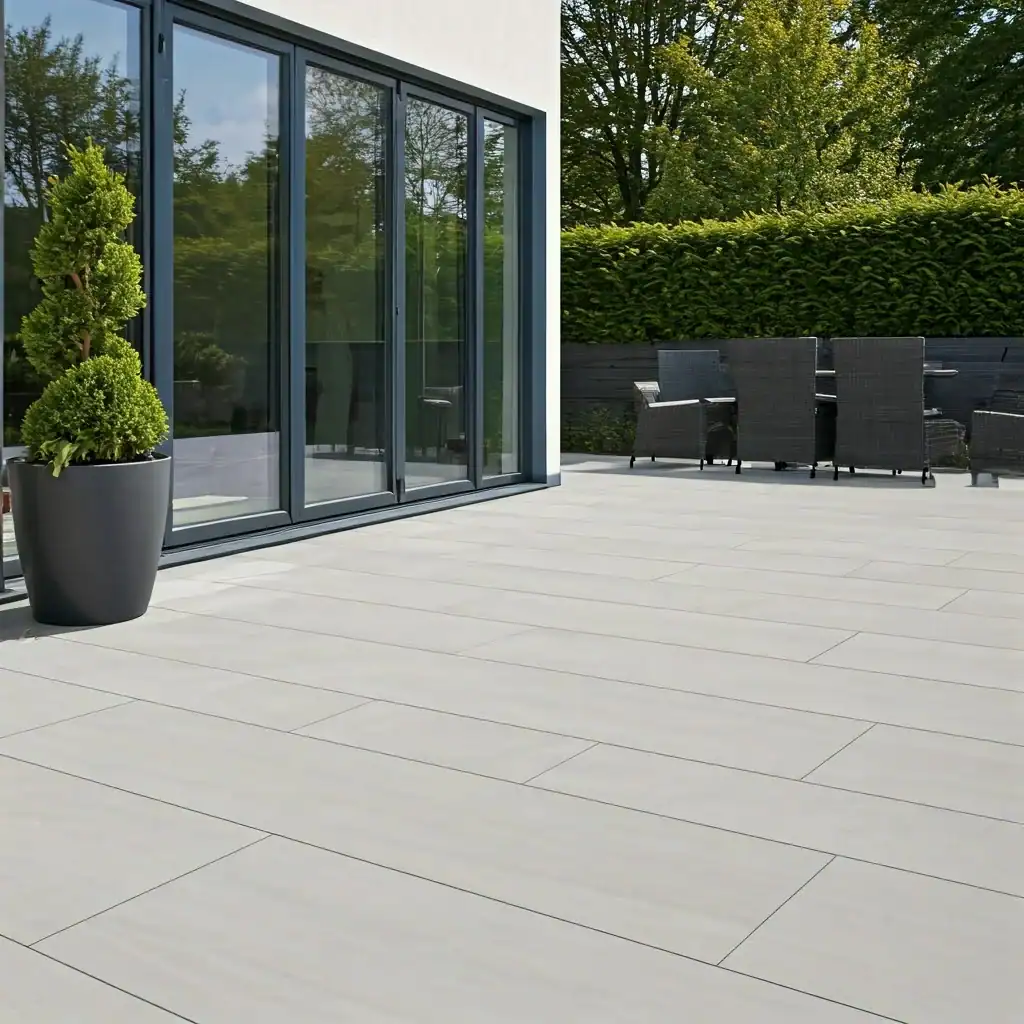
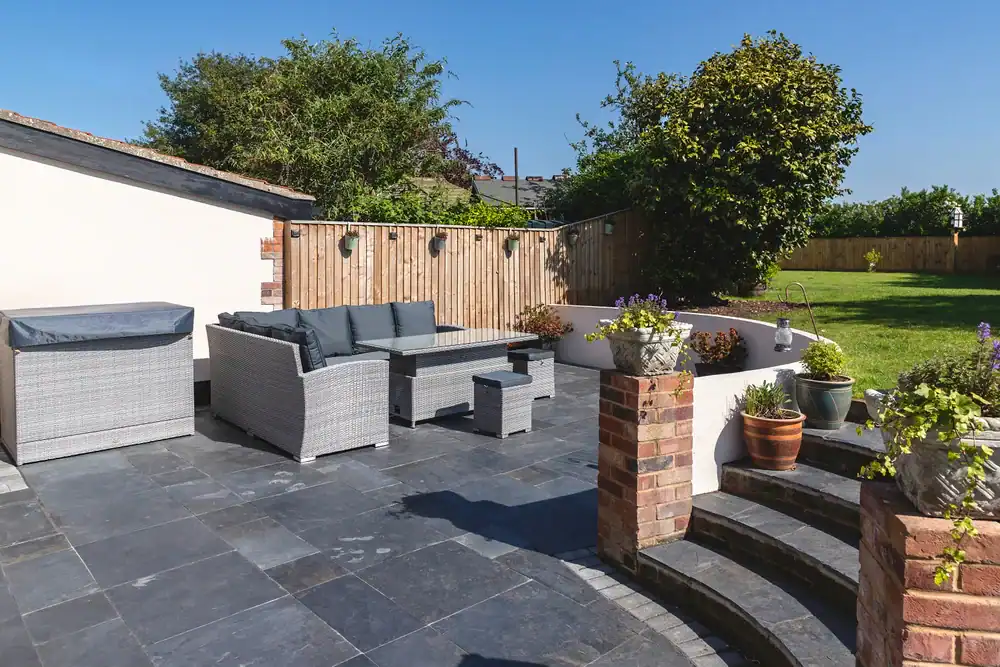
Your concrete patio is cracking. Water pools after every afternoon storm. The surface stays slick for hours, and you’re tired of looking at it.
Here’s what changes when you install pavers the right way. You get a surface that flexes with Florida’s ground shifts instead of cracking apart. Water drains through instead of sitting on top. The patio stays cooler underfoot even in July, and you can walk on it twenty minutes after a downpour.
You’re also looking at a 50-75% return on your investment when you sell. That’s real money back, not just curb appeal. And because interlocking pavers don’t crack like poured concrete, you’re not paying for repairs every few years.
This isn’t about making your backyard look nice—though it will. It’s about building something that works in Center Hill’s climate and actually holds up.
We’ve been installing paver patios in Citrus County since 1995. We’re a family-owned business, and we’re Authorized Contractors for Tremron, Flagstone, and Belgard—the brands that actually last in Florida.
Center Hill homeowners deal with specific challenges: afternoon storms that dump inches of rain in minutes, sandy soil that shifts, heat that cracks cheaper materials. We’ve been handling those conditions for decades, and we know what works here.
You’re not getting a crew that learned paver installation from YouTube. You’re getting state-licensed professionals who’ve done this thousands of times, in this exact climate, with the materials that hold up best.
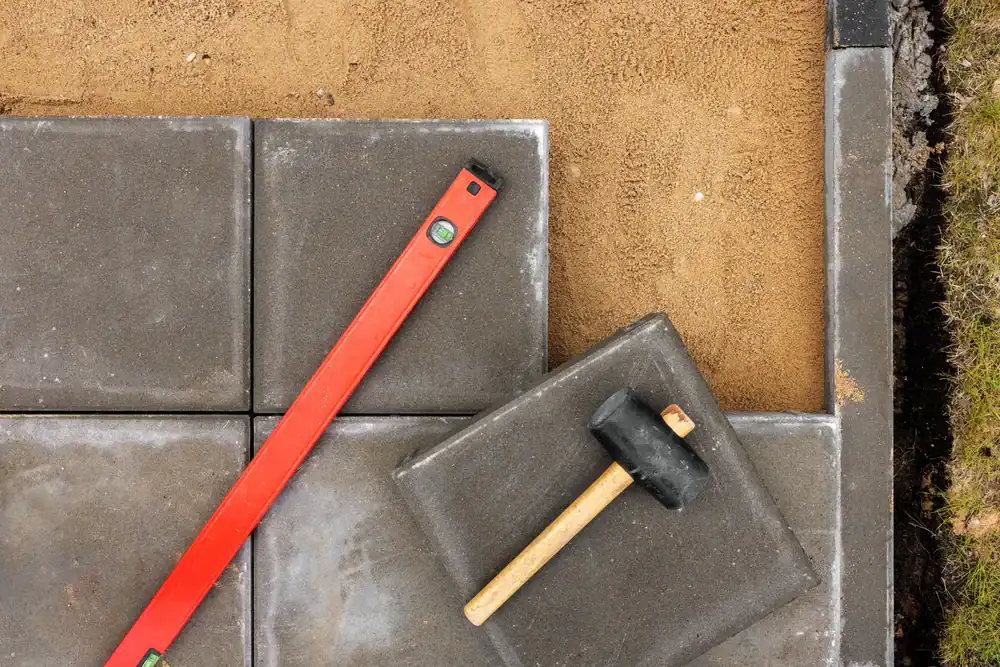
First, we excavate your existing patio area and prep the base properly. This matters more than most homeowners realize—Florida’s sandy soil needs specific base preparation or your pavers will shift within a year.
We install a compacted gravel base with the right drainage slope for Center Hill’s rainfall patterns. Then we add a layer of sand, screed it level, and start laying your pavers in your chosen pattern. Every paver gets set precisely—no gaps, no wobbling, no shortcuts.
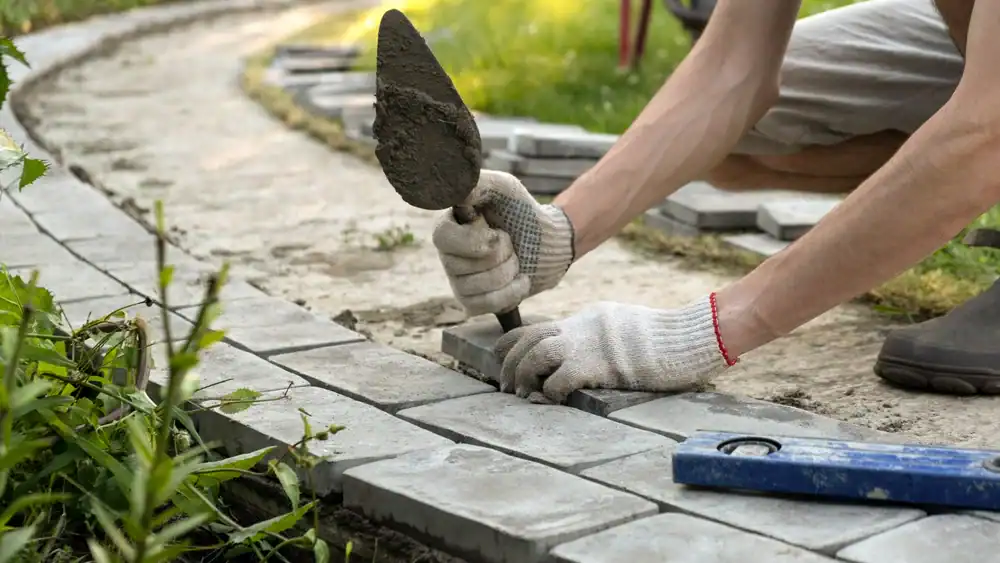
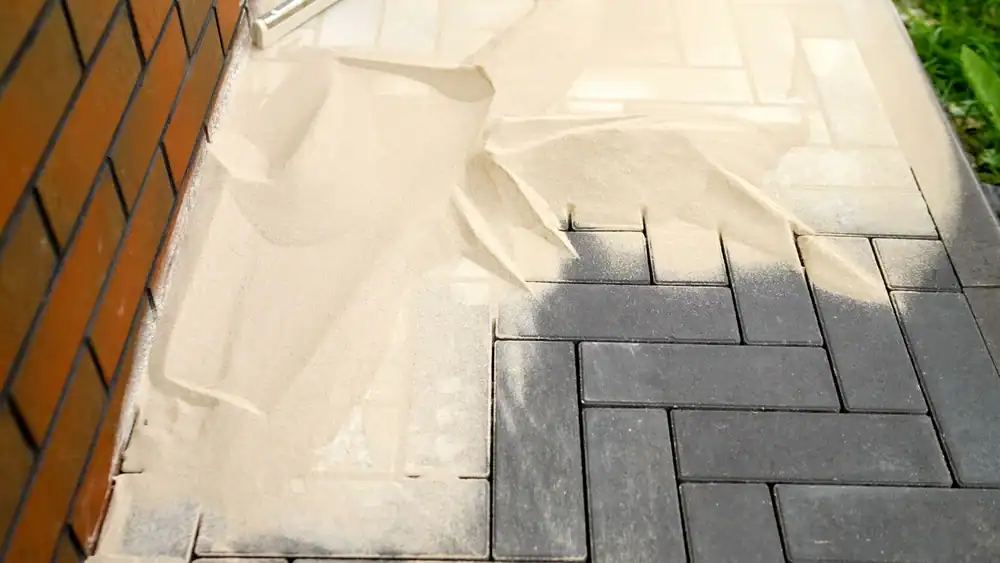
Once the field is complete, we cut edge pavers to fit perfectly, install restraints to lock everything in place, and sweep polymeric sand into the joints. This sand hardens when wet, which keeps your pavers from shifting and prevents weed growth between stones.
The final step is compacting everything with a plate compactor and doing a final sweep. You can typically walk on your new patio the same day, and it’s fully cured within 24-48 hours.
Ready to get started?
Your patio paver installation in Center Hill, FL includes complete site preparation, proper base installation with drainage grading, your choice of authorized Tremron, Belgard, or Flagstone pavers, professional layout and cutting, edge restraints, polymeric sand jointing, and final compaction.
We’re seeing more Center Hill homeowners choose permeable pavers in 2025. These let water drain straight through instead of running off, which matters when you’re getting those heavy afternoon storms. They cost slightly more upfront but solve drainage problems that would otherwise require additional work.
You also get options most contractors can’t offer. We’re the exclusive Seal ‘n Lock distributor in Citrus County, which means access to premium sealing products that protect your investment. And because we’re authorized for three major manufacturers, you’re choosing from hundreds of colors, textures, and patterns—not just what one supplier stocks.
The other thing you get: accurate timelines. We show up when we say we will, we finish when we say we will, and we don’t disappear halfway through your project to start someone else’s.
A properly installed paver patio in Center Hill should last 25-30 years minimum, often longer. That’s assuming correct base preparation, quality pavers from manufacturers like Tremron or Belgard, and basic maintenance like occasional re-sanding of joints.
Compare that to poured concrete, which typically starts cracking within 5-10 years in Florida. The difference comes down to how the materials handle ground movement and temperature swings. Concrete is rigid—when the ground shifts or temperatures change, it cracks. Pavers are individual units that can move slightly without breaking.
The key is installation quality. If someone skips proper base prep or uses inadequate materials, you’ll see problems within a few years regardless of the paver quality. That’s why manufacturer authorization matters—companies like Tremron only authorize contractors who meet their installation standards.
Pavers cost roughly 2-3 times more than poured concrete upfront. For a typical Center Hill patio, you’re looking at $15-25 per square foot for quality paver installation versus $6-12 for basic concrete.
But here’s what that comparison misses: concrete will crack and need replacement or major repairs within 10-15 years. Pavers last 25-30+ years with minimal maintenance. If one paver gets damaged, you replace that one paver—not the entire patio.
You’re also getting 50-75% of your installation cost back when you sell your home. Concrete patios don’t add nearly that much value because buyers know they’re looking at eventual replacement. And pavers stay cooler in summer, drain better after storms, and don’t get slippery the way sealed concrete does. You’re paying more because you’re getting more—not just aesthetically, but functionally.
Drainage is built into every step of the installation process. We grade the base with a minimum 2% slope away from your house, which means water moves off the patio instead of pooling or flowing toward your foundation.
The base itself includes a compacted gravel layer that allows water to percolate down and away. Then the pavers sit on top with small gaps between each unit—those gaps let water drain through instead of sitting on the surface. This is especially important in Center Hill where you can get 2-3 inches of rain in an afternoon storm.
For areas with serious drainage challenges, we recommend permeable pavers. These have wider joints that let even more water through, and they’re becoming increasingly popular in Florida for exactly this reason. The bottom line: a properly installed paver patio should be dry and walkable within 20-30 minutes after heavy rain, not hours later like concrete often is.
Yes, but only if you’re using quality pavers designed for Florida’s climate. The brands we install—Tremron, Belgard, and Flagstone—all manufacture pavers specifically engineered for UV resistance and thermal stability.
These pavers won’t fade significantly over time because the color goes all the way through the paver, not just on the surface. They’re also designed to expand and contract with temperature changes without cracking. This matters in Center Hill where your patio might be 150+ degrees in July and 50 degrees in January.
Heat retention is another consideration. Lighter-colored pavers stay significantly cooler than dark pavers or concrete, which matters if you’re walking barefoot or your dog uses the patio. Travertine pavers are especially popular for this reason—they can be 20-30 degrees cooler than concrete at the same air temperature. We’ll walk you through material options based on how you actually use your outdoor space, not just what looks good in a catalog.
Maintenance is minimal compared to other outdoor surfaces. You’ll want to sweep or blow off debris regularly, just like you would any outdoor area. Once a year, spray down the patio with a hose and check the joint sand—if it’s gotten low in spots, add more polymeric sand.
Every 2-3 years, consider resealing if you opted for sealer initially. This isn’t required, but it enhances color and makes the pavers easier to clean. We’re the exclusive Seal ‘n Lock distributor in Citrus County, so we can handle this for you or provide the products if you want to do it yourself.
If a paver gets damaged—which is rare but possible—you can replace just that one paver without disturbing the rest of the patio. Try doing that with concrete. The other thing: weeds occasionally pop up in joints despite polymeric sand. Pull them when you see them, or hit them with standard weed killer. That’s really it. No resurfacing, no crack filling, no major repairs if the installation was done right from the start.
Yes. Our installation work comes with a warranty that covers workmanship defects, and the pavers themselves carry manufacturer warranties ranging from 25 years to lifetime depending on the specific product you choose.
What this means practically: if your patio develops problems because of installation errors—improper base prep, incorrect drainage, poor compaction—we fix it. If pavers fail due to manufacturing defects, the manufacturer replaces them. What’s not covered: damage from external factors like vehicles driving on areas not designed for that weight, or ground settling from issues unrelated to our installation.
We’ve been doing this since 1995, and we’re still here serving Center Hill and the rest of Citrus County. That longevity matters when you’re talking about warranties—you need a company that’ll actually be around in five or ten years if something needs attention. We’re a family business building a legacy here, not a crew that’ll be gone next year. If there’s ever an issue with our work, we make it right.
Useful Links
Other Services we provide in Center Hill