
You’re looking at your yard after another storm cleanup bill. Or you’re tired of watching expensive plants die in the summer heat. Maybe you’re just done spending weekends fighting drainage problems that never seem to get fixed.
Here’s what changes when your landscape design in Center Hill, FL actually accounts for our climate. You stop replacing the same plants every year because someone finally chose species that belong here. Your drainage works because it was designed around Florida’s soil and rainfall patterns, not copied from a generic plan. Storm season doesn’t mean automatic destruction because your trees and hardscaping were positioned with wind load and water flow in mind.
The difference shows up in your water bills, your maintenance time, and how your property looks in July versus January. Real landscape design for Center Hill means understanding that what works in other states fails here. It means knowing which native palms handle wind, where water naturally wants to flow on your property, and how to build outdoor spaces you’ll actually use instead of just look at.
We’ve been a family-owned landscaping company in Center Hill, FL since 1995. That’s three decades of watching what fails after hurricanes, what thrives in our soil, and what drainage solutions actually hold up.
We’re state-licensed irrigation contractors and authorized installers for Tremron, Flagstone, and Belgard. We’re also the only Seal ‘n Lock distributor in Citrus County. Those certifications matter because they mean manufacturer backing, proper installation standards, and access to materials that last.
You’re working with people who helped with cleanup after the last major storm. Who know the difference between Center Hill’s soil composition and what you’ll find ten miles away. Who’ve installed enough irrigation systems here to know exactly how water restrictions and weather patterns affect your options.
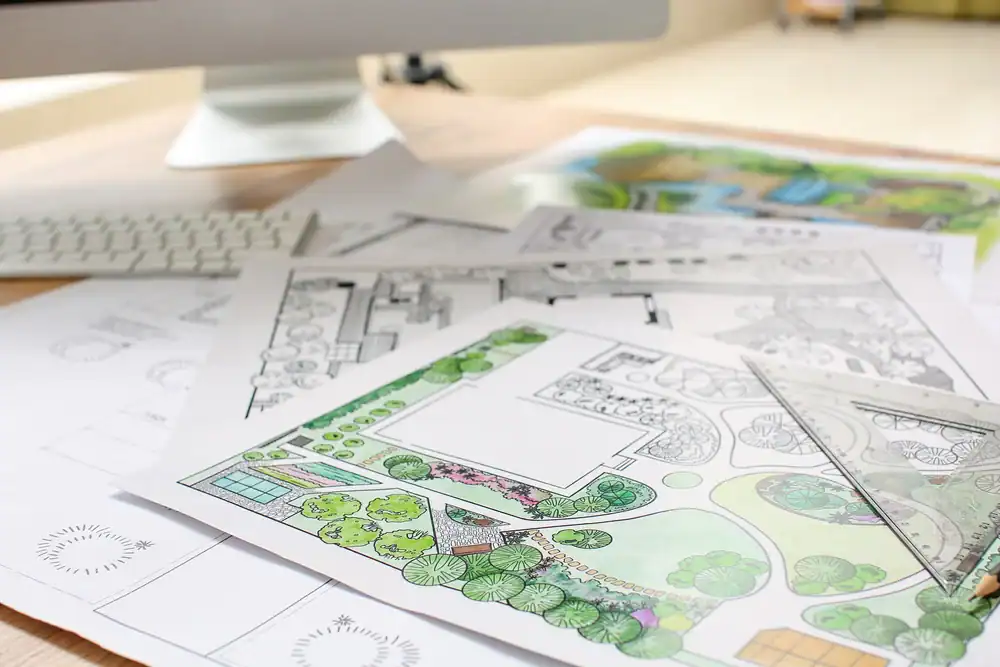
First, we look at your property’s drainage, sun exposure, soil type, and wind patterns. Not the neighborhood’s general conditions—your specific lot. Because that low spot that floods isn’t a mystery, it’s physics, and we need to see it to fix it.
Then we talk about what you actually want to use the space for. Entertaining matters differently than curb appeal. Low maintenance means something specific when you travel half the year. Hurricane resistance changes plant selection entirely if you’re near open fields versus sheltered by other homes.
Design comes next, but it’s based on what we found, not what looks good in a portfolio. We’re selecting plants by root structure and wind tolerance, not just color. Planning hardscaping around water flow. Positioning trees where they won’t threaten your roof in fifteen years.
Installation means our crews handle everything—landscape design, irrigation, hardscaping, and planting. You’re not coordinating multiple companies or hoping different contractors’ work actually connects properly. One team, one timeline, one point of contact.
After installation, you know exactly what maintenance your landscape needs and when. We can handle it, or you can. Either way, you’re not guessing about watering schedules or wondering why something’s dying.
Ready to get started?
Landscape design in Center Hill, FL starts with site analysis—drainage patterns, soil testing, sun mapping, and wind exposure assessment. You need to know what your property does with water before you start digging or planting anything.
Plant selection focuses on species that handle Central Florida’s conditions. That means native and adapted plants with root systems that anchor in storms, foliage that doesn’t shred in wind, and water needs that match our rainfall patterns and restriction schedules. Live Oak, Southern Magnolia, Sabal Palm, Coontie, Muhly Grass—plants that belong here.
Hardscaping design accounts for drainage, not just aesthetics. Paver driveways, walkways, and patios need proper base preparation and grading in Florida’s soil. Retaining walls have to handle water pressure during heavy rains. Fire features and outdoor kitchens need positioning that makes sense for wind and usage patterns.
Irrigation design comes from our state-licensed contractors who know local water restrictions and soil percolation rates. Smart controllers adjust for weather. Zone planning matches plant water needs. Backflow prevention meets county codes. The system works with your landscape, not against it.
The result is a complete plan that addresses drainage problems, reduces long-term maintenance, survives storm season, and actually increases your property value. Everything’s designed to work together because one company handled all of it.
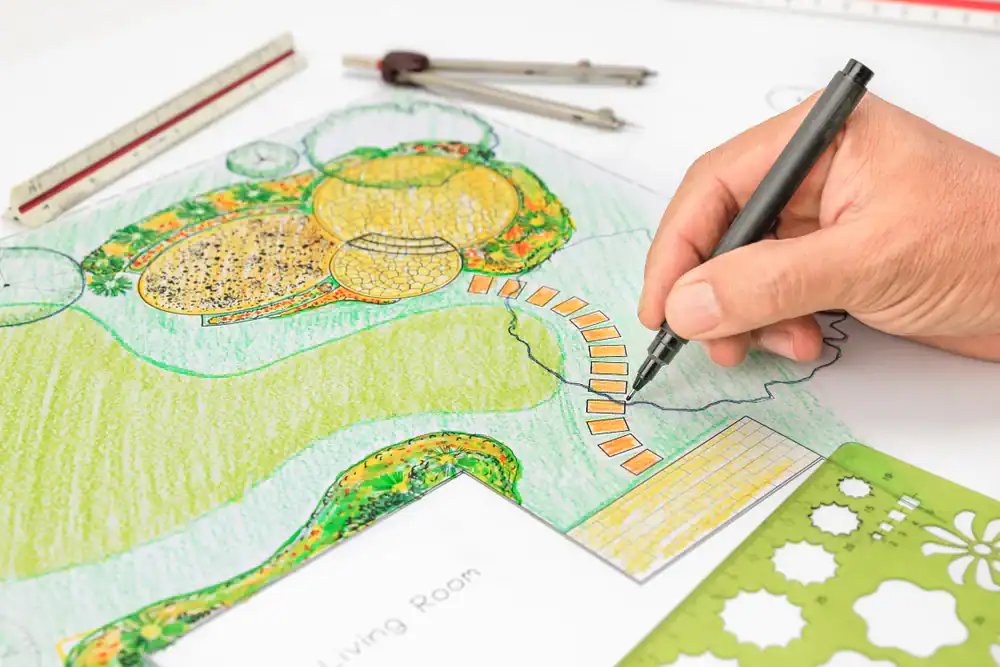
Design costs depend on property size, scope, and what problems you’re solving. A front yard refresh with new plantings and simple hardscaping runs differently than a complete property transformation with drainage correction, irrigation installation, and extensive hardscaping.
Most landscape design projects in Florida range from $2,000 to $7,000, with the average around $4,500. But that’s just design. Installation costs vary based on materials, site conditions, and labor requirements. Paver installation costs more than plant beds. Drainage correction adds to the budget. Irrigation systems vary by property size and zone requirements.
Here’s what affects your cost: existing drainage problems that need correction, soil conditions requiring amendment, tree removal or relocation, irrigation system complexity, hardscaping materials and square footage, plant selection and maturity, and site accessibility for equipment. We give you a clear estimate after seeing your property and understanding what you want. No guessing, no surprise additions later.
Hurricane resistance starts with plant selection. Native and adapted species with flexible trunks and strong root systems survive wind better than ornamentals bred for appearance. Palms like Sabal and Paurotis bend instead of breaking. Live Oaks have root structures that anchor deep. Avoid shallow-rooted species and anything with brittle wood.
Tree placement matters as much as species. Large trees need distance from structures based on mature height and canopy spread. Prevailing wind direction affects positioning. Clustering plants creates wind tunnels—spacing prevents it. Crown thinning on mature trees reduces wind resistance before storm season.
Hardscaping needs proper installation to stay put. Pavers require correct base depth and edge restraint. Retaining walls need drainage provisions so water pressure doesn’t blow them out. Loose decorative rock becomes projectiles—use larger stone or secure smaller materials. Irrigation systems should have main shutoffs accessible before evacuation. Design choices made now determine what you’re cleaning up later.
Drainage correction starts with understanding where water comes from and where it wants to go. We map your property’s grade, identify low spots, track water flow during rain, and check soil percolation rates. Most drainage problems come from poor grading, compacted soil, or hardscaping that blocks natural flow.
Solutions depend on your specific situation. French drains redirect water underground to appropriate discharge points. Swales channel surface water along designed paths. Catch basins collect water from low spots. Dry creek beds handle overflow while adding landscape interest. Sometimes you need grading correction to change slope direction. Other times you need soil amendment to improve absorption.
Plant selection helps too. Rain gardens with water-tolerant native plants absorb runoff in problem areas. Deep-rooted species improve soil structure and percolation over time. Proper irrigation design prevents overwatering that compounds drainage issues. The goal is managing water flow so it doesn’t pool against your foundation, flood your yard, or create mosquito breeding grounds. Every property’s different, but the physics are the same—water flows downhill and needs somewhere to go.
Low-maintenance landscaping in Center Hill, FL means choosing plants adapted to our climate, soil, and rainfall patterns. Native species require less water, fertilizer, and pest control because they evolved here. They also handle heat, humidity, and storm conditions better than imports.
For groundcover and low plants: Coontie, Beach Sunflower, Blanket Flower, and Muhly Grass. Shrubs that thrive here include Simpson’s Stopper, Firebush, Walter’s Viburnum, and Beautyberry. Palms like Sabal, Paurotis, and Saw Palmetto need minimal care once established. Trees such as Live Oak, Southern Magnolia, Dahoon Holly, and Slash Pine provide structure without constant maintenance.
These plants need establishment watering for the first year, then survive on rainfall and occasional irrigation during dry spells. They don’t require frequent pruning, deadheading, or replacement. Pest problems are minimal because native insects and wildlife keep things balanced. You’re not fighting the environment—you’re working with it. That’s what actually reduces maintenance long-term, not just planting anything labeled “easy care” at a big box store.
Timeline depends on project scope and what we’re building. Design phase typically takes one to two weeks after the initial consultation. We need time for site analysis, design development, material selection, and estimate preparation. Rushing this part leads to problems later.
Installation varies widely. Simple projects like front yard plantings with mulch beds might take a few days. Adding irrigation extends it to a week or two. Extensive hardscaping with pavers, retaining walls, or outdoor kitchens can run several weeks depending on size and complexity. Drainage correction adds time based on how much grading and underground work is needed.
Weather affects Florida timelines. Summer rain delays are common. We can’t pour bases or install pavers in standing water. Plant installation timing matters too—some species establish better in certain seasons. Hurricane season sometimes means pausing projects for storm prep. We give you realistic timelines upfront and update you when conditions change things. Most residential landscape design projects in Center Hill complete within four to eight weeks from design approval to final installation, assuming normal weather and no major site complications.
Yes, and here’s why it matters. Florida requires licensing for anyone installing, maintaining, or altering irrigation systems. That’s not bureaucracy—it’s because improper irrigation causes real problems. Cross-connections can contaminate drinking water. Incorrect pressure damages systems and wastes water. Poor design leads to overwatering, fungal problems, and dead zones.
Licensed contractors know backflow prevention requirements, understand county water restrictions, and design systems that match soil types and plant needs. They pull proper permits and schedule required inspections. Their work meets manufacturer specifications for warranties. If something fails, you have recourse through state licensing boards.
Unlicensed irrigation installation might cost less initially, but you’re risking code violations, failed inspections, voided warranties, and systems that don’t work correctly. You might face fines or required removal. Insurance claims get denied if damage comes from unpermitted work. When we design your landscape in Center Hill, our state-licensed irrigation team handles that portion properly. You get systems designed for your specific property, installed to code, and backed by both manufacturer and contractor accountability.
Useful Links
Other Services we provide in Center Hill