
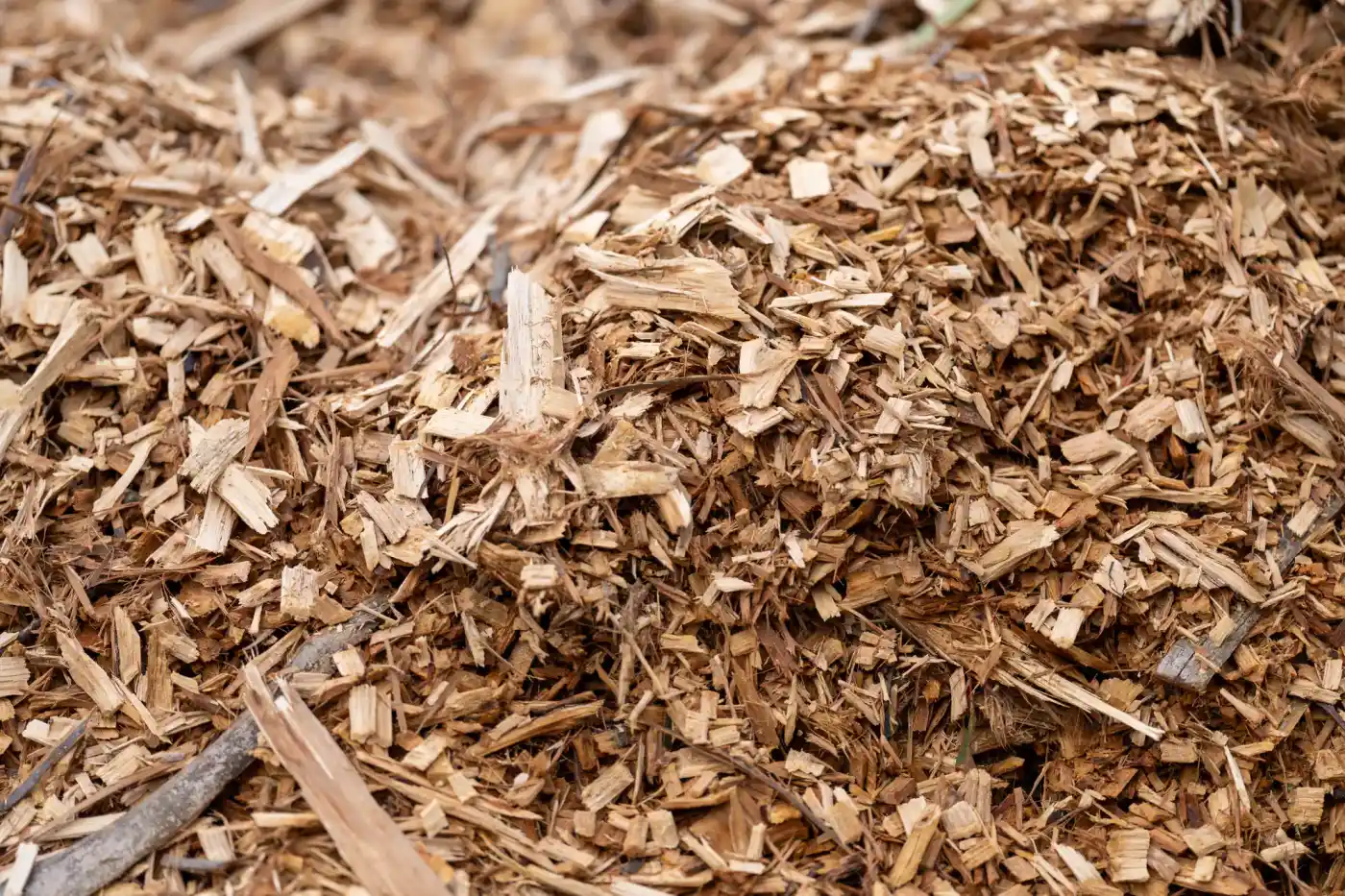
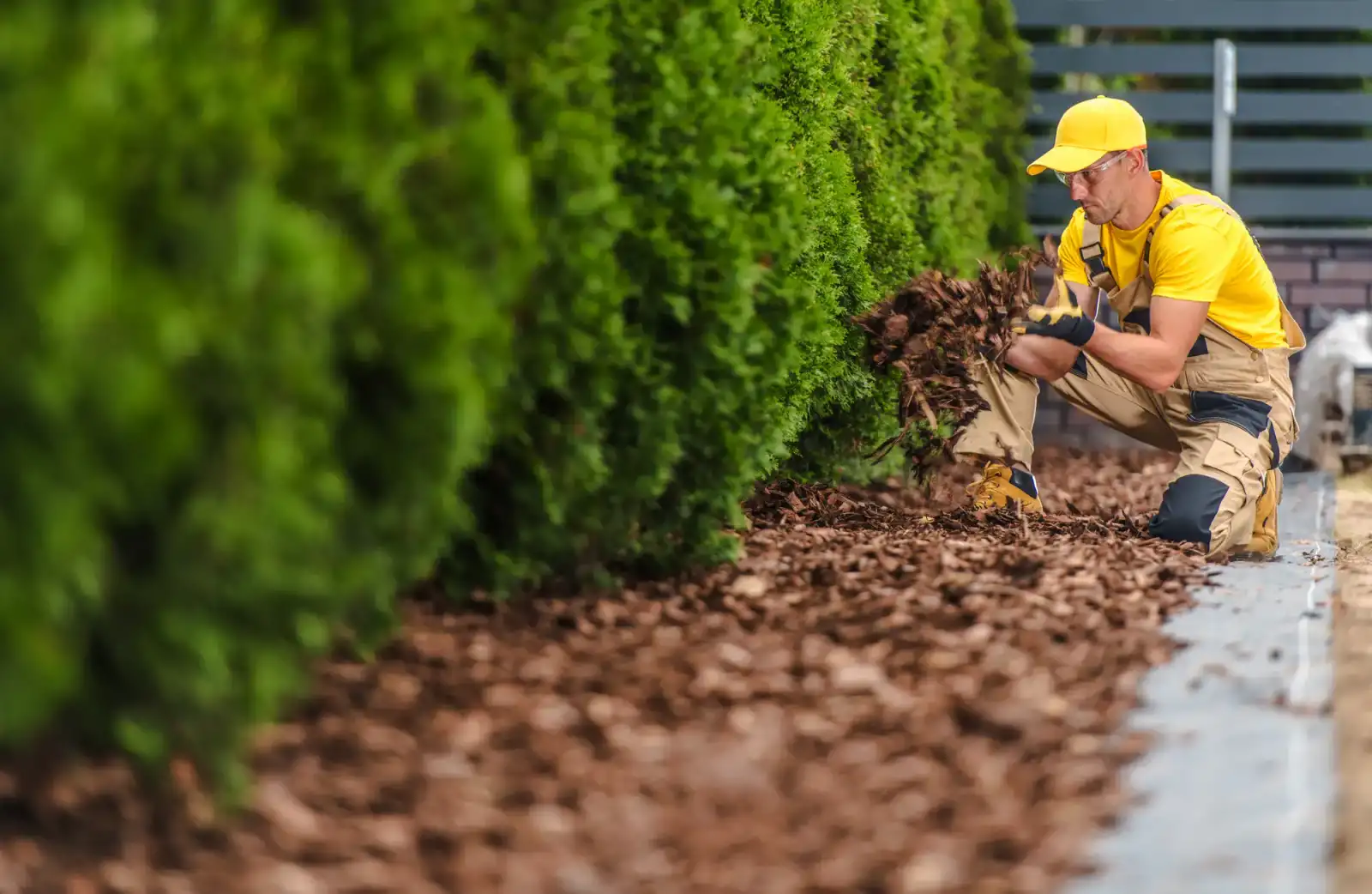
Center Hill sits on sandy, fast-draining soil that doesn’t hold moisture the way denser soils do. When summer temperatures climb and the ground heats up, unprotected beds dry out fast — and once weeds move in, they don’t leave on their own. A properly applied layer of organic mulch changes that equation completely. It keeps soil temperatures down, slows evaporation, and gives your plants a fighting chance through the hottest months of the year.
There’s also the weed pressure to think about. Surrounded by agricultural fields and open land, Center Hill properties deal with constant seed drift from surrounding farmland. Wind carries them in, and bare soil welcomes them. Mulch — applied at the right depth with a pre-emergent underneath — cuts that cycle off before it starts. You stop pulling weeds every weekend and start actually enjoying your yard.
And over time, organic mulch breaks down and feeds the soil beneath it. That matters here more than most people realize. This community built its name on productive land — Center Hill was once called the “Green Bean Capital of the World” for a reason. That same soil, properly maintained, still responds. Mulch is one of the simplest ways to keep building it.
Mainstreet Landscaping has been serving Central Florida families since 1995. That’s not a marketing number — it’s nearly three decades of showing up, doing the work, and building a reputation that holds in tight-knit communities like Center Hill, where word travels and your track record is everything. We’re family-owned, locally operated, and not going anywhere.
We serve Center Hill and the surrounding Sumter County area, and we understand what properties here actually deal with — the sandy soil along the CR 48 corridor, the weed pressure from neighboring agricultural land, the summer heat that punishes anything left unprotected. That’s not something you learn from a manual. It comes from years of working in this specific region.
We also offer discounts for military personnel and first responders — because Sumter County has no shortage of people who’ve served, and we think that deserves real recognition, not just a line on a website.
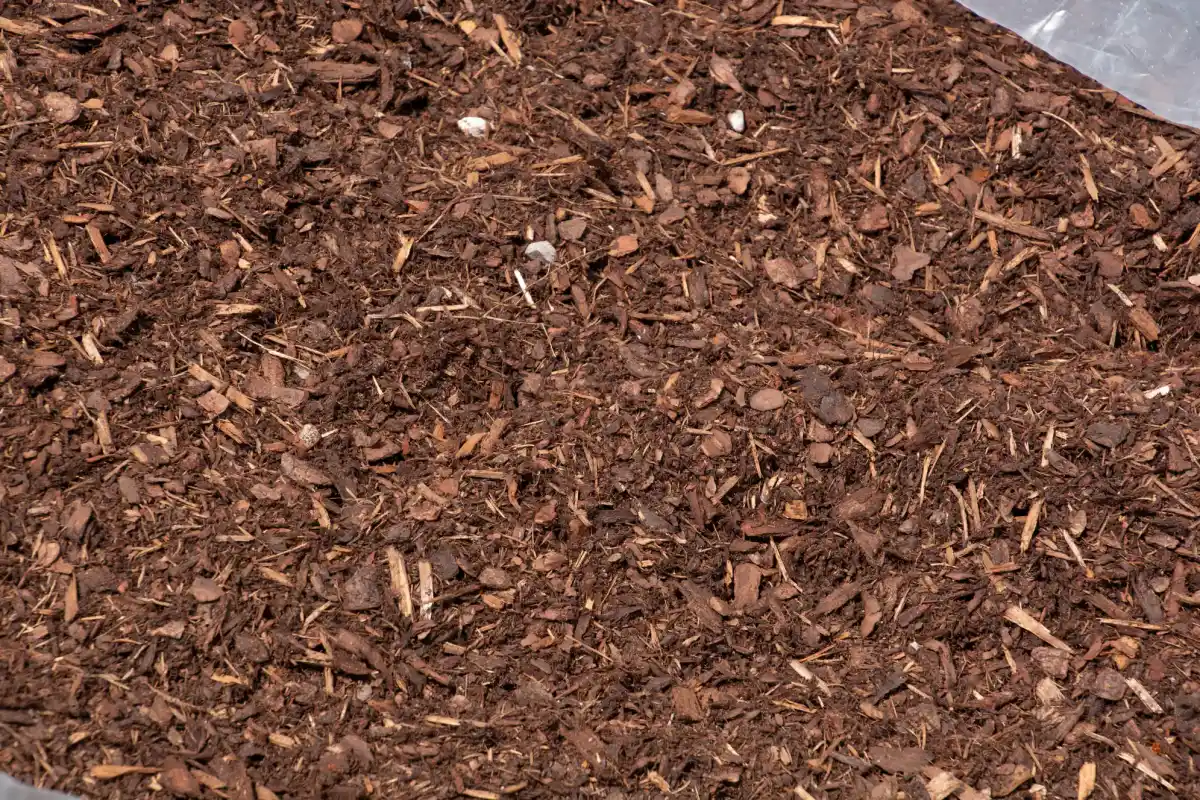
It starts with a free estimate. We come out, look at your beds, assess what’s there — old mulch, weeds, debris, overgrown edges — and give you a clear picture of what the job involves. No vague quotes, no surprises after the fact.
When we show up to do the work, we start by re-edging your beds. Clean, defined edges make a bigger visual difference than most people expect, and they keep mulch where it belongs instead of migrating into the lawn. From there, we clear out whatever shouldn’t be there — old broken-down mulch, weeds, debris — so the new material is going down on a clean surface. Before the mulch goes in, we apply a pre-emergent treatment. In Center Hill, with the seed pressure coming off surrounding farmland and open land, skipping that step is how you end up pulling weeds again six weeks later.
Then the mulch goes down — at the correct depth, around two to four inches, depending on your beds and plant types. Enough to insulate and suppress. Not so much that it smothers root zones or piles against tree trunks. Timing matters here too. Spring is when most Center Hill homeowners want fresh mulch down before the summer heat arrives, but we work year-round — fall top-ups and winter protection applications are just as important in this climate.
Ready to get started?
Every property in Center Hill is a little different. Older homes along the city’s established streets often have mature oak and pine canopies with root systems that need proper mulch rings — not piled against the trunk, but spread wide enough to protect the root zone from mowing equipment and foot traffic. Newer construction lots on the edges of town frequently have bare, sandy soil that needs mulch to start building any kind of organic structure from scratch. Rural acreage properties have their own demands entirely.
What we bring to every job is the same standard: bed edging, debris and weed removal, pre-emergent application, and fresh mulch installed at the right depth for your specific landscape. We use organic mulch materials suited to Central Florida’s conditions — materials that break down over time and contribute to the soil rather than just sitting on top of it. No dyes, no shortcuts, no mulch volcanoes around your trees.
There are no permits required for standard residential mulching in Center Hill or Sumter County, and Florida state law actually encourages proper mulching as part of its Florida-Friendly Landscaping guidelines — it conserves water and improves soil health. So you’re not fighting any red tape here. You’re just getting the work done right, by a team that’s been doing it in this region for nearly thirty years.

In most cases, once a year is the minimum for Center Hill properties — and twice a year is genuinely worth it if you want consistent weed suppression and moisture retention. Florida’s heat and humidity break organic mulch down faster than most homeowners expect. What looks like a solid two-inch layer in April can be a thin, patchy mess by September after the summer rainy season moves through.
The timing that works best for most Center Hill yards is a spring application before the heat peaks, and a fall refresh after the growing season winds down. The spring application gives your beds protection heading into the most stressful months. The fall application keeps things looking sharp through the cooler months and gives your soil some insulation on the occasional nights when Center Hill sees a light frost. If you’re only doing one application per year, spring is the priority.
Organic mulches — pine bark, shredded hardwood, and eucalyptus are all common in Central Florida — are generally the right call for sandy soil like what you find throughout Sumter County and Center Hill. The reason is simple: organic material breaks down over time and adds the organic matter that sandy soil is naturally low in. That decomposition process is slow, but it’s cumulative. Over several seasons of regular mulching, you’re actually improving the soil beneath your beds, not just covering it.
Pine bark tends to hold up well in Florida’s heat and doesn’t float around as badly as some lighter materials during heavy summer rains. Shredded hardwood knits together better and stays put on slopes. What we don’t recommend for most residential properties is dyed mulch — the coloring fades fast in Florida’s UV exposure, and some dyed products use materials that don’t break down as cleanly. We’ll walk you through the right option for your specific beds when we come out for your estimate.
Two to four inches is the standard range, and where you land within that range depends on what you’re mulching. Garden beds with smaller ornamental plants generally do well at two to three inches — enough to suppress weeds and retain moisture without suffocating shallow root systems. Larger beds with established shrubs can handle three to four inches. Around trees, you want to spread mulch out wide — ideally extending to the drip line — but keep it pulled back several inches from the actual trunk. Piling mulch against a tree trunk traps moisture against the bark and invites rot and pest problems over time.
This is one of the most common mistakes we see on properties throughout Center Hill and the surrounding area — what landscapers call a “mulch volcano,” where mulch is mounded up against the base of the tree. It looks intentional, but it’s actually harmful. Getting the depth and placement right is part of what a professional mulching service is supposed to handle, and it’s something we pay close attention to on every job.
Spring — roughly March through May — is the most popular window, and for good reason. Getting mulch down before the summer heat arrives means your beds go into the hottest, driest stretch of the year already protected. Soil stays cooler, moisture sticks around longer, and the weed suppression from a fresh application is at its strongest right when weed pressure starts climbing.
That said, fall is a close second. October and November are ideal for refreshing beds after the summer growing season and before the holiday months when curb appeal tends to matter more. Winter applications also have real value in Center Hill — a few nights of light frost aren’t unusual in Sumter County, and mulch provides meaningful insulation for more sensitive ornamental plants. The honest answer is that there’s no bad time to mulch in Central Florida. There are just better and worse times depending on what your specific goals are, and we’re happy to talk through the right timing for your property.
Yes — and the impact is more significant than most people expect, especially on the larger lots that are common in and around Center Hill. Sandy soil loses moisture quickly on its own. When you factor in Florida’s summer heat and direct sun exposure on open beds, unprotected soil can lose a substantial amount of surface moisture within hours of watering or rainfall. A proper mulch layer slows that evaporation dramatically, which means your irrigation system — or your hose — doesn’t have to work as hard to keep plants hydrated.
For properties with significant ornamental beds, established trees, or vegetable gardens, the water savings over a full season can be meaningful. Florida’s statewide Florida-Friendly Landscaping program specifically promotes mulching as a water conservation practice for exactly this reason. If you’re on well water or watching your utility costs, consistent mulching is one of the more practical landscape investments you can make — especially on a rural Sumter County property where bed square footage tends to run higher than on a typical suburban lot.
We do. Mainstreet Landscaping offers discounts for military personnel and first responders, and it applies to mulching services the same as everything else we do. Sumter County has a meaningful number of veterans, active-duty families, and first responders living throughout the area — Center Hill included — and this is our straightforward way of acknowledging that. You serve the community, and we want to make it easier to take care of your property.
When you call or reach out for your free estimate, just let us know your situation and we’ll make sure the discount is applied. There’s no complicated process or paperwork involved. We keep it simple because it should be simple. If you’re not sure whether your specific role qualifies, just ask — we’d rather err on the side of including people than turn anyone away who deserves it.
Useful Links
Other Services we provide in Center Hill